Showing posts with label Immune System. Show all posts

Tuesday, 7 September 2021

Covid: What’s the best way to top up our immunity?

Top Up Your Immune System 


James Gallagher


  • There are marked differences in your immune system after a natural infection with coronavirus and after vaccination.

    Which is better?

    Even asking the question bordered on heresy a year ago, when catching Covid for the first time could be deadly, especially for the elderly or people already in poor health.

    Now, we're no longer starting with zero immunity as the overwhelming majority of people have either been vaccinated or have already caught the virus.

    It is now a serious question that has implications for whether children should ever be vaccinated. And whether we use the virus or booster shots to top up immunity in adults. Both have become contentious issues.

    "We could be digging ourselves into a hole, for a very long time, where we think we can only keep Covid away by boosting every year," Prof Eleanor Riley, an immunologist from the University of Edinburgh, told me.

    Prof Adam Finn, a government vaccine adviser, said over-vaccinating people, when other parts of the world had none, was "a bit insane, it's not just inequitable, it's stupid".

    The anatomy of immunity

    We need to understand a little bit about the key building blocks of both our immune system and the virus it is attacking.

    The power-couple of the immune system that clears the body of infection are antibodies and T-cells. Antibodies stick to the surface of the virus and mark it for destruction. T-cells can spot which of our own cells have been hijacked by the virus and destroy them.

    For all the trouble the virus has caused, it is spectacularly simple. It has the famous spike protein, which is the key it uses to unlock the doorway into our body's cells. And 28 other proteins that it needs to hijack our cells and make thousands of copies of itself. (For comparison it takes about 20,000 proteins to run the human body).

    There are four key areas to compare vaccine and natural infection with the virus.

    Breadth

    How much of the virus the immune system learns to attack

    You get a broader immune response after being infected with the virus than vaccination.

    Whether you've had Moderna or Pfizer or Oxford-AstraZeneca, your body is learning to spot just one thing - the spike protein.

    This is the critical part of the virus to make antibodies to, and the results - by keeping most out of hospital - have been spectacular.

    But having the other 28 proteins to target too, would give T-cells far more to go at.

    "That means if you had a real humdinger of an infection, you may have better immunity to any new variants that pop up as you have immunity to more than just spike," said Prof Riley.

    Strength

    How well it stops infection or prevents severe disease

    We know there have been cases of people catching the virus twice (re-infection) and of being vaccinated and catching Covid (known as breakthrough infection).

    "Neither gives you complete protection versus infection, but the immunity you get from either seems to protect you pretty well from serious illness," said Prof Finn, from the University of Bristol.

    Antibody levels are, on average, higher about a month after vaccination than infection. However, there is a huge gulf in antibodies between those who are asymptomatic (who don't make very much) and those who get a severe bout of Covid.

    The biggest immune response comes from people who caught Covid and were then vaccinated. We're still waiting for data on what happens the other way round.

    Duration

    How long does protection last?

    Antibody levels have been shown to decline over time, although this may not be important for preventing severe disease.

    The immune system remembers viruses and vaccines so it can respond rapidly when an infection is encountered.

    There are "memory T-cells" that linger in the body, and B-cells remain primed to produce a new flood of antibodies on demand. There is evidence of immune responses more than a year after infection and vaccine trials have also showed lasting benefit.

    "In terms of durability, we're still waiting to see," said Prof Peter Openshaw, from Imperial College London.

    Location

    Where in the body is the immunity?

    This matters. There is a whole different suite of antibodies (known as immunoglobulin As) in the nose and lungs, compared with those (immunoglobulin Gs) that we measure in the blood.

    The former is more important as a barrier to infection. Natural infection, because it is in the nose rather than a jab in the arm, may be a better route to those antibodies, and nasal vaccines are being investigated too.

    Prof Paul Klenerman, who researches T-cells at the University of Oxford, said: "The location of an infection makes a difference even if it's the same virus, so we would expect important differences between natural infection and vaccines."
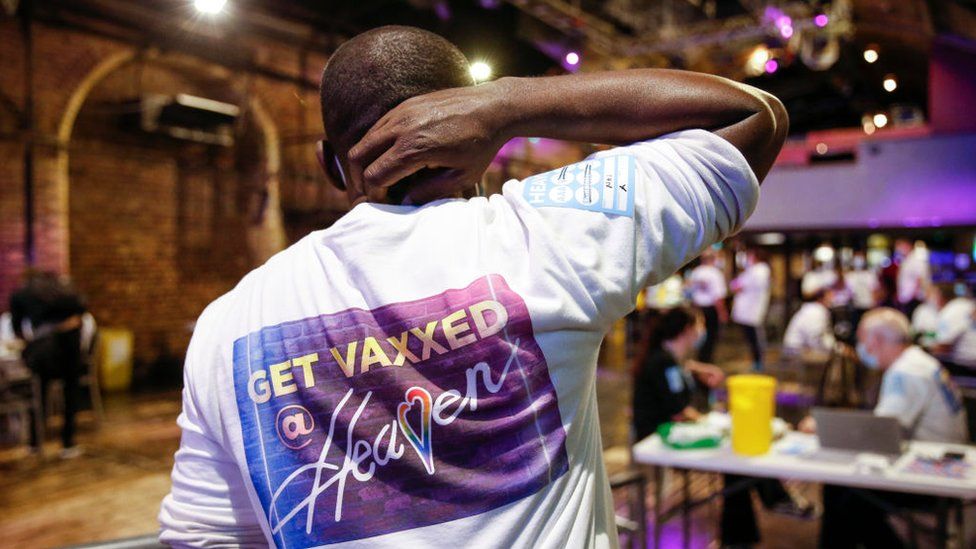
    Vaccination centreimage sourceGetty Images
    image captionVaccines have transformed Covid by dramatically reducing the chances of becoming severely ill.

    Where does this leave the balance between more vaccine and virus?

    There is clear evidence that adults who have not had any vaccine dose will have stronger immune defences if they do get vaccinated, even if they have caught Covid before.

    But there are two big questions:

    • do vaccinated adults need to be boosted, or is exposure to the virus enough?
    • do children need vaccinating at all, or does a lifetime of encountering build a good immune defence?

    The idea of regularly topping up immunity throughout life is not radical in other infections, such as RSV (respiratory syncytial virus) or the four other coronaviruses that infect people and cause common cold symptoms.

    Each time you're exposed, the immune system gets a little bit stronger, and this continues until old age, when the immune system starts to fail and the infections become a problem again.

    "This isn't proven, but it could be a lot cheaper and simpler to let that happen than spend the whole time immunising people," said Prof Finn, who warns we could end up "locked into a cycle of boosting" without seeing if it was necessary.

    However, he said the argument in children had "already been won" as "40-50% have already been infected and most weren't ill or particularly ill".

    There are counter-arguments. Prof Riley points to long-Covid in children, and Prof Openshaw to nervousness around the long-term effects of a virus that can affect many of the body's organs.

    But Prof Riley said there was potential in using vaccines to "take the edge off" Covid, followed by infection, to broaden the immune response.

    She said: "We really need to consider, are we just frightening people rather than giving them the confidence to get on with their lives? We're close to just worrying people now."

    Of course, with cases continuing to rumble on, there may not be much choice.

    "I'm wondering whether it's inevitable," said Prof Klenerman, as if the virus continues to spread then "there will be this ongoing boosting effect".

    Follow James on Twitter

Sunday, 2 August 2020

How Cheese, Wheat and Alcohol Shaped Human Evolution

Diet

Over time, diet causes dramatic changes to our anatomy, immune systems, and maybe even skin color.

Smithsonian Magazine


You aren’t what you eat, exactly. But over many generations, what we eat does shape our evolutionary path. “Diet,” says anthropologist John Hawks, of the University of Wisconsin-Madison, “has been a fundamental story throughout our evolutionary history. Over the last million years there have been changes in human anatomy, teeth and the skull, that we think are probably related to changes in diet.”

As our evolution continues, the crucial role of diet hasn’t gone away. Genetic studies show that humans are still evolving, with evidence of natural selection pressures on genes impacting everything from Alzheimer's disease to skin color to menstruation age. And what we eat today will influence the direction we will take tomorrow.

Got Milk?

When mammals are young, they produce an enzyme called lactase to help digest the sugary lactose found in their mothers’ milk. But once most mammals come of age, milk disappears from the menu. That means enzymes to digest it are no longer needed, so adult mammals typically stop producing them. 

Thanks to recent evolution, however, some humans defy this trend.
Around two-thirds of adult humans are lactose intolerant or have reduced lactose tolerance after infancy. But tolerance varies dramatically depending on geography. Among some East Asian communities, intolerance can reach 90 percent; people of West African, Arab, Greek, Jewish and Italian descent are also especially prone to lactose intolerance. 

Northern Europeans, on the other hand, seem to love their lactose—95 percent of them are tolerant, meaning they continue to produce lactase as adults. And those numbers are increasing. “In at least different five cases, populations have tweaked the gene responsible for digesting that sugar so that it remains active in adults,” Hawks says, noting it is most common among peoples in Europe, the Middle East and East Africa. 

Ancient DNA shows how recent this adult lactose tolerance is, in evolutionary terms. Twenty-thousand years ago, it was non-existent. As of 2018, about one-third of all adults have tolerance.
That lightning-fast evolutionary change suggests that direct milk consumption must have provided a serious survival advantage over peoples who had to ferment dairy into yogurt or cheese. During fermentation, bacteria break down milk sugars including lactase, turning them into acids and easing digestion for those with lactose intolerance. Gone with those sugars, however, is a good chunk of the food's caloric content.
Hawks explains why being able to digest milk would have been such a boon in the past: “You're in a nutrition limited environment, except you have cattle, or sheep, or goats, or camels, and that gives you access to a high energy food that infants can digest but adults can't,” he says. “What it does is allow people to get 30 percent more calories out of milk, and you don't have the digestive issues that come from milk consumption.”

A recent genetic study found that adult lactose tolerance was less common in Roman Britain than today, meaning its evolution has continued throughout Europe's recorded history. 

These days, many humans have access to plentiful alternative foods as well as lactose-free milk or lactase pills that help them digest regular dairy. In other words, we can circumvent some impacts of natural selection. That means traits like lactose tolerance might not have the same direct impacts on survival or reproduction that they once did—at least in some parts of the world. 

“As far as we know, it makes no difference to your survival and reproduction in Sweden if you can digest milk or not. If you're eating out of a supermarket (your dairy tolerance doesn’t affect your survival). But it still makes a difference in East Africa,” Hawks says.

Wheat, Starch and Alcohol

These days, it isn’t uncommon to find an entire grocery store aisle devoted to gluten-free cookies, bread and crackers. Yet trouble digesting gluten—the main protein found in wheat—is another relatively recent snag in human evolution. Humans didn't start storing and eating grains regularly until around 20,000 years ago, and wheat domestication didn't begin in earnest until about 10,000 years ago.

Since wheat and rye became a staple of human diets, however, we've have had a relatively high frequency of celiac disease. “You look at this and say how did it happen?” asks Hawks. “That's something that natural selection shouldn't have done.” 

The answer lies in our immune response. A system of genes known as the human leukocyte antigens take part in the fight against disease, and frequently produce new variations to battle ever-changing infections. Unfortunately, for individuals with celiac disease, this system mistakes the human digestive system for a disease and attacks the lining of the gut. 

Yet despite the obvious drawbacks of celiac disease, ongoing evolution doesn't seem to be making it less frequent. The genetic variants behind celiac disease seem to be just as common now as they've been since humans began eating wheat. 

“This is a case where a selection that is probably about disease and parasites has a side effect that produces celiac disease in a small fraction of people. That's a trade-off that recent evolution has left us and it wasn't an adaptation to diet—it was an adaptation in spite of diet,” Hawks says. Unintended trade-offs are common in evolution. For example, the genetic mutation to red blood cells that helps humans survive malaria can also produce the deadly sickle cell disease.
Other examples of our continuing evolution through diet are intriguing but uncertain. For instance, Amylase is an enzyme that helps saliva digest starch. Historically, agricultural peoples from West Eurasia and Mesoamerica have more copies of the associated gene. Were they selected to digest starches better? “That makes a compelling story and it may be true. But biology is complicated and it's not totally clear what's at work or how important it is,” Hawks says. 

More than one-third of East Asians—Japanese, Chinese and Koreans—have a flushing reaction when they metabolize alcohol, because the process creates an excess of toxic acetaldehyde enzymes. There's strong genetic evidence that this was selected recently, during the last 20,000 years, Hawks notes. 

Because its appearance in the genome may roughly coincide with rice domestication 10,000 years ago, some researchers suggest that it stopped people from over indulging in rice wine. The timelines aren't precisely determined, however, for either the mutation or rice domestication. It has also been suggested that acetaldehyde offered protection from parasites that were unable to stomach the toxin.
“It mattered in some way, to past populations, because it wasn't common and now it is,” says Hawks. “It's a big change, but we really don't know why.”

More Important Than We Think?

Even the color of human skin may be shifting, at least in part, as a response to diet (other factors, studies suggest, include sexual selection). The current diversity of human skin colors is a relatively recent development. The standard hypothesis focuses on the prevalence of UV rays at equatorial latitudes. Our bodies need vitamin D, so our skin produces it when soaked by UV rays. But too much UV can have detrimental effects, and darker skin pigments are more effective at blocking them.
As humans moved into darker, colder latitudes, the idea goes, their skin no longer needed protection from too much UV and lightened so that it could produce more beneficial vitamin D with less sunlight.

But DNA studies comparing modern Ukrainians with their prehistoric ancestors show that European skin color has been changing over the past 5,000 years. To explain this, another theory suggests that skin pigmentation could have been under the influence of diet, when early farmers suffered from a lack of vitamin D their hunter-gatherer ancestors once got from fish and animal foods.
Nina Jablonski, a skin color researcher at Penn State University, told Science that new research “provides evidence that loss of regular dietary vitamin D as a result of the transition to a more strongly agricultural lifestyle may have triggered” the evolution of lighter skin.
It's difficult to see evolution in action. But new technologies like genome sequencing—and the computing power to crunch massive piles of data—are making it possible to spot tiny genetic tweaks that can add up over many generations to real evolutionary shifts. Increasingly, databases of genetic information are also paired with information like medical histories and environmental factors like diet, which may allow scientists to observe the ways they interact.
Hakhamanesh Mostafavi, an evolutionary biologist at Columbia University, authored one such genome study that analyzed DNA from 215,000 people to try to see how we continue to evolve over the span of just a generation or two. “Obviously our diet is radically changing today, so who knows what evolutionary effect that may have,” Mostafavi says. “It may not necessarily have a direct selection effect but it may interact with genes that control a trait.”
Mostafavi's genetic research also revealed that some variants that actually shorten human life, like one that prompts smokers to increase their consumption above smoking norms, are still being actively selected against.
“We see a direct effect of that gene on the survival of humans today,” he explains. “And potentially you can imagine that diet might have the same kind of effect. We have so many recent dietary changes, like fast food for one example, and we just don't know yet what effects they may or may not have.”
Fortunately, thanks to the work of scientists like Mostafavi and Hawks, it might not take 20,000 years to find out.
Brian Handwerk is a freelance writer based in Amherst, New Hampshire.


Friday, 27 March 2020

Learning from the Recovered

Learning from the Recovered:

 Researchers at Harvard Medical School and at Brigham and Women’s Hospital are adapting an antibody-detection tool to study the aftermath of infections by the novel coronavirus that is causing the current global pandemic.


The tool, called VirScan, detects antibodies in people's blood that indicate active and past infections by viruses and bacteria. It was developed in 2015 by Stephen Elledge, the Gregor Mendel Professor of Genetics and of Medicine at HMS and Brigham and Women’s, and two PhD candidates in the lab, George Xu and Tomasz Kula.
Because it takes 5 to 10 days for a person to develop antibodies, Elledge emphasized that VirScan would not be used to provide real-time diagnoses of infection with SARS-CoV-2, the virus that causes COVID-19.
Rather, the goal is to analyze blood samples from people who recover from infection to learn about how the virus affects the immune system and the epidemiology of the disease.
Once underway, the effort will join others around the world attempting to study post-infection blood samples. The results could lead to better estimates of true infection and lethality rates by capturing cases that may have gone undetected and could inform the development of vaccines. They could also reveal new insights into the fundamentals of human immunity.
"The situation right now is extremely difficult, but it's great to be in a position to apply all these new methods to an important human health problem," said Elledge.
How does VirScan work? How is it different from diagnostic tests?
From a single drop of blood, VirScan tests for antibodies against more than 1,000 different strains of viruses and bacteria that may have infected a person, whether around the time of testing or decades earlier. This differs from typical blood tests known as ELISA assays, which look for one pathogen at a time.
It also differs from the tests currently used to diagnose COVID-19. Those tests rely on mucus swabs from the nose and throat and look for nucleic acids that signal that the SARS-CoV-2 virus is contained in the sample.
"The CDC and other testing facilities are looking for the presence of the virus, which is critical," said Elledge. "Our assay can detect whether someone's immune system has engaged the virus. We can tell when someone has harbored the virus but doesn't have it anymore."
To create VirScan, Elledge, Kula and Xu built a library of epitopes: short protein fragments derived from the surfaces of viruses. If a person has encountered a particular viral strain, their immune system has generated antibodies against it. Those antibodies will then recognize the epitope in the VirScan library and bind to it, giving a positive result.
Elledge's lab included epitopes from several different coronaviruses in the original VirScan collection. The team is now adding epitopes from the new coronavirus as well as all other known coronaviruses not already included.
Can VirScan be used to test whether people currently have COVID-19?
For several reasons, including the fact that it takes at least a week to generate results, VirScan can't be used as a real-time diagnostic test.
"It's not feasible as a point-of-care test," said Elledge. However, he added that his team might be able to use the information gained to generate a faster version of VirScan.
When the project gets up and running, it will be critical to ensure that blood samples are taken only from people who have recovered fully from SARS-CoV-2 infections, so that vials do not contain active coronavirus particles when they enter the lab.
"We don't want to infect our researchers," said Elledge.
How can the work improve estimates of infection and fatality rates?
So far, limited testing has meant that an unknown number of people in the U.S. and beyond have been infected with SARS-CoV-2 but remain uncounted. Some may not have had symptoms. Some symptoms may have been attributed to other causes. This not only leaves individuals wondering about their infection and immunity status but also obscures the true infection rate across the population. And without knowing how many people have been infected, it's impossible to calculate the fatality rate—how likely the new coronavirus is to kill a person it infects.
Running VirScan analyses on blood, or serum, from a sizeable segment of the population can provide "a reliable estimate" of how many people were infected in a given geographic area, said Elledge. Cross-referenced with medical records of those who tested positive and died, that information can illuminate the virus's true lethality rate.
"Because right now they say, 'this many people came in and tested positive,' and 'this many died,' but if there are a lot of people who are not sick enough to go to the hospital and who don't get tested, it makes the virus look more lethal than it might be," said Elledge.
How can VirScan inform vaccine development?
VirScan promises to help Elledge and colleagues identify which parts of the virus the immune system responds to.
Recent work from his group suggests that people all over world infected with a particular virus make antibodies against the same proteins—"even the same amino acids"—on that virus, Elledge said.
That's surprising, considering how many epitopes viruses have and how many antibodies are in the body's arsenal, said Elledge. The findings led him to suspect that some epitopes are, in effect, decoys, and therefore, that not all antibodies have the desired neutralizing effect.
"The immune system may be sending out all these antibodies like shooting a shotgun and hoping some of the spray will hit the target, neutralizing some critical part of the virus," he said.
In principle, said Elledge, VirScan could indicate which epitopes are useful targets against the  new coronavirus and which are just noise. Then researchers could eliminate the useless ones from vaccines they're developing.
How else is the lab working to assist vaccine efforts?
Antibodies aren't the only objects in the body that attack invaders. Immune cells called T cells also react to specific epitopes—not on viruses, but on the surfaces of infected cells. Alerted to danger by these epitopes, T cells can kill virus-infected cells and limit the number of viruses made in the body.
In 2005, Elledge's lab built a tool, T-Scan, that can detect these epitopes. He would now like to teach T-Scan to detect the epitopes made when cells are infected by the new coronavirus. But since cells infected by different viruses and bacteria sprout different epitopes, he first needs to know what the epitopes look like for infections with this coronavirus. That would require obtaining not only blood but also T cells from people who recover from SARS-CoV-2 infection, he said.
The goal: to identify the epitopes that trigger T-cell attacks so researchers laboring to develop COVID-19 vaccines can include them in the mix.
"T-cell epitopes are often important players in vaccines and in preventing viral infections," said Elledge. "You want to encourage T cells to kill the infected cells."
How can VirScan illuminate what SARS-CoV-2 does to the immune system?
Last year, the team used VirScan to help reveal how measles infection wipes out the immune system's memory of past infections by other viruses and bacteria. VirScan could similarly illuminate whether people develop immunity to the new coronavirus, how long they remain immune and whether infection causes more widespread damage to the immune system like measles does.
Or the virus may have other surprises in store, said Elledge.
What about the likelihood that there are different strains of the new coronavirus?
Although many mutations in the virus have been documented around the world to date, these variations "wouldn't affect antibodies much," so VirScan's results should still apply, said Elledge.
Whose samples would be analyzed?
For the initial study, Elledge envisions collecting samples from about 100 volunteers who've recovered from COVID-19. The best-case scenario would be having samples from people before and after infection, he said, although he recognizes that that would be hard to arrange.
"Many people in the lab have given samples in the past, so if anyone gets sick, we'll have a before and after, but of course we hope that doesn't happen," he said.
When will all of this be ready?
Most HMS labs have transitioned to remote work following institutional guidance aimed at containing the spread of the virus, but some have been granted permission to continue on-site work for COVID-19-related projects, including a portion of Elledge's lab.
Elledge anticipates that VirScan could be deployed to analyze samples in mid-April. Then it would be a matter of obtaining institutional review board approvals for human research and arranging the logistics of collecting the samples. Elledge is currently in talks with contacts across the HMS and broader Boston communities.
What else is in the works?
At the same time, Elledge's team is working to detect antibodies against the new coronavirus with even greater sensitivity using a tool they developed in 2014 called PLATO. Whereas VirScan uses short, linear protein fragments, PLATO uses full-length proteins known as open reading frames, or ORFs, which have a more developed 3D structure. (PLATO stands for ParalleL Analysis of Translated ORFs.)
Who is funding this work?
Elledge is an investigator of the Howard Hughes Medical Institute.
MEDIA CONTACT
AddThis Sharing Buttons
PrintShare to LinkedInLinkedInShare to More

Medical News

227812_web.jpg

Monday, 23 March 2020

Facts (and Myths) About Boosting Your Immune System

Boosting Resistance


As the new coronavirus continues to spread across the country, having an optimally functioning immune system is more important than ever.

Medical professionals say it is important not to rush to buy supplements and vitamins that promise to enhance your immune system; there isn’t much evidence that such products do any good. Instead, they say, stick with the more mundane, but proven, approaches:

• Keep your stress levels down. It’s a bit of a vicious cycle, of course: The more you stress about the virus, the more likely you are to suffer from it. “Stress can certainly hurt your immune system,” says Morgan Katz, an assistant professor of infectious diseases at Johns Hopkins University. “Do not panic, try to minimize stress.”

Andrew Diamond, chief medical officer of One Medical, a nationwide network of primary-care providers, says the stress hormone cortisol turns off cells in your immune system. He recommends engaging in activities that people find relaxing, such as meditation.

• Exercise. Low- and moderate-intensity exercise naturally lowers cortisol levels and helps with immune-system function, says Dr. Diamond. One Medical recommends 30 to 60 minutes of exercise a day. If you’re apprehensive about germs in the gym, walk or run outside.

But it is important not to go overboard. A recent study found high-performance athletes have an increased risk of infection, says Elizabeth Bradley, medical director of the Cleveland Clinic’s Center for Functional Medicine. “Exercise helps boost the immune system, but we have to be careful not to overexercise because it can weaken your immune system,” she says.

• Get adequate sleep. For adults, that means getting seven to eight hours of sleep a night. Children should get more, depending on their age.

• Make sure your vaccines are up-to-date, especially the flu vaccine.
• Eat plenty of plain yogurt every day. “It’s really an easy way to boost your probiotics and help support your microbiome,” Dr. Katz says. “It helps to support the good bacteria that live in your body, which help to fight bad bacteria or viruses.”

Dr. Katz also suggests avoiding antibiotics unless you must take them because they deplete the good bacteria in the system, leaving you more vulnerable to other infections.
Other foods that can help support the microbiome include garlic, onion, ginger, sauerkraut and fermented foods, says Dr. Bradley.

It's crucial to stay healthy as the threat of coronavirus spreads. Here are the best strategies.

Wednesday, 25 September 2019

2019 Vaccine Awareness Week Update

Vaccine Awareness


 Analysis by Dr. Joseph Mercola

Story at-a-glance

  • More than 500 vaccine-related bills were introduced in U.S. state legislatures in 2019, many of which proposed to restrict or eliminate vaccine exemptions
  • Only 2% of children attend public or private schools with vaccine exemptions for any reason — medical, religious, philosophical or conscience — in the U.S.
  • Fear mongering about measles outbreaks in the U.S. and around the world resulted in the forced vaccination lobby persuading legislators to eliminate the religious and conscience exemption in Maine and the religious exemption in New York.
  • In Washington state, the conscience exemption for measles, mumps, rubella (MMR) vaccine was eliminated.
  • In California, the legal right of private doctors to grant a medical exemption to vaccination was essentially eliminated.
  • Harmful vaccine bills restricting or eliminating vaccine choice were stopped in Alabama, Arizona, Colorado, Connecticut, Iowa, Illinois, Minnesota, Missouri, Vermont, Washington, Oregon and Texas, thanks to thousands of people participating in the vaccine lawmaking process, who personally contacted their state legislators and showed up for public hearings to defend their informed consent rights
  • The online NVIC Advocacy Portal was a major catalyst for that success. Registration is free, and puts you in direct electronic contact with your own state and federal legislators. You also receive action alerts with talking points via email when vaccine bills are moving in your state or in Congress so you can take action. Sign up today and consider making a donation to support NVIC’s important work to prevent vaccine injuries and deaths and protect your informed consent rights
Barbara Loe Fisher, cofounder and president of the National Vaccine Information Center (NVIC), a nonprofit educational charity, has been a tireless human rights advocate for vaccine safety and informed consent for over 35 years.
In this interview, we discuss measles outbreaks and how the ever-intensifying pressure by the forced vaccination lobby in 2019 to eliminate vaccine exemptions, not only in California but in many other states as well, is affecting the public conversation about vaccination and informed consent rights.

"It's been an unprecedented year in this country," she says. "The assault on vaccine exemptions has covered the whole country. The NVIC has monitored more than 500 vaccine-related bills that have been introduced in the states this year.
We have actively reported on and issued action alerts, in many cases, on more than 200 vaccine-related bills. What has happened this year as a result of the World Health Organization declaring that vaccine hesitancy is one of the top 10 global threats to health in this world, [it] was immediately followed by — and I don't think coincidentally — reports of outbreaks of measles, just like in 2015."

Fear Mongering Eliminated Personal Belief Exemptions

As Fisher notes, it was déjà vu all over again. In 2015, there was an outbreak of measles at Disneyland in California. The same thing that happened in 2015 happened again this year.
After the World Health Organization (WHO) declared "vaccine hesitancy" as one of the top 10 global threats to public health in January 2019,1 there were highly publicized reports of measles outbreaks in Washington, California and New York and children attending school with vaccine exemptions became the scapegoats.2
Just like in 2015, in 2019 the fear mongering about measles outbreaks was turned into a national media campaign to blame parents whose children were attending day care and school with vaccine exemptions, despite the fact that nationally only 2% of children in the U.S. attend public or private schools with vaccine exemptions for any reason — medical, religious, philosophical or conscience.3
In 2015, the same kind of exaggerated media hype stampeded the California legislature into removing the personal belief vaccine exemption, which included religious and philosophical beliefs.4
This year, the fear mongering resulted in the elimination of the religious and conscience exemption in Maine and the religious belief exemption in New York.5 In Washington state, the conscience exemption for measles, mumps, rubella (MMR) vaccine was eliminated.
In California, the legislature passed a bill that essentially eliminates the medical exemption by legally prohibiting doctors from granting a child a medical exemption unless it strictly conforms to narrow vaccine contraindications approved by the CDC Advisory Committee on Immunization Practices (ACIP). 

Widespread Assault on Informed Consent to Vaccination Rights

So far in 2019, 18 states have proposed to eliminate or restrict vaccine exemptions, but only Maine and New York actually went through with it, and Washington state only restricted the conscience exemption for MMR vaccine, leaving the religious, conscience and medical exemptions in place for all other vaccines mandated for school attendance.
The good news is that vaccine exemptions were successfully protected in 15 other states where bills have been introduced to restrict or remove vaccine exemptions.
"Parents and enlightened health care professionals stood up this year, contacted their legislators [like] we have asked them to do for 10 years now, and showed up by the thousands at public hearings on these bills.
We were able to stop bad bills in Alabama, Arizona, Colorado, Connecticut, Iowa, Illinois, Minnesota, Missouri, Vermont, Washington, Oregon and Texas. We were able to hold the line on some of these vaccine bills, especially to take away exemptions," Fisher says.
The NVIC Advocacy Portal — an online communications and advocacy network created 10 years ago — was a major catalyst for that success.6 Registration is free, and puts you in direct electronic contact with your own state and federal legislators.
You also receive action alerts with talking points via email when bills are moving in your state so you can take action to support good vaccine bills that protect your right to make voluntary vaccine decisions for yourself and your children, or to oppose bills that take that right away from you.

How to Stay in the Know

"What we've done is made it easy for you to become a vaccine choice activist," Fisher says. And, the strategy is clearly working. So, if you've not yet signed up, please take a moment to register to be a user of the NVIC Advocacy Portal today.
"We encourage everyone to sign up because what is happening in this country is, like I said, unprecedented," Fisher says. "It's going to be worse next year. There are three states — New Jersey, Pennsylvania and Wisconsin — that still have bills pending to take away vaccine exemptions.
Already, two states — Florida and Massachusetts — have prefiled bills for 2020 to take away religious exemptions. Florida [also wants to] restrict the medical exemption to only CDC contraindications. They're going to create a medical board that's going to review all medical exemptions.
We're predicting that Colorado, Michigan, New Jersey, Ohio, Oregon and Wisconsin are going to be particularly vulnerable in 2020. There are bills pending in D.C. and New Jersey [and] we expect more to be introduced next year that will allow minor children to give consent to vaccination without their parents' knowledge or consent.
The pattern we're seeing is that there is a move in this country to eliminate all vaccine exemptions, effectively, because the medical [exemption] has become so restrictive, it's almost a nonexemption …
Signing up for the NVIC Advocacy Portal really empowers you to be part of the process in protecting your informed consent rights when it comes to vaccination."

Vaccinated Can Still Get Infected With, Transmit Disease

The main reason mandatory vaccination proponents give for removing all personal belief exemptions and severely restricting the medical vaccine exemption is that unvaccinated children (and adults) pose a threat to herd immunity, also described by public health officials as "community immunity."
The concept of herd immunity is based on the idea that if a large enough percentage of individuals in a population are immune to being infected with and transmitting a viral or bacterial disease, they serve as a barrier to protect individuals who are not immune.
The theory of vaccine-acquired herd immunity maintains that if a certain percentage of individuals in a population are vaccinated, a viral or bacterial disease will not be transmitted in the population and make vaccinated or unvaccinated people sick.
Estimates made by public health officials for how high the vaccination rate must be in a population in order to prevent infection and transmission of measles, mumps, pertussis or other diseases varies, depending upon the microbe causing the disease.
For measles virus, current estimates range from 93% to 95%.7 Nationally, more than 94% of school children in the U.S. have received two doses of MMR vaccine and, in some states, the MMR vaccination rate is over 98%,8 yet measles outbreaks still occur. According to the vaccine-acquired herd immunity theory, this should not happen. As noted by Fisher:
"One of the biggest myths out there is that when you get vaccinated, you are guaranteed to not get the disease for which you've been vaccinated against. What people don't understand is you can get vaccinated and be infected subclinically. That means you have no symptoms or very few symptoms.9,10,11
But you can still transmit that infection to other people. When you have subclinical infections or atypically presenting infections in vaccinated people, those people are not being diagnosed and reported.
Who is being diagnosed and reported? The people who are fully expressing the symptoms. Many times, those are unvaccinated people. They're fully expressing, where the vaccinated are atypically or subclinically presenting. They're never diagnosed and reported.12
So, it looks as if all of the disease is occurring in unvaccinated people. It's not. With pertussis, the medical literature is clear that both the whole-cell DPT vaccine and acellular vaccine do not always block infection. You have subclinical infections and transmissions.13,14
The same with measles vaccine, mumps vaccine and influenza vaccine … 15,16,17 What's happening is people think that only unvaccinated people are actually spreading disease, when that is not true."
What's more, measles outbreaks occurred not just in the U.S. this year, but around the world.18 Unfortunately, there's no data showing the prevalence of how many vaccinated people are being asymptomatically infected with and transmitting the wild-type measles virus in the U.S. or other countries.19,20 If such surveillance is in fact being done, health authorities are not talking about it.
"There's no public acknowledgment that they're doing it. I'd like them to answer the question, 'How many people in this country are getting subclinically infected and are transmitting after being vaccinated?' That's a big question that should be answered," Fisher says.

Can You Trust the Vaccine Rule Makers?

Certainly, the technology exists to provide an answer to that question. But chances are the answer likely would conflict with current national vaccine policy and the endgame of maximizing vaccine manufacturers' profits by aggressively promoting a 100% vaccination rate with all government recommended vaccines, so it's not a priority.
This is part and parcel of the problem, as many of the most basic questions about vaccine safety and effectiveness simply are not addressed with high quality scientific research and data collection.
"There needs to be more transparency with regard to a lot of things with vaccine science policy and law," Fisher says. "There is not enough transparency on the part of the government, which develops vaccines in partnership with the drug companies, that licenses vaccines and that makes national policy for vaccines.
As I mentioned, they're trying to codify into state law the recommendations by the Advisory Committee on Immunization Practices (ACIP) at the CDC.21 That's an appointed body by the CDC.22
They're trying to make that body a de facto lawmaking body in this country. They're unelected people who were appointed by the CDC. Why should a handful of people be allowed to effectively be lawmakers?"
What's more, individuals appointed to federal vaccine advisory committees can be given conflict of interest waivers.
So, sitting on these vaccine policymaking committees there are individuals who may have gotten grants from the CDC or another federal agency involved in vaccine development, regulation, policymaking or promotion, or may have financial relationships with drug companies selling vaccines, like being paid to conduct clinical trials, and they are voting on whether a new vaccine should be licensed or recommended for universal use by everyone.23
"A lot of people who are considered vaccine experts definitely have financial relationships with the government, in terms of government grants and also the manufacturers for testing or running clinical trials or otherwise being involved with the vaccine manufacturers.
These public-private partnerships between the federal health agencies and the pharmaceutical companies that have been allowed by Congress to develop over the last 30 years are very problematic.24
Because if you have a business partnership with someone and you're supposed to be regulating that industry, like the FDA is supposed to be regulating these companies, how are you going to regulate your business partner? You're not."

Freedom of Choice Does Not Infringe on Pro-Vaccine Beliefs

The massive collusion between the pharmaceutical industry and federal regulatory agencies that are supposed to monitor and regulate them is really at the core of the problem, as these unholy alliances end up putting profits before safety.
There is a revolving door between people who work for U.S. federal health agencies and then go to work for the pharmaceutical industry and the other way around.25,26 This means that Big Pharma, which over the past decade has spent $2.5 billion lobbying the federal government, is having a tremendous influence on vaccine regulation, policymaking and law.27
In recent times, we've seen vicious public attacks against anyone who questions vaccine safety, policy and law, or vaccine science. There have been extreme calls for public shaming, identification, criminal prosecution, quarantine and imprisonment, and demonization of those criticizing vaccine safety and refusing to get government recommended vaccines.
A doctor developing vaccines who lobbies for "no exceptions" forced vaccination laws has referred to parents of vaccine injured children as a "hate group," and one prominent newspaper suggested vaccine critics should be physically harmed.28,29,30,31
Most providers of vaccine information on the internet are also now being censored by Google, effectively preventing people from finding what could be life-saving information.32
As a result of that suppression, it's incumbent upon you, if you know the truth, to protect the future of our country by fighting for freedom of choice and freedom of information gathering. As noted by Fisher:
"These attacks on freedom of speech, the right to dissent, the right to criticize government and ask them to do a better job in protecting the public's health is symptomatic of the close financial partnerships between the pharmaceutical industry, the government and the medical trade …
I think even people — especially people who want to use vaccines — who want to follow the CDC's vaccine schedule need to understand that the work we're doing is actually helping to protect them as well, because what we're advocating for is proper licensing standards at the FDA and wise vaccine policy-making at the CDC.
We defend your right to be able to make vaccine choices and use a few vaccines, all the vaccines or no vaccines. It's your right and responsibility to make that decision. If your freedom is taken away from you and you can't make that decision anymore, what you need to understand is that there are many more vaccines coming."33

The Lies Spun About Measles

Fisher has written an excellent and in-depth commentary on the history of measles, "What's Going on With Measles? The Science and Politics of Eradicating Measles," published May 25, 2019.34 If you're worried about measles, it's highly recommended reading. Fisher explains:
"I grew up in the '50s and '60s. I had measles, mumps, rubella, chicken pox, and so did all of my friends and my family. There wasn't the fear of these childhood diseases that there is today … In the early 1960s, you had very influential, powerful public health officials and physicians in this country acknowledging that measles was really a moderate illness.
It did not cause widespread injury and death. They didn't just say it once. They said it multiple times, including before they decided to bring out the first measles vaccine. This is in the literature. It is contemporary descriptions in the '50s and '60s of what measles was like.
How did we go from that description to what we have today, which characterizes measles as one of the biggest threats to humanity? It's irresponsible. When public health officials and doctors don't tell the truth, people eventually find out [about it].
And then what happens? They lose trust in what doctors and public health officials say. Well, they should because they've been lied to. I know from personal experience. I came from a medical family. I trusted doctors and science. I believed what I was told. I didn't question vaccines. My son had a reaction to his fourth DPT shot. I was shocked that I hadn't been told the truth.
When I did this research on the history of measles and measles vaccine, I was blown away again by the fact that there was no transparency now about the real facts about this disease and the real facts about the risks associated with the vaccines, and also the effectiveness.
They knew from the very beginning, with the first killed and live virus measles vaccines, that the measles vaccines were not always blocking infection and that you could get atypical measles or have no symptoms and still transmit. They knew this …
They are only digging the hole deeper for people to not trust what they say. All along the way, they kept moving the goalpost in terms of how many people would have to be vaccinated in order for there to be herd immunity."

How Unvaccinated Individuals Strengthen Herd Immunity

Originally, the idea was to eliminate the measles virus entirely. Yet the concept of herd immunity has always involved a combination of temporary vaccine-acquired immunity and naturally acquired immunity.
When you're vaccinated, you can get asymptomatically boosted by coming in contact with the wild-type virus via people who are actively infected, and this is actually the best type of booster. But as noted by Fisher, we've chosen instead to manipulate the immune system of our children in an atypical way, through the administration of vaccines and vaccine booster shots, doing everything possible to prevent natural infection.
Can we honestly say that it has resulted in better public health? "I would argue it has not," Fisher says. By virtually eliminating the longer-lasting natural immunity offered by natural infection with wild-type measles virus, we now have a population that is more vulnerable to infection — not less. Fisher explains:
"What the medical literature shows is that baby boomers and the generation before us acquired natural immunity, which is qualitatively superior. It's longer lasting than vaccine-acquired immunity. We have been helping what looks like vaccine-acquired herd immunity.
We never were vaccinated, but we are contributing to the concept of what looks like vaccine-acquired herd immunity. When we die, you won't have that barrier anymore. They know that.35,36
Vaccine-acquired immunity is not the same as naturally acquired immunity. That has been the problem from the very beginning with the creation of these vaccines. They have never understood how to make vaccines mimic naturally acquired immunity exactly.37
I think the most shocking part, whenever I go into the medical literature, is understanding how much they do not know about the functioning of the immune system, about how infections confer immunity and how vaccines stimulate artificial immunity."38

Vaccine Makers Have No Liability

The vaccine industry is a significant profit center, making tens of billions of dollars each year — certainly enough incentive to continue the suppression of critics. But the real driver is the fact that in the U.S. today, vaccine makers have no financial liability for the harm caused by their products.
In any business, you have to balance financial threats and opportunities. In the case of vaccines, virtually all threats to the business have already been eliminated — with the exception of open public discussion about potential risks and failures of the product as well as the ability of the consumer to refuse to buy and use the product.
Financially, the federal government recommends and state governments mandate use of vaccines and, as of 2011 when the U.S. Supreme Court majority ruled that FDA licensed vaccines are "unavoidably unsafe," giant pharmaceutical companies marketing mandated vaccines in the U.S. have faced no risk whatsoever when their products cause injury or death.
"When the National Childhood Vaccine Injury Act of 1986 was passed … the companies still had liability," Fisher says. "They had liability for design defect, [meaning] failure to make a vaccine safer. Also, the doctors had liability in 1986. Companies and doctors could be liable in civil court.
People could also choose to go to the Vaccine Injury Compensation Program (VCIP) run by the federal government. We also got safety provisions in that law — the Vaccine Adverse Event Reporting System (VAERS) system, the vaccine information statements, the duty to write down vaccine names and manufacturers' names and lot numbers in the medical record.
There were a lot of things that happened in that law, not the least of which was government acknowledgment that vaccines can injure and kill. But what happened after that law was passed?
In 1987, the medical trade associations very quietly, without us knowing about it, got an amendment attached to a budget bill. At the end of 1987, they gave the doctors liability protection.
Then, over the succeeding decades, Congress looked the other way while federal agencies and rulemaking authorities gutted that law — gutted the compensation provisions, gutted the safety provisions — and Congress itself added amendments at the behest of the [vaccine] companies and the medical trade associations.39
This law that is in place today isn't recognizable to the law that we worked on in the 1980s. It's been a huge betrayal of the public trust. It's a lesson learned. It's very difficult to get justice or to get a fair law over the long term when you're dealing with politicians who get great sums of money from the pharmaceutical industry."40

Do You Agree Your Child Is Expendable for the Greater Good?

As noted by Fisher, protecting civil liberties, freedom of thought, speech, conscience and religious belief are foundational to the founding and government of the United States. These are fundamental human rights that we must protect.
"I do believe that if people will wake up and stop being apathetic and will get involved in the legislative process and elect people of integrity who will not be bought out, we can turn this around..." Fisher says.
"I think we can have a revolution, but have it be a renewal, a rebirth of this country by good people because I do believe that most people are good and that most people want to help other people; they don't want injustice or cruelty. They want compassionate laws, not like the kind we're seeing with vaccines, which are not compassionate.
The [vaccine] laws we're seeing are based on a utilitarian rationale, which is immoral … That is that some people can be sacrificed for the rest. That a minority of people can be sacrificed for the majority ... Once you decide some people are expendable, the question becomes, 'How many are expendable for the greater good?' …
When you devalue the health of the individual, you, by extension, eventually devalue public health. This is what is being lost. We all are valuable. All of our lives are valuable and to be respected and to be protected. Not just, what the government says, 'some people.'
I look at this whole issue of how we're all supposed to get vaccinated to protect the immunocompromised who are undergoing chemotherapy or recently have had an organ transplant. But what about the people who can't get through the process of vaccination without being injured or dying?
Why are their lives less important that the lives of people going through chemotherapy or having an organ transplant? This is why the narrowing of these vaccine exemptions and the elimination of the vaccine exemptions is so dangerous for people who can't get through the process of vaccination without being harmed. There are many more of those people than people realize."

Some Good News as We Move Forward

The once-open internet is now anything but, thanks to Google becoming an unassailable monopoly aligned with the drug and chemical industries, both of which are major revenue sources. As a result, educational platforms are being censored and eliminated. But there's hope.
I recently met with about 500 other individuals in San Diego for a gathering to discuss the future of the internet, and there's now a plan in place for the creation of an alternative platform for uncensored health information. Between us, we have connections with hundreds of thousands, maybe upwards of half a million to a million health care clinicians who are sensitive to the censorship issue.
They in turn have connections with thousands of patients in their practice. Together, I have no doubt we will be able to drive people to this new search engine. I'm quite certain it will spread like wildfire. This platform will be every bit as viable and every bit as known throughout the United States and the world as Google, Facebook, Amazon and Wikipedia.
People will know that if you want the truth about health — we're not going to focus on anything else — this is the place. Because conventional media, the internet through Google, Facebook, YouTube and all the rest are going to be under strict control.

Support NVIC Today!

Ten years ago, I listened to an audiotape of a vaccine conference where Barbara Loe Fisher was speaking. Her dedication and passion inspired me to get involved and to support the NVIC on an ongoing basis. As a Health Liberty partner, the issues facing NVIC are highlighted for an entire week each year, during which we ask for your support.
We hope you'll help us fight this tyranny because, clearly, the tip of the spear of the oppression of vaccine information is aimed at the NVIC and others who are trying to present the truth and are concerned about vaccine safety.
During this Vaccine Awareness Week, I will match your donation to the NVIC dollar for dollar, to help this invaluable organization receive the funds they need to continue this important public service work.

When I first reached out to her a decade ago, the organization was nearly at the point of having to shut down. Thanks to your combined support, the NVIC has been able to stay afloat all these years.
"That's true," Fisher says. "You made a very big difference at a critical point in our history. I will always be grateful to the many followers you have who have supported NVIC and our mission. It's made all the difference.
I know that a lot of people count on NVIC because we've been here for 37 years. We've never wavered in our message. Our message has always been about preventing vaccine injuries and deaths and defending informed consent, and I look forward to another 30 years of working with you."