Showing posts with label heart health. Show all posts

Wednesday, 10 October 2018

20 Foods That Can Help Unclog Your Arteries

Best Foods To Unclog Arteries

 We should all ensure that our arteries are clear of blockages by eating the right foods!
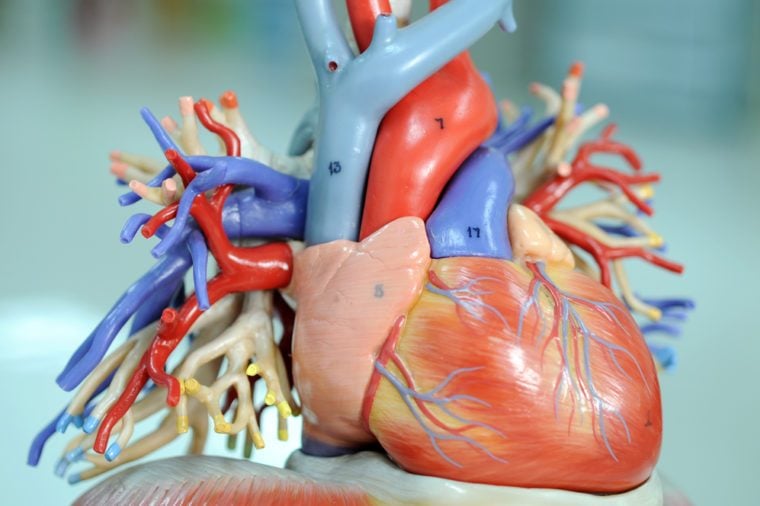

You’re never too young to start eating for your arteries—blockages can start early. Science shows that these foods could be your ticker’s best friend.

Keep your heart healthy

heart modelTinydevil/Shutterstock
The number one killer in the United States is heart disease: According to the CDC, 610,000 people die from it every year—that is about one out of every four deaths. The cause is clogged arteries, and things like calcium, plaque, and fatty acids can do the damage. “There is no one magic food that acts like Drano and cleans out the accumulated plaque,” says Florian Rader, MD, a cardiologist at the Smidt Heart Institute at Cedars-Sinai Medical Center in Los Angeles. “But good habits can help slow down that process, and maintaining a healthy weight and diet is one factor you can control to a great degree. And,” he says, “It’s never too late to start.”
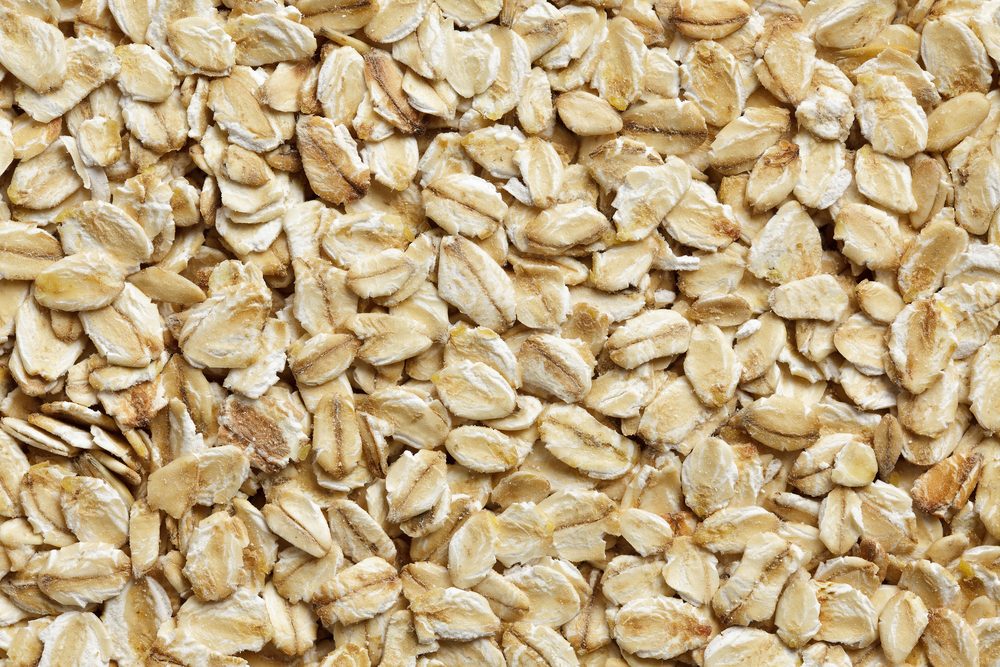
Oats

oatmeal backgroundJiri Hera/Shutterstock
It’s been more than 20 years since the FDA approved heart-healthy claims for these whole grains, and research keeps uncovering new benefits. The main one, says Bonnie Taub-Dix, RD, author of Read It Before You Eat It: Taking You from Label to Table, is their rich supply of soluble fiber, which has been shown to lower bad LDL cholesterol levels. Why that’s good for your arteries, according to Dr. Rader: “Cholesterol can seep into the inner layer of blood vessels and form plaque over time.” Since most Americans fall chronically short on fiber, the four grams per cup that oats deliver are a welcome addition.
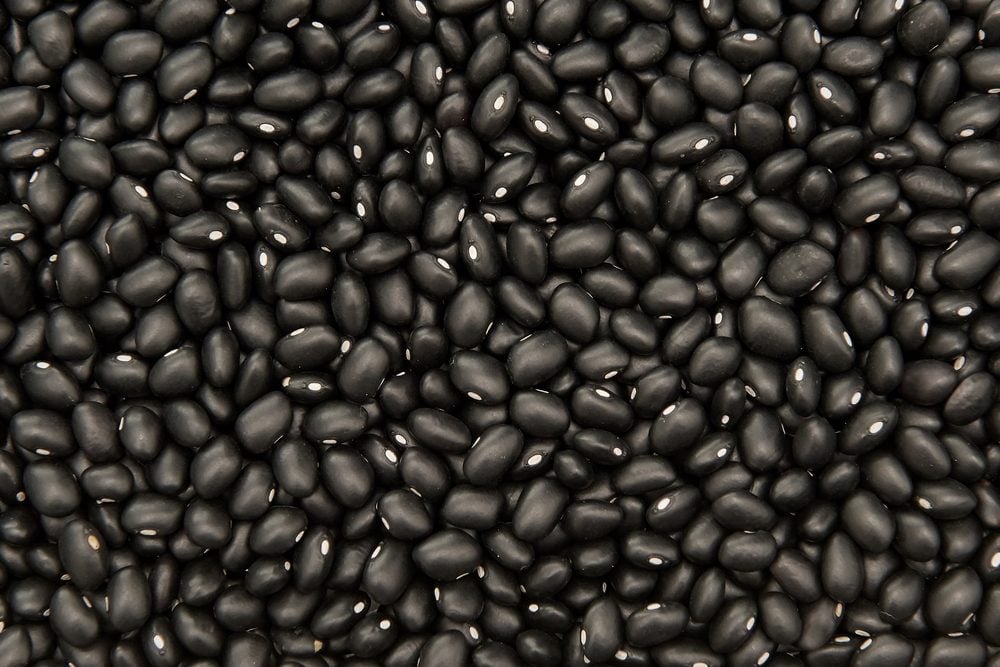
Beans

Closeup image of ecological black beans seen from aboveDennis Jacobsen/Shutterstock
In addition to being a great source of soluble fiber—black beans have three times as much of it per cup as oats—studies have found that bean-rich diets may help make arteries more elastic, contributing to lower blood pressure. Another perk: Antioxidants, which are especially abundant in colorful varieties such as black beans and red kidney beans, may fight the inflammation that contributes to heart disease. Check out these 10 heart-healthy meals cardiologists make for themselves.
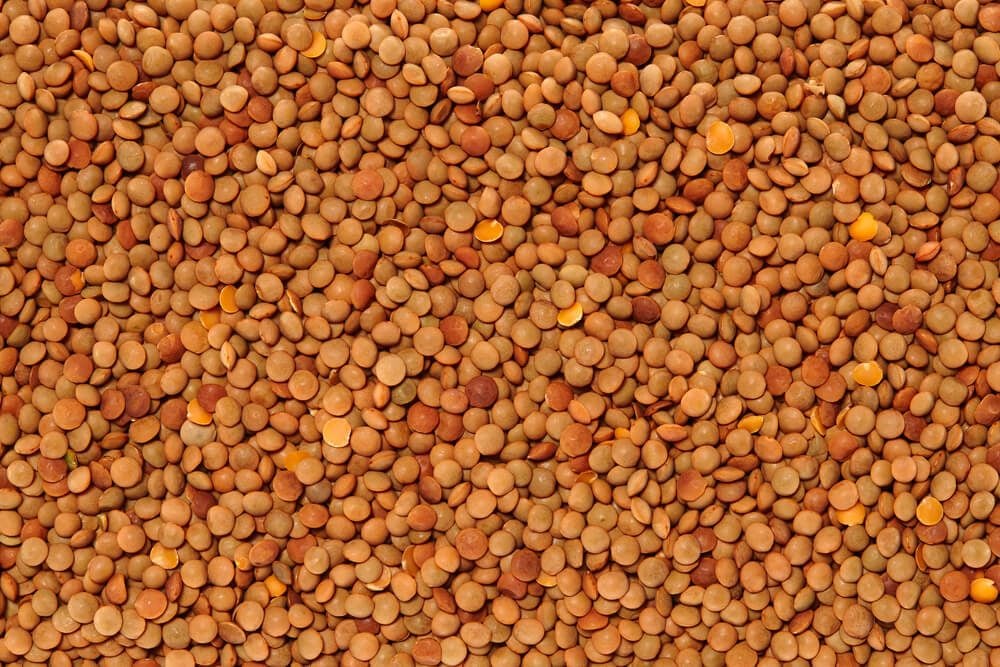
Lentils

Red Lentils Surface Texture Top View Close up. Pattern BackgroundGalapagosPhoto/Shutterstock
These protein-packed discs come from the same legume family as beans, which means that they pack many similar benefits. Preliminary research in rats found that lentils appear to reverse the damage to blood vessels caused by high blood pressure. Plus, lentils are at the top of the food spectrum for protein and fiber content, with very little fat, and contain calcium, potassium, and magnesium—all minerals that can help lower blood pressure. Find out the best and worst diets for heart health.
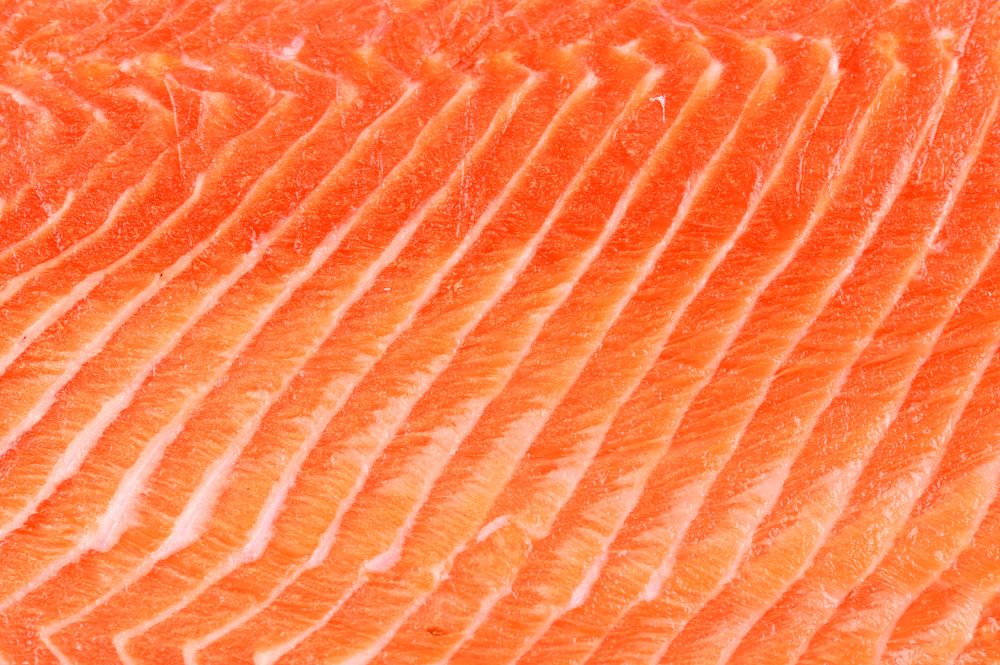
Fish

salmon fillet backgroundND700/Shutterstock
A lot of the research on omega-3 fatty acids focuses on brain health, but these potent anti-inflammatories have benefits for your ticker, too. Research links inflammation inside your body to a number of chronic diseases and conditions, including plaque buildup, says Dr. Rader. So there’s speculation that reducing inflammation might reduce plaque in your arteries. Eating fatty fish such as salmon and mackerel is one way to get your fill of omega-3s, so try to eat some at least twice a week, says Taub-Dix.
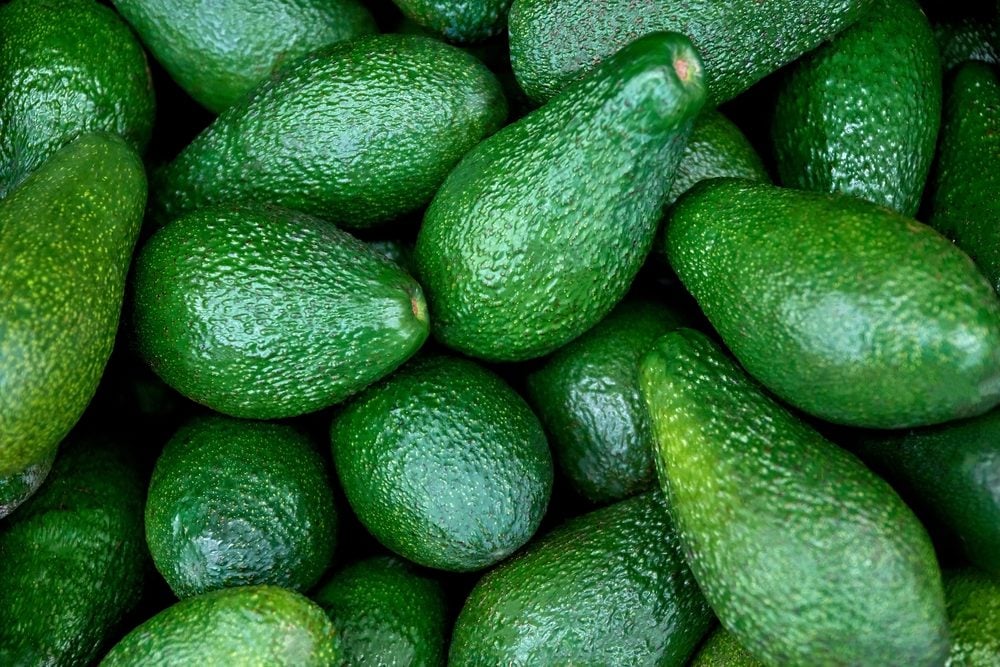
Avocados

fresh avocado on the market. avocados are very nutritious and contain a wide variety of nutrients. Aleksandr Gavrilychev/Shutterstock
Fat of any kind used to be at the top of the list of things that are bad for your heart. Not anymore: Research reveals that mono- and polyunsaturated fats, like those found in avocados, are heart healthy because they help lower bad LDL cholesterol and raise good HDL cholesterol, says Taub-Dix. These green fruits also contain a decent amount of fiber. Read more about the heart-healthy benefits of avocados.

Monday, 6 August 2018

7 Ways To Prevent and Even Reverse Heart Disease With Nutrition

Heart Disease

Important information to take note of!

Heart disease while still the #1 cause of mortality in the developed world, can be prevented and even reversed disease with nutrition, according to a growing body of scientific research.
Considering that heart disease is the #1 cause of death in the developed world, anything that can prevent cardiac mortality, or slow or even reverse the cardiovascular disease process, should be of great interest to the general public.
Sadly, millions of folks are unaware of the extensive body of biomedical literature that exists supporting the use of natural compounds for preventing and even reversing heart disease.
Instead, they spend billions buying highly toxic cholesterol-lowering pharmaceuticals with known cardiotoxicity, among 300 other proven side effects, simply because their doctor told them to do so.
So, with this in mind, let's look at the biomedical literature itself.

Three Natural Substances that Reduce the Risk of Heart-Related Death

  • Omega-3 Fatty Acids: There is a robust body of research indicating that the risk of sudden cardiac death is reduced when consuming higher levels of omega-3 fatty acids. Going all the way back to 2002, the New England Journal of Medicine published a study titled,  "Blood levels of long-chain n-3 fatty acids and the risk of sudden death," which found  "The n-3 fatty acids found in fish are strongly associated with a reduced risk of sudden death among men without evidence of prior cardiovascular disease." Another 2002 study, published in the journal Circulation, found that Omega-3 fatty acid supplementation reduces total mortality and sudden death in patients who have already had a heart attack.[i] For additional research, view our dataset on the topic of Omega-3 fatty acids and the reduction of cardiac mortality. It should be noted that the best-selling cholesterol drug class known as statins may actually reduce the effectiveness of omega-3 fats at protecting the heart. This has been offered as an explanation as to why newer research seems to show that consuming omega-3 fats does not lower the risk of cardiac mortality.
  • Vitamin D: Levels of this essential compound have been found to be directly associated with the risk of dying from all causes. Being in the lowest 25% percent of vitamin D levels is associated with a 26% increased rate of all-cause mortality.[ii]  It has been proposed that doubling global vitamin D levels could significantly reduce mortality.[iii] Research published in the journal Clinical Endocrinology in 2009 confirmed that lower vitamin D levels are associated with increased all-cause mortality but also that the effect is even more pronounced with cardiovascular mortality.[iv] This finding was confirmed the same year in the Journal of the American Geriatric Society, [v] and again in 2010 in the American Journal of Clinical Nutrition.[vi]
  • Magnesium: In a world gone mad over taking inorganic calcium supplementation for invented diseases such as T-score defined "osteopenia" or "osteoporosis," despite their well-known association with increased risk of cardiac mortality, magnesium's role in protecting against heart disease cannot be overstressed. It is well-known that even the accelerated aging of the heart muscle experienced by those in long space flight is due to magnesium deficiency. In 2010, the Journal of Biomedical Sciences reported that cardiovascular risks are significantly lower in individuals who excrete higher levels of magnesium, indicating its protective role.[vii]  Another study published in the journal Atherosclerosis in 2011 found that low serum magnesium concentrations predict cardiovascular and all-cause mortality.[viii] Remember that when you are looking to 'supplement' your diet with magnesium go green. Chlorophyll is green because it has a magnesium atom at its center. Kale, for example, is far better a source of complex nutrition than magnesium supplements. But, failing the culinary approach, magnesium supplements can be highly effective at attaining a therapeutic and/or cardioprotective dose.
For an additional list of compounds that may reduce cardiac mortality, including cocoa, tea, wine and yes, even cholesterol itself, view our Reduce Cardiac Mortality page.
Pomegranate Heart Health Benefits

Four Natural Compounds Which May Unclog the Arteries

  • Pomegranate: this remarkable fruit has been found in a human clinical study to reverse the carotid artery thickness (i.e. blockage) by up to 29% within 1 year. [ix] There are a broad range of mechanisms that have been identified which may be responsible for this effect, including: 1) lowering blood pressure 2) fighting infection (plaque in arteries often contains bacteria and viruses) 3) preventing cholesterol oxidation 4) reducing inflammation.[x]
  • Arginine: Preclinical and clinical research indicates that this amino acid not only prevents the progression of atherosclerosis but also reverses pathologies associated with the process. (see also: Clogged Arteries and Arginine). One of the mechanisms in which it accomplishes this feat is by increasing the production of nitric oxide which is normally depressed in blood vessels where the inner lining has been damaged (endothelium) resulting in dysfunction.  
  • Garlic: Not only has garlic been found to reduce a multitude of risk factors associated with arteriosclerosis, the thickening and hardening of the arteries, but it also significantly reduces the risk of heart attack and stroke.[xi]  In vitro research has confirmed that garlic inhibits arteriosclerotic plaque formation.[xii]  Aged garlic extract has also been studied to inhibit the progression of coronary artery calcification in patients receiving statin therapy.[xiii] And let us not forget, garlic's benefits are extremely broad. We have identified over 150 diseases that this remarkable culinary and medicinal herb has been confirmed to be of potential value in treating and preventing and which can be viewed here: Garlic Health Benefits.
  • B-Complex: One of the few vitamin categories that has been confirmed in human studies to not only reduce the progression of plaque buildup in the arteries but actually reverse it is B-complex. A 2009 study published in the journal Stroke found that high dose B-complex vitamin supplementation significantly reduces the progression of early-stage subclinical atherosclerosis in healthy individuals.[xiv] More remarkably, a 2005 study published in the journal Atherosclerosis found a B-vitamin formula decreased the carotid artery thickness in patients at risk for cerebral ischemia.[xv] Another possible explanation for these positive effects is the role B-vitamins have in reducing the production of homocysteine, an artery and otherwise blood vessel scarring amino acid.[xvi]
For additional research on artery unclogging substances visit our page dedicated to the topic Unclogging Arteries.

Additional Heart Unfriendly Things To Avoid

No discussion of preventing cardiac mortality would be complete without discussing things that need to be removed in order to reduce risk, such as:
  • NSAIDs: Drugs like aspirin, ibuprofen, and Tylenol, have well-known association with increased cardiac mortality. Review six studies on the topic here: NSAID Cardiotoxicity.
  • Statin Drugs: It is the height of irony that the very category of drugs promoted to millions globally as the standard of care for primary and secondary prevention of cardiovascular disease and cardiac mortality are actually cardiotoxic agents, linked to no less than 300 adverse health effects. Statin drugs have devastating health effects. Explore the research here: Statin Drug Health Effects.
  • Wheat: while this connection is rarely discussed, even by those who promote grain-free and wheat free diets, wheat has profound cardiotoxic potential, along with over 200 documented adverse health effects: Wheat Toxicity. And why wouldn't it, when the very countries that eat the most of it have the highest rate of cardiovascular disease and heart-related deaths? For an in-depth explanation read our article: Wheat's Cardiotoxicity: As Serious As A Heart Attack.
Finally, for additional research on the topic of heart health promoting strategies visit our Health Guide: Heart Health. Interested in healing an injured heart? Read about cardiac tissue regeneration: 6 Bodily Tissues That Can Be Regenerated Through Nutrition.

Saturday, 14 July 2018

Goat Yoga - The Latest Way To Exercise


A New Twist On Yoga


Story at-a-glance

  • Goat yoga, which got its start in 2016, has taken the U.S. by storm, with classes popping up around the country. Goats are said to bring an unexpected level of fun and laughter to traditional yoga sessions
  • Yoga is a comprehensive lifestyle practice that integrates mental, physical and spiritual eleA New Twist On Yogaments. Research shows yoga and other meditative practices can alter your genetic expression through its impact on your mind
  • Benefits of regular yoga practice include improved immune function, heart health, cognitive function, sleep, sexual performance and mental health. It also increases flexibility and balance, improves strength and provides low-back pain relief
  • Yoga has also been shown to aid weight loss. In one study, overweight yoga participants lost an average of 5 pounds over four years whereas the non-yoga group gained 13 pounds
  • Restorative yoga is a gentle practice focused on deep muscle relaxation, where you relax into each position for about 10 minutes at a time. Several other forms of yoga are also reviewed

Monday, 2 July 2018

Drink Green Tea For Heart And Brain

Green Tea For Heart and Brain Health

 Revealing facts about Green Tea

Story at-a-glance

  • Epigallocatechin-3-gallate (EGCG), an antioxidant found in green tea, has been shown to positively impact a number of illnesses and conditions, including obesity, Type 2 diabetes, heart disease and cancer
  • Long-term tea intake may improve your blood pressure. Those who regularly drank either green or black tea for 12 weeks had an average of 2.6 mm Hg lower systolic blood pressure and 2.2 mm Hg lower diastolic pressure compared to those who did not drink tea
  • Drinking three to four cups of green tea daily has been shown to promote heart and cardiovascular health, and aid in the prevention of arteriosclerosis, cerebral thrombus, heart attack and stroke
  • Recent research suggests EGCG in green tea can help prevent heart disease by dissolving arterial plaque
  • Other recent research has found EGCG also has the ability to inhibit amyloid beta plaque formation in the brain, associated with Alzheimer’s disease


Tuesday, 9 January 2018

Proper Exercise Can Reverse Damage From Heart Aging

Proper Exercise Can Reverse Damage From Heart Aging:

This study shows how vital exercise is to our health.


 Exercise can reverse damage to sedentary, aging hearts and help prevent risk of future heart failure – if it’s enough exercise, and if it’s begun in time, according to a new study by cardiologists at UT Southwestern and Texas Health Resources.


Proper Exercise Can Reverse Damage From Heart Aging

Article ID: 687489
Released: 4-Jan-2018 12:45 PM EST
Source Newsroom: UT Southwestern Medical Center
  • Credit: UTSW
    Dr. Levine, shown here in front of his laboratory’s hyper/hypobaric environmental chamber, which is used to simulate high altitude, deep diving, and space-like conditions in studies of human performance.
Newswise — DALLAS – Jan. 8, 2018 – Exercise can reverse damage to sedentary, aging hearts and help prevent risk of future heart failure – if it’s enough exercise, and if it’s begun in time, according to a new study by cardiologists at UT Southwestern and Texas Health Resources.
To reap the most benefit, the exercise regimen should begin by late middle age (before age 65), when the heart apparently retains some plasticity and ability to remodel itself, according to the findings by researchers at the Institute for Exercise and Environmental Medicine (IEEM), which is a collaboration between UT Southwestern Medical Center and Texas Health Presbyterian Hospital Dallas.
And the exercise needs to be performed four to five times a week. Two to three times a week was not enough, the researchers found in an earlier study.
“Based on a series of studies performed by our team over the past 5 years, this ‘dose’ of exercise has become my prescription for life,” said senior author Dr. Benjamin Levine, Director of the Institute and Professor of Internal Medicine at UT Southwestern. “I think people should be able to do this as part of their personal hygiene – just like brushing your teeth and taking a shower.”
The regimen included exercising four to five times a week, generally in 30-minute sessions, plus warmup and cool-down:
  • One of the weekly sessions included a high-intensity 30-minute workout, such as aerobic interval sessions in which heart rate tops 95 percent of peak rate for 4 minutes, with 3 minutes of recovery, repeated four times (a so-called “4 x 4”).
  • Each interval session was followed by a recovery session performed at relatively low intensity.
  • One day’s session lasted an hour and was of moderate intensity. (As a “prescription for life,” Levine said this longer session could be a fun activity such as tennis, aerobic dancing, walking, or biking.)
  • One or two other sessions were performed each week at a moderate intensity, meaning the participant would break a sweat, be a little short of breath, but still be able to carry on a conversation -- the “talk test.” In the study, exercise sessions were individually prescribed based on exercise tests and heart rate monitoring.
  • One or two weekly strength training sessions using weights or exercise machines were included on a separate day, or after an endurance session.

Friday, 26 May 2017

The Medical Minute: Go Easy on the Salt

The Medical Minute: Go Easy on the Salt


This study about the intake of salt is most helpful, like everything, it needs to be taken in moderation.


Newswise — If you’re trying to reduce the salt in your diet, you’ll likely find you’re not alone. It’s very common advice given by doctors for those suffering from high blood pressure. Your body only needs a small amount of sodium to work properly, but too much sodium can be bad for your health. Even though it’s a common diagnosis, high blood pressure is a huge risk factor for heart issues.

One way that you can address high blood pressure is to pay attention to the amount of salt in your diet. Salt is popular in cooking because it enhances flavors, masks off flavors, and helps preserve foods beyond their standard shelf life. But, when it comes to heart health, salt (or sodium-chloride) receives much of the blame because it’s high in sodium.

Sunday, 28 June 2015

Heart And Bone Health

Another very valuable article on heart and bone health.  In these days where even young people are not immune to heart attacks and strokes because of unhealthy lifestyles, it is always very helpful to be informed as to how we can protect ourselves.  Osteoporosis is another debilitating condition and can be prevented.

  • Vitamin K2 is every bit as important as vitamin D for protecting your heart and bone health; it’s essential for activating enzymes involved in transporting calcium from your arterial walls to your bone
  • A recent study found statins may increase calcification in the arteries; another found statins deplete your body of vitamin K2, suggesting this may be a mechanism by which statins harm your heart
  • The quartet of calcium, vitamin D, K2, and magnesium all work together synergistically, and should ideally be taken in combination
Heart And Bone Health

Monday, 23 March 2015

The Health Benefits Of Apple Cider Vinegar

It has been written about time and time again.  Apple Cider Vinegar is an excellent household remedy for so many ailments but not only that, it is useful for so many other tasks.

Health Benefits Of Apple Cider Vinegar

Monday, 19 May 2014

Walnuts - 7 Benefits of Eating Walnuts

 Walnuts provide us with several Minerals which the body needs to be healthy.  The article highlights this and we can take our cue from the natural foods without resorting to supplements.  .Other nuts too provide essential nutritional elements.  Back to basics is best.


 7 Benefits of Eating Walnuts | Walnuts Nutrition

Monday, 12 May 2014

Dietary Fiber Helps Curb Appetite and Promote Heart Health


You've probably heard that fiber is an important part of your
diet, and in all likelihood, your reasons for including foods like
whole wheat bran muffins is to ensure you're getting enough fiber.


However, this is a far from ideal choice, and part of this article
will be dedicated to reviewing more beneficial fiber options. I've been
interested in the health benefits of fiber for a long time. I was even
given the nickname Dr. Fiber by classmates when I was in medical
school 33 years ago—that's how passionate I was about the benefits of fiber!


I've since come to appreciate that the type of fiber in
your diet, as well as your gut health, play a major role in harnessing
fiber's health potential while avoiding its potential pitfalls.

Dietary Fiber Helps Curb Appetite and Promote Heart Health

Sunday, 24 November 2013

New Link Between Obesity and Diabetes Found

 The fact that there is a link between Obesity and Diabetes has been known for a long time.  Now Scientist have found a new link.  There is so much research going on that we are never aware of and it is so beneficial for us and our health to know that cures are being explored.

New Link Between Obesity and Diabetes Found

With best wishes,
Adele Bantle,
International Style Coach