Preventing blood clots, varicose veins and more: Tips for healthy arteries and veins:
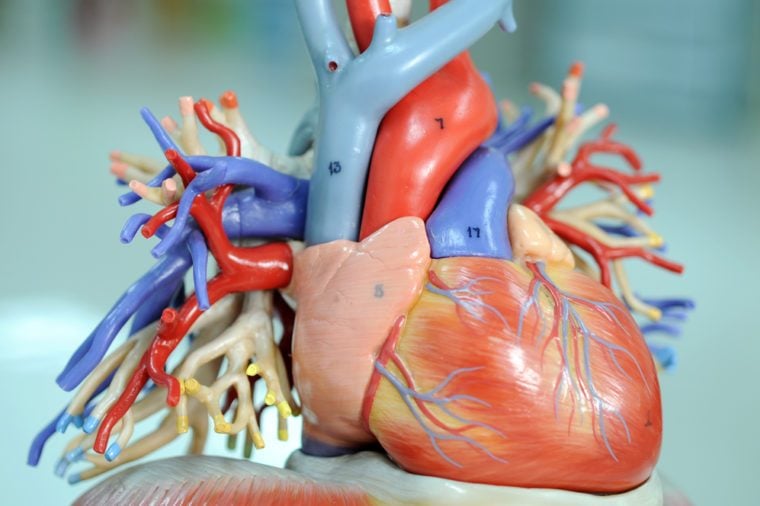
Arteries transport nourishing oxygen and nutrient-rich blood throughout tissues while veins carry the deoxygenated, waste-filled blood back to the heart, where the process begins anew. Dr. Chelsea Dorsey, a University of Chicago Medicine vascular surgeon, explains what to know about these critically important vessels and how to support their longevity.
Newswise — Our vascular system is our body’s unsung hero. Arteries transport nourishing oxygen and nutrient-rich blood throughout tissues; veins carry the deoxygenated, waste-filled blood back to the heart, where the process begins anew. What should we know about these critically important vessels, and how can we support their longevity?
Chelsea Dorsey, MD, a University of Chicago Medicine vascular surgeon, is an expert in vein and artery disease and offers these tips for vascular health.
At what point in life are we most likely to experience problems with our blood vessels?
An individual’s risk for various vascular conditions changes as they age. Blood clots in your veins can occur at any time. If you’re sick, injured or unable to walk for a period of time, you are at increased risk for blood clots. So are women taking birth control pills. Varicose veins are a very common condition that tends to affect a slightly younger population; women are twice as likely to be affected.
Conditions that affect your arteries tend to occur at an advanced age. Most of these involve the build-up of a firm substance called plaque that causes arteries to narrow and, in some cases, become blocked. Some doctors describe this as a hardening of the arteries — atherosclerosis is the medical term. It usually occurs over the course of many years and in arteries throughout the body.
Are arteries or veins more prone to problems?
Arteries and veins are very different with respect to their basic functions and the common conditions that can occur within them. It’s estimated that 12% to 20% of individuals over 60 have peripheral arterial disease. More than 40% of women have venous insufficiency, the underlying condition that leads to varicose and spider veins.
Does having ‘good veins’ mean that I’m less likely to have vascular problems?
Health care providers tend to describe larger veins on your arms as “good” if they’re easy to access. You may hear this when a nurse attempts to insert an IV or tries to draw blood. But this is not a marker for the actual health of your veins.
And why are some people’s veins easier to access with a needle?
Veins are dynamic. Their size and visibility can change based on your level of hydration, room temperature or provocative maneuvers like applying a tourniquet. Plus, all veins are not created equal. Vein walls can get more fragile with age, and if a vein has been previously accessed or injured, it can close off and stop working. Scars can form in the walls of the vein, making it harder to place an IV.
How much of the health of our veins and arteries is determined by genetics and how much by lifestyle?
The two go hand-in-hand for both vein and artery conditions. For instance, the most common risk factors leading to the development of varicose veins and venous insufficiency include a family history of the these conditions, spending long periods of time on your feet and multiple pregnancies.
What can we do to keep our arteries and veins healthy?
Caring for your arteries and veins have some overlap but also some very clear differences. Eating a heart-healthy diet and maintaining a healthy weight are beneficial for both arteries and veins. If you’re looking to boost your artery health, controlling diabetes and blood pressure, using cholesterol-lowering medications and not smoking can all make a difference. If you’re trying to prevent or treat vein conditions like varicose veins and venous insufficiency, regularly using compression stockings and elevating your legs can help significantly.
Arteries transport nourishing oxygen and nutrient-rich blood throughout tissues while veins carry the deoxygenated, waste-filled blood back to the heart, where the process begins anew. Dr. Chelsea Dorsey, a University of Chicago Medicine vascular surgeon, explains what to know about these critically important vessels and how to support their longevity.
Newswise — Our vascular system is our body’s unsung hero. Arteries transport nourishing oxygen and nutrient-rich blood throughout tissues; veins carry the deoxygenated, waste-filled blood back to the heart, where the process begins anew. What should we know about these critically important vessels, and how can we support their longevity?
Chelsea Dorsey, MD, a University of Chicago Medicine vascular surgeon, is an expert in vein and artery disease and offers these tips for vascular health.
At what point in life are we most likely to experience problems with our blood vessels?
An individual’s risk for various vascular conditions changes as they age. Blood clots in your veins can occur at any time. If you’re sick, injured or unable to walk for a period of time, you are at increased risk for blood clots. So are women taking birth control pills. Varicose veins are a very common condition that tends to affect a slightly younger population; women are twice as likely to be affected.
Conditions that affect your arteries tend to occur at an advanced age. Most of these involve the build-up of a firm substance called plaque that causes arteries to narrow and, in some cases, become blocked. Some doctors describe this as a hardening of the arteries — atherosclerosis is the medical term. It usually occurs over the course of many years and in arteries throughout the body.
Are arteries or veins more prone to problems?
Arteries and veins are very different with respect to their basic functions and the common conditions that can occur within them. It’s estimated that 12% to 20% of individuals over 60 have peripheral arterial disease. More than 40% of women have venous insufficiency, the underlying condition that leads to varicose and spider veins.
Does having ‘good veins’ mean that I’m less likely to have vascular problems?
Health care providers tend to describe larger veins on your arms as “good” if they’re easy to access. You may hear this when a nurse attempts to insert an IV or tries to draw blood. But this is not a marker for the actual health of your veins.
And why are some people’s veins easier to access with a needle?
Veins are dynamic. Their size and visibility can change based on your level of hydration, room temperature or provocative maneuvers like applying a tourniquet. Plus, all veins are not created equal. Vein walls can get more fragile with age, and if a vein has been previously accessed or injured, it can close off and stop working. Scars can form in the walls of the vein, making it harder to place an IV.
How much of the health of our veins and arteries is determined by genetics and how much by lifestyle?
The two go hand-in-hand for both vein and artery conditions. For instance, the most common risk factors leading to the development of varicose veins and venous insufficiency include a family history of the these conditions, spending long periods of time on your feet and multiple pregnancies.
What can we do to keep our arteries and veins healthy?
Caring for your arteries and veins have some overlap but also some very clear differences. Eating a heart-healthy diet and maintaining a healthy weight are beneficial for both arteries and veins. If you’re looking to boost your artery health, controlling diabetes and blood pressure, using cholesterol-lowering medications and not smoking can all make a difference. If you’re trying to prevent or treat vein conditions like varicose veins and venous insufficiency, regularly using compression stockings and elevating your legs can help significantly.