Showing posts with label Weight loss. Show all posts

Thursday, 26 August 2021

The Facts About Fat Burning and Running

Fitness 


Sorry, but there’s no workout “zone” that will magically melt your fat stores.

 Runners World


Photo by Unsplash on Unsplash

If you’re reading this while sitting down, congratulations—you’re primarily burning fat. However, if you get up and start moving around your home, you won’t burn as much fat. And if you felt really active and broke into a sprint outside, you’ll be burning almost no fat.

While everything we just said is true, it doesn’t mean all you have to do is sit tight and watch your fat stores melt away. The common presentation of how to exercise to lose fat—presented in admittedly exaggerated form above—is misleading.

There’s no special “fat-burning zone” that’s key to getting lean. Here’s what you need to know about burning fat through exercise.


What Fuels Your Running?

Look at wall charts or cardio equipment in the gym, or listen to many personal trainers, and you’ll encounter the fat-burning zone. The standard advice for getting in this zone is to work out at about 60 percent of your maximum heart rate.

That level of exertion is relatively low-intensity. Runners can usually talk in complete sentences at this effort, which is an easy pace like you might run the day before a race or the day after a hard interval workout. Working in this zone, it’s said, will burn more fat, and therefore result in greater long-term weight loss, than doing the same exercise at higher intensities.

On the surface, there’s some substance to part of this claim, according to decades of research. At all times, your body fuels itself primarily by burning a mix of fat and glycogen (the stored form of carbohydrate in your muscles). The less active you are at a given moment, the greater the percentage of that fuel mix comes from fat. At rest, fat constitutes as much as 85 percent of calories burned. That figure shifts to about 70 percent at an easy walking pace. If you transition to a moderate-effort run, the mix becomes about 50 percent fat and 50 percent carbohydrate, and moves increasingly toward carbohydrate the faster you go.

One reason your body goes through this shift is because your brain runs almost entirely on carbohydrates, and it wants to preserve its limited carbohydrate stores. Although burning fat requires a lot more oxygen than does burning carbohydrate, there’s plenty of oxygen available when you’re at rest or working at a low intensity. As you start exercising harder, however, your body needs fuel more quickly, and turns more to carbohydrates.

This change in the fuel-burned ratio is why you might hit “The Wall” when trying to run a marathon as fast as possible, but you might not during an ultramarathon. A marathon run at faster than your normal training pace can use up all of the glycogen stored in your muscles. When that happens—usually in the final 10K—your muscles turn to fat to fuel your stubborn insistence on reaching the finish line. But burning fat requires a lot more oxygen than burning carbohydrate, so to meet that demand for more oxygen, you have to slow considerably, usually by a minute per mile or more.

In contrast, if you’ve ever run an ultramarathon, it was likely at a much lower intensity, probably slower than your normal easy pace. The percentage of each mile that’s fueled by fat is higher than at the faster pace of racing a marathon. So even though you might be running longer in an ultra, you’re less likely to have that sensation of having to suddenly slow significantly because of depleted glycogen stores. Even the leanest runners have enough body fat to fuel hundreds of miles at a leisurely pace.


There’s Burning Fat, and There’s Losing Weight

So, it’s true that at some workout intensities you’re burning a higher percentage of fat than at other intensities. But running a certain pace so that you burn a higher percentage of fat doesn’t magically melt fat away. And even if it did, the difference in total fat burned in running three miles slowly and doing the same distance faster is perhaps a couple dozen calories. That’s negligible in the grand scheme of things, given that burning a pound of fat entails burning about 3,500 calories.

More important, as Asker Jeukendrup, Ph.D., a leading sport nutrition researcher, puts it, fat burning and weight loss aren’t synonymous. Weight control is a matter of calories in and calories out. Burn more calories than you consume, and you’ll eventually lose weight. Do the opposite, and you’ll eventually gain weight. “If you burn more fat, but you eat more calories than the calories you burn in total, you will not lose weight,” Jeukendrup has written.

Because total calories burned is what matters, perhaps you can see another flaw with the “fat-burning zone” line of thinking: You could spend an hour walking three miles; of the roughly 300 calories you’d burn, a higher percentage would be from fat than if you ran three miles. But in that hour, you might run six miles, burning about twice as many calories.

Photo by Staff

If you want to get all geeky, the math in the following example (and in the graphic) argues against the fat-burning zone.

Walk three miles in an hour, and of the roughly 300 calories you’ll burn, about 210 of them (70 percent) will be fueled by fat. Run 10-minute miles for that hour, and of the roughly 600 calories you’ll burn, about 300 (50 percent) of them will be fueled by fat. Also, your metabolism stays revved up longer after vigorous workouts than it does after low-intensity exercise. While this postrun burn is likely only a few dozen additional calories, or less than the amount in a banana, every bit helps if weight loss is one of your goals.


The Real Reason to Consider Fat Burning as a Runner

Running at the gentle effort of around 60 percent of your maximum heart rate isn’t the key to weight loss, but there are still many reasons to regularly run at this pace.

Easy runs help you recover before and after harder workouts, they provide great cardiovascular and mental health benefits, and they’re simply enjoyable. Easy running also allows you to accumulate lots of mileage, and thereby burn more calories, if doing so is one of your motivations to run.

As for fat burning and running, perhaps the most important reason to care about the topic has to do with training performance, not weight loss. As we noted above, at sustained higher-effort levels, such as half marathon to marathon pace, your running is fueled by a higher percentage of carbohydrates than at slower paces. Run far enough at these paces, and you’ll start to deplete your muscle’s glycogen stores, and you’ll have to slow.

One of the main goals of marathon training is to become more efficient at burning fat when running these faster paces. If you can train your muscles to burn a little more fat per mile when running at marathon pace, then your glycogen stores will last longer, and your chances of holding a strong pace to the finish will increase.

The best way to accomplish that is by running not at a gentle jog, but at close to your marathon pace, with wiggle room of about 5 percent per mile faster or slower. For example, if your marathon race pace is 8:00 per mile, then run between roughly 7:36 and 8:24 per mile.

You can do these runs as stand-alone workouts, such as 6 to 10 miles at marathon pace after a 1- or 2-mile warm-up. You can also incorporate them into the latter part of your long runs, such as running easy for an hour and then running another hour at around marathon pace. When done a few times a month, sustained runs at these effort levels will improve your muscle’s fat-burning efficiency.

Starting some medium-length to long runs on an empty stomach, such as soon after waking up, and taking in no fuel during those runs, can also train your body to burn more fat at a given pace. It’s best to save these “fasted” runs for easy to medium-effort sessions. (Learn more about the good and bad of fasted cardio workouts here.)

All of this might seem like a lot to remember about fat burning. The key takeaway: Ignore claims you’ll lose more weight by running in a special “fat-burning zone.” Follow a good training plan, eat a well-balanced diet, and stay healthy enough to run the amount you want to, and you’ll likely settle at what for you is a good running weight.


Sunday, 18 July 2021

Forget 10,000 steps — here's how much you should actually walk per day, according to science

Exercise 


Photo by Ladyfern Photos on Unsplash


By Gaby Landsverk 

  • Walking can help reduce your risk of illness and improve mental and physical health. 
  • But it's an old marketing myth that the optimal number is 10,000 steps a day.
  • For health, researchers found 7,000 to 8,000 daily steps was beneficial.
  • Visit Insider's homepage for more stories.

Despite the recommendations of pedometers everywhere, there's nothing scientific to the goal of walking 10,000 steps a day, for health or for weight loss

That magic number is an arbitrary one that originated as an advertising campaign decades ago.

While walking is great for your health, research suggests 7,000 to 8,000 steps might be a better goal.

10,000 steps a day started as a marketing slogan

The idea that walking 10,000 steps is optimal came from a catchy ad in Japanese, according to Daniel Lieberman, a Harvard paleoanthropologist who has studied the evolution of exercise.

Lieberman wrote in his recent book, "Exercised," that the Manpo-kei (translated as 10,000-step meter) was invented in the 1960s by the Japanese company Yamasa Tokei — the producer of the first commercial pedometer — which chose the name because it sounded good.

And it worked.

The company sold its product, and the concept became popularized all over the world as a metric for health.

Walking is great for your health, but you don't need to hit a certain target to see benefits

Lieberman told Insider there were some perks to getting 10,000 steps a day.

It's a convenient number for people to remember, walking that much (about 5 miles a day) is linked to health benefits, and walking is an accessible activity for many.

"We all have deep fundamental instincts to avoid unnecessary activity, so we need those nudges to help people get started," Lieberman said.

But it's not necessary hit 10,000 steps a day, research shows, and the health perks of walking may be on a spectrum.

A 2019 study on older women found that those who walked 4,400 steps a day had lower mortality rates over four years of follow-up than those who walked the least (about 2,700 steps a day or fewer).

But the reduction in risk appeared to max out at about 7,500 steps a day, and researchers found no additional benefits to walking 10,000 or more daily steps.

Similarly, a 2020 study found that taking 8,000 to 12,000 steps a day was linked to lower risk of dying of any cause during the study, compared with 4,000 steps a day. 

Together, these studies suggest that moving more can benefit your health, whether or not you hit the magic number. 

Some evidence suggests walking doesn't lead to significant weight loss long term

There's some evidence that people who walk 10,000 steps a day are more likely to lose weight than those who walk just 3,500 steps daily. It seems to make intuitive sense that adding a few extra miles to your routine would help, thanks to the extra calories you're burning.

But new research suggests that may not be the case.

Herman Pontzer, an evolutionary biologist, collected data showing that traditional hunter-gatherers, who walk miles each day, burn nearly the same number of calories as sedentary Americans. 

His theory to explain this is that, over time, the body compensates for extra energy you burn through exercise by budgeting more carefully or increasing your hunger signals so you eat more to make up for it. 

While this theory is somewhat controversial and requires more research, it suggests the relationship between walking and weight loss isn't as straightforward as people may think. So walking 10,000 steps a day isn't a hard and fast rule for shedding pounds any more than it's a prescription for better health. 

If you are looking to lose weight, there's no harm in walking, but changing your diet is key — and evidence suggests combing those measures leads to the best results.

By Gaby Landsverk

Thursday, 8 July 2021

7 Things Not About Food Or Exercise That Will Help You Lose Weight

Diet 


Take the indirect route.

Rebecca Thomas

Jun 28·4 min read


 Photo by Brooke Lark on Unsplash

Are you experiencing weight loss fatigue?

If you’d like to set down thinking about diet and exercise for a bit but not abandon your end goal, this article is for you.


Sometimes the best approach is sideways.

There’s a tremendous benefit to having clear goals and going for them. That’s not particularly true in weight loss. There are simply too many factors to contend with to give one objective all the focus.

Your weight is a by-product of how you construct your life.

Instead, work on various aspects of your life that allow you to take care of yourself with ease. After all, weight loss is an outcome of consistent, healthful practices. To do that day-in and day-out, you need a life structured to assist you.

Here are some of the most impactful ways to make progress on a healthy weight that don’t focus on workouts or diet.

Go To Therapy

One way talk therapy can help you with your weight: Most of us live with or are in relationships with people who aren’t on board with healthful living. As you begin to form healthy weight practices you’ll need to make requests of or ask for adjustments from the people in your lives.

  • Please don’t bring home sweets
  • Let’s go for a walk instead of brunch
  • I’d rather not happy hour

You get the idea. If you’re a person who can’t communicate what you need for fear of losing relationships that’s reason enough to go to therapy. Our past traumas really do stop us from building the lives we most want.

Withdraw From A Time Consuming Commitment

I can’t say this any more clearly: achieving and keeping a healthy weight takes time. It’s not something you do on the margins, it’s the defining principle by which you organize your life.

Yep.

An easy route to getting more movement is fewer things to do (and leave the time open). What did people do in record numbers during the pandemic? They went outside to bike and hike. That was the natural inclination once everyone wasn’t so busy.

Examine Your Finances

This video below makes a compelling case for tracking your money (beyond saving for retirement or rainy day expenses). Where you spend reveals your emotional state, or how you self-soothe.

Sometimes, awareness is what’s needed as a catalyst for change. This accountant brilliantly breaks down the connection between spending, emotions, and the power of observation.

Work On Your Sleep

Sleep is vital to weight loss, and losing sleep is directly associated with weight gain. Working on your sleep is working on your weight.

The good news is that there’s a lot you can do about it. Right now, tonight. I wrote this recent piece on creating good sleep environments with excellent resources at the end.

Declutter Your Home

This one hadn’t occurred to me until I started doing discussions with Kristen of Minima Organizing & Redesign. She has one of my favorite Instagram accounts that is both smart and gorgeous. We also share many similar life principles and have become business buddies.

She told me that reigning in clutter often spurred her clients on to lose weight. It makes complete sense that tackling one pressing challenge would then make space for addressing another. Plus, you don’t have so much stuff to attend to, so, more free time.

Learn To Make A Dish

Yes, this is about food but really the focus is on developing an important skill, learning to make your own meals with ease.

Knowing your way around the kitchen is essential for long-term weight loss. You have better control over your intake and it allows you to make things you get genuine pleasure from eating. That’s right, enjoying your food is an important part of living at a healthy weight.

Cooking is how you move from using food as an indulgence to one of pleasure. It creates reverence. It’s as intentional as it gets.

Take a mental health walk.

If you struggle with anxiety or depression, a daily walk needs to be part of your toolkit. It’s powerful medicine.

My fitness needs have changed over the years but my walking practice never has. It’s fundamental to my well-being as a person. I walk for joy, always outside, and along routes with plenty of visual pleasure. Sometimes that’s architecture, sometimes it’s nature.

The easiest way to get going is to embrace simplicity.

Forget workout clothes or complicated trackers. Put on a pair of comfortable shoes and go.

Join my email list for more helpful insights.

An anti-diet, pro-weight loss publication and program. We dismantle culture’s awful ideas about weight and give you useful ones.


Wednesday, 28 April 2021

Walking workouts are great for heart, bone, and muscle health – and almost everyone can do it

Workouts 


A young woman and young man walk outside in activewear while wearing face masks.
Walking is an easy exercise for everyone to do. antoniodiaz/ Shutterstock

Pandemic restrictions have led many people to start walking more, often because they’ve had few other things to do or just as a way to get moving. Walking workouts have even become popular, with plenty of “challenges” and exercise videos to be found online.

Walking is good for you, there’s not much doubt about this. As a way of adding physical activity into your life, it has many advantages. There’s a very low barrier to entry, meaning almost everyone, regardless of age or ability, can start walking regularly as a form of exercise.

Walking has clear benefits on keeping our bodies functioning as we get older, improving cardiovascular health, helping lose fat mass and maintain muscle mass, and helping to maintain bone density as well. And these benefits are true for people of all ages. It seems that the more active you are as a young adult can affect overall health and (in rats, at least) bone and muscle physical function in later life.

Walking outside is also associated with mental health benefits, particularly if you’re able to walk in parks or green spaces. Such “green exercise” can improve mental health and wellbeing, reduce symptoms of depression, and lower blood pressure to a greater degree than similar urban exercise.

These effects are so strong that walking on a treadmill in a sterile laboratory environment, but while watching a TV showing green spaces, can improve stress responses and improve self-esteem and mood when compared to watching scenes of urban built environments.

How many steps?

But how many steps are required? Although we’re often told to aim for 10,000 steps a day, this number is not really evidence based. In a study of 16,741 older women (average age 72 years), people who walked less than 2,000 steps a day were shown as having the highest risk of death from many different causes, such as cancer or cardiovascular disease. People who walked more were less likely to die from any cause.

This effect plateaued at about 7,500 steps, suggesting (at least in this population of older women) that activity beyond this didn’t impart further benefit in terms of mortality. Simply put, walking more likely helps you live longer, but 10,000 steps wasn’t any different to 8,000 steps. Similar results are seen in adults older than 40, with a pleateau in effectiveness of increasing step counts somewhere between 8,000 and 10,000 steps.


Read more: Do we really need to walk 10,000 steps a day?


Another factor to consider is walking pace. As intuitive as it may seem, it’s worth pointing out that walking faster is better for you than walking slowly. In a recent randomised control trial, 12 months of walking five times a week for 50 minutes at low speed didn’t improve measures of fitness, while walking at a faster speed did. (The researchers used a personalised measure for each person – so “fast” versus “slow” depended on each individual.)

Walking speed is also a predictor of mortality in older people. People who walk slower are much more likely to die over the next 14 years of all causes than those who walked at a faster pace.

Is walking enough?

But while walking is good for you, it’s not a magic cure for everything. To gain even further benefits, consider adding in both higher intensity exercises and strengthening exercises, as recommended by the World Health Organization and NHS England.

This should include vigorous, challenging, quick movements that get your heart beating faster and make you out of breath – such as running or cycling up hills, sports games, or walking up stairs. Again, intensity is at play here. So although walking is good for cardiovascular fitness, running is better, even if you still only use similar amounts of calories on a short run versus a longer walk.

Five men play basketball outdoors.
The greater the intensity, the better for your health. bbernard/ Shutterstock

Muscle strengthening exercises, such as weightlifting, are also great for building muscle mass and strength at all ages. These will help maintain muscle mass and function with older age, and are associated with reduced incidence of chronic diseases.

Importantly, losses in muscle mass and function start in your 30s-40s. So exercising while you’re younger isn’t just good for you now, but could help your health and function decades later.

In place of step counts, the World Health Organization suggests people think of “minutes of activity”, and that people should achieve at least 150 minutes of moderate intensity exercise a week, or at least 75 minutes vigorous intensity exercise if you prefer. Moderate intensity activity is about a six out of ten on your personal intensity scale – so things like light sports, walking briskly or dancing.

Activity trackers can also help you keep an eye on how many minutes you’re active daily. Most smart phones have apps built in and many are freely available to download.

So, is walking good for you? Yes. Do you need to walk 10,000 steps a day? Probably not, but it’s not going to do you harm if you do. If you are trying to maximise your gain in health benefits through being more active, consider adding in other types of exercises alongside lighter activities like walking that challenge your fitness and strength.

With expert insight and analysis on vital issues from coronavirus to climate change, our articles will always be free to read. But by supporting The Conversation, you can help ensure the free flow of accurate information – essential to guide, reassure and inform in times like these. A small donation can help The Conversation ensure that you and others keep hearing from academic experts.

Stephen Khan

Editor


Tuesday, 23 February 2021

How self-talk and one simple mantra helped me achieve my weight loss goals for good

Weight Loss With Self-Talk 

 It's that time of year again when people feel they need to lose weight.  Here is one way to achieve this:

Speaking to yourself in this way is called “distanced self-talk” and is scientifically proven to help people achieve their health goals.


Photo by Chen Mizrach on Unsplash


By Rachel Hosie

It was a Friday evening in early 2019, and I’d just got home from dinner with friends. I flopped on to my bed, freed my food baby from the shackles of my jeans, and sighed.

I was trying to lose weight. So why had I eaten myself into a state of discomfort? Why did I fill up on tortilla chips and hummus when I knew there was so much more food to come? Why did I have the third piece of bread?

Why couldn’t I just get it together?

Read more: I lost 35 pounds in 6 months without going on a diet, and it taught me 7 lessons about eating for healthy fat loss

After years of overeating, it was a familiar refrain in my internal monologue. But then that voice in my head said something else: You can’t mess this up.

Instead of spiraling, I remembered that the only way you fail is by quitting. Instead, I would learn from the experience, and get back on track.

And that’s exactly what I did, which led me to finally losing weight for good, getting in shape, and building a new, healthier relationship with food and my body.

Reframe ‘failures’ as learning opportunities

For so many people, the barrier to sustainable weight loss is that they think they have to have a “perfect” diet all the time, but no one can do that. So when I inevitably stuffed my face with chocolate one night, instead of beating myself up for “ruining everything,” I told myself that I didn’t.

It was something to learn from. And as long as I got straight back on track, I would still reach my goals and it really wouldn’t make that much difference.

After all, no one gets a six-pack after one salad and no one becomes obese after one box of chocolates. As the months went on during my weight loss journey two years ago, I saw first-hand that this is true: I was working on my overeating tendencies, and while I still succumbed from time to time, it didn’t actually prevent me from achieving my goals.

On days where I went way over the calories I was aiming for, I stopped to think about why I did that. Maybe there was something I could work on. Maybe I’d just think, “OK, I didn’t really need all that food or that fourth glass of wine. But I enjoyed it, and that’s fine.”

Consistency always trumps perfection, and I learned that aiming for 80% consistency with my diet and nutrition was the way to go.

You can’t fail if you don’t quit

Changing your mindset is so important for weight loss success, and any good health coach knows this.

I first heard the “you can’t mess this up” mantra from personal trainer and fat loss coach Jordan Syatt.

Syatt explained to Insider that the reason the mantra is so powerful is that most people never achieve their fitness goals — be that weight loss, muscle gain, or simply feeling better in their body — because they think they need to be perfect to get there.

And when they aren’t “perfect,” they think they’ve ruined their progress and might as well not bother trying, which isn’t true.

“You can’t fail, because the only way you screw up is if you quit,” Syatt said. “As long as you understand that you’re never more than one bite away from getting back on track, then you can’t lose, you can’t fail. And the more you remember this, the more likely you are to achieve your goals.”

‘Distanced self-talk’ helps people reach their goals

According to psychologist and author of “Chatter: The Voice in Our Head, Why It Matters, and How to Harness It” Dr. Ethan Kross, my mantra is particularly effective because it uses “you” rather than “I.”

Kross told Insider that it’s a lot easier for us to give advice to others than to follow our own advice. So by using second and third person pronouns (like “you” or “she”), we’re able to be more objective and create some mental distance from our own experiences.

Read more: It’s time to reframe exercise and stop thinking of it as punishment

“People are better able to follow through with their goals when they talk to themselves using what we call ‘distanced self-talk,’” Kross said.

This was proven in relation to healthy eating in a recent study conducted by Kross and his team.

I’ll tell myself I can’t mess this up forever

I am in a much healthier, happier place now than I was a few years ago. I no longer think of foods as good or bad, or exercise as punishment.

Yes, my body has changed a lot over the years, but what you don’t see in a “before and after” photo is the mental work that’s really gone on.

And that’s part of the problem with fad diets or “quick fixes” — they don’t help people develop healthier mindsets, so any physical change that may materialize won’t last.

I rarely overeat to a point of pain now, but it does still happen occasionally, because I’m only human and food is delicious. And on those occasions, I remind myself that it doesn’t make me a bad person. It hasn’t undone all the progress I’ve made over the years. I just get back on track and keep going.

You can’t mess this up.


Tuesday, 12 January 2021

Beating the Bulge with a Nice Cup of Tea

Beating the Bulge with a Nice Cup of Tea


Researchers led by the University of Tsukuba find that drinking two cups of oolong tea a day can stimulate fat breakdown while you sleep.


Tsukuba, Japan - Does losing weight while you sleep sound too good to be true? According to a study by the University of Tsukuba, it seems that drinking oolong tea might help you do just that.

While all tea comes from the same plant, Camellia sinensis, the degree of oxidation, a chemical reaction that turns tea leaves black, defines its specific type. For example, green tea is unoxidized and mild in flavor, while the distinctive color of black tea comes from complete oxidation. Oolong tea, being only partially oxidized, lies somewhere in between and displays characteristics of both green and black tea. But while green tea is lauded for its health benefits, oolong tea remains more of an unknown.

"Like all teas, oolong contains caffeine, which impacts energy metabolism by increasing our heart rate. However, studies suggest that tea consumption may also increase the breakdown of fat, independent of the effects of caffeine," explains senior author of the study Professor Kumpei Tokuyama. "We therefore wanted to examine the effects of oolong consumption versus caffeine alone on energy and fat metabolism among a group of healthy volunteers."

Publishing their results in a recent issue of the journal Nutrients, the researchers found that both oolong tea and pure caffeine increased fat breakdown by about 20% in the healthy volunteers compared with the placebo, and that oolong tea continued to have an effect while the participants were asleep. Interestingly, neither treatment caused an increase in energy expenditure, indicating that the volunteers developed a tolerance to the stimulatory effects of caffeine over the 2-week study period.

Because a lack of sleep can impact energy metabolism, and because caffeine is known to inhibit sleep, the researchers also studied the sleep patterns of the volunteers. Significantly, there was no noticeable difference in sleep patterns or the time it took participants to fall asleep between the treatment and placebo groups, indicating that drinking oolong tea is unlikely to prevent you from getting a good night's rest.

So should we all be downing copious cups of oolong tea to counteract the indulgences of the festive season?

According to Professor Tokuyama, the answer is maybe.

"The stimulatory effects of oolong tea on fat breakdown during sleep could have real clinical relevance for controlling body weight. However, we need to determine whether the effects we observed in the 2-week study translate into actual body fat loss over a prolonged period. In addition, we want to trial a decaffeinated oolong tea to better distinguish the effects of caffeine from other components of tea, which will help us understand exactly how oolong helps with fat breakdown."

###

The article, "Subacute Ingestion of Caffeine and Oolong Tea Increases Fat Oxidation without Affecting Energy Expenditure and Sleep Architecture: A Randomized, Placebo-Controlled, Double-Blinded Cross-Over Trial," was published in Nutrients at DOI: 10.3390/nu12123671.


Monday, 7 December 2020

What Is the Best Diet for PCOS? We Asked the Experts What Foods to Eat

What Is the Best Diet for PCOS? We

 Asked the Experts What Foods to Eat: 


Nadine Primeau

Polycystic ovary syndrome (PCOS) is a hormonal imbalance that interferes with ovulation, increases production of testosterone and often causes insulin-resistance. Though the condition is incurable, one of the best ways to manage it is through the PCOS diet, which includes healthy eating habits and regular physical activity.


Celebrity trainer and fitness expert star Jillian Michaels knows this first hand. She was diagnosed with PCOS as a teenager and recently discussed how changing her diet made living with the condition more bearable, even keeping symptoms at bay for more than 20 years.

“No fake sugars, no processed sugars, no processed grains—things that drive insulin to the roof,” Michaels told Yahoo Lifestyle in September. “And over time, I pretty much had the situation under control.”

So, how does diet actually affect PCOS? And, if you have the disorder, what lifestyle changes can help you manage the conditions? We asked nutrition experts to weigh in.

Related: Why Can’t I Get Pregnant? Signs of Infertility

PCOS and weight loss

PCOS is an endocrine condition that affects an estimated one in 10 women, but there are many misconceptions about the disorder among both patients and the medical community, says reproductive endocrinologist Jennifer Glueck.

One misconception is the relationship between PCOS and weight gain, she says, “Weight gain does not cause PCOS; PCOS does not cause weight gain.”

But, weight can impact the severity of PCOS symptoms.

“Weight loss is absolutely the cornerstone of treating PCOS because it is important to reduce the insulin-resistance not only to help symptoms but to prevent progression to Type 2 diabetes,” Glueck says. “Just as symptoms tend to get worse with weight gain, they do tend to get better and easier to control with weight loss.”

Glueck counsels her patients to make changes to their diets to reduce insulin-resistance—for example, eliminating added sugars and processed foods, reducing simple carbohydrates and increasing exercise.

Related: Does Green Tea Really Help You Lose Weight? We’ve Got All the Info You Need

Focus on lifestyle changes, not diets

Nutrition and the foods you eat are a “first-line treatment of PCOS,” says registered dietician nutritionist Angela Grassi, founder of The PCOS Nutrition Center.

“Food and the nutrients in food can help fight inflammation, reduce the risk for diseases that people with PCOS are more prone to, like Type 2 diabetes and cardiovascular disease, and can even improve fertility,” she says.

Light Bulb

Healthy Now Tip

Use oat flour for a high-fiber baking substitution. Even better—you can make it at home on the cheap. Just put rolled oats in a blender or food processor and grind until fine.

But, too much focus on diets and weight loss may be counterintuitive and not sustainable, so Grassi urges her patients to make lifestyle changes to manage PCOS long term.

“What I am finding is that diets don’t work for people with PCOS because of the elevated levels of insulin, which puts them in a fat-storage mode,” Grassi explains. “They may lose some weight but without sustainable lifestyle changes, it can be quickly regained. Weight cycling can potentially make PCOS worse in the long run and impacts quality of life, and could lead to more mood and eating disorders.”

PCOS symptoms vary from person to person, so an individualized approach to nutrition works best.

“I help them develop a more balanced nutrition plan and challenge their distorted thoughts and judgments around food,” Grassi says. “I also help patients to become intuitive eaters. So many of them have lost the disconnect with hunger and fullness because of diets. Helping patients to add in enjoyable movement and finding the right supplements to help them is also part of it.”

Related: 7 Things That Happen When You Try Mindful Eating

What is the best nutritional plan for PCOS management?

The Academy of Nutrition and Dietetics’ recommendations for PCOS patients include eating more whole grains, fruits, vegetables, lean meats and low-fat or fat-free milk, cheese and yogurt to lower blood sugar, improve how the body uses insulin and regulate hormone levels.

The academy also suggests eating four to five meals or snacks a day, and not skipping meals. Meals should feature some kind of protein, like nut butters, lean meats, fish, tofu, beans or low-fat dairy. Healthy fats, including olive oil, avocados and almonds, can be incorporated in moderate portions.

Unless someone with PCOS also has a food allergy or intolerance, there is no reason to necessarily avoid specific foods, Grassi says.

“The important thing though is to notice how these foods affect you,” she says. “A balanced plate is a good place to start: half veggies, one quarter protein and another quarter whole grain carbohydrates along with fat.”

This approach prevents glucose and insulin surges and keeps you full longer. She says foods rich in omega-3 fatty acids, like fatty fish and olive oil, lowers triglycerides, androgens like testosterone and overall inflammation.

Related: Fertility Diet: The 25 Best Foods to Eat When Trying to Get Pregnant

Exercise reduces PCOS symptoms

Physical activity can relieve many PCOS symptoms. The Academy of Nutrition and Dietetics recommends 30 minutes of moderate exercise on most days, with strength training at least twice a week.

Research suggests that regular exercise also led to a lower BMI and reduced the risk of depression in women with PCOS.

PCOS-related depression and nutrition

PCOS is an incurable condition. PCOS symptoms—irregular periods, hair growth on the body, acne and sometimes struggles with fertility—require daily management, which can increase the risk of depression and anxiety. Research shows about 40% of women with PCOS experience depression.

As a result, emotional eating is a “big problem” for women with PCOS, Grassi says. Eating disorders, including bulimia nervosa, are more common among women with PCOS, and can impact treatment of PCOS, research suggests.

Also contributing to the anxiety around PCOS and the diet is the overwhelming amount of sometimes-inconsistent nutritional information available. That’s why working with a registered dietician or other health care provider can help you get on track.

“The most common issues are confusion on what to eat,” Grassi says. “There is so much conflicting nutrition information available on the internet, with research showing the majority of it is false. Most people with PCOS aren’t getting enough information from their health care provider on how to manage PCOS and they turn to the internet.”

Find out how Lea Michele copes with PCOS and other celebrities with PCOS.


Thursday, 29 October 2020

8 foods that can help women lose more weight

Weight Loss

 Helpful advice about foods that are best for weight loss!


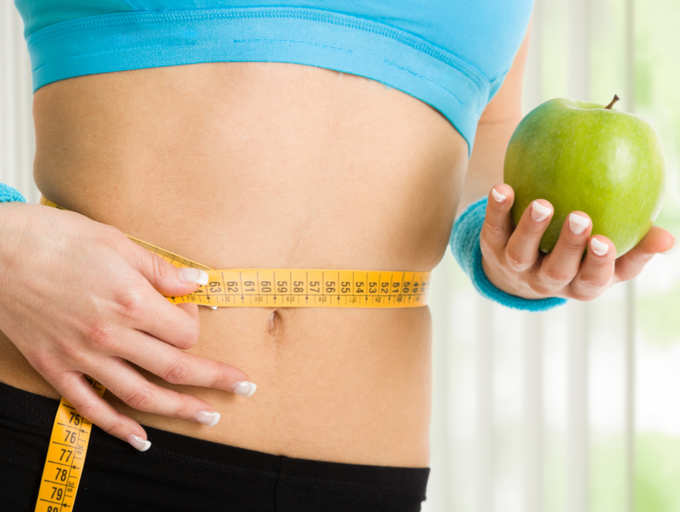
01/9  Ladies, include these food in your diet!

It is said that to lose weight one must eat nutrient-rich foods. But the question is that out of the 5000 different varieties of fruits and vegetables available, how do you identify the best? Well, we have an effective solution to your problem. As per a recent study published in the Journal Nutrients, consuming some specific fruits and veggies can help women shed kilos faster than others. Yes, that's right. The study revealed that adding some specific food in the diet can lead to long-term weight loss over a span of 4 years. So, if you want to maintain a healthy weight and stay fit then add these foods in your diet.

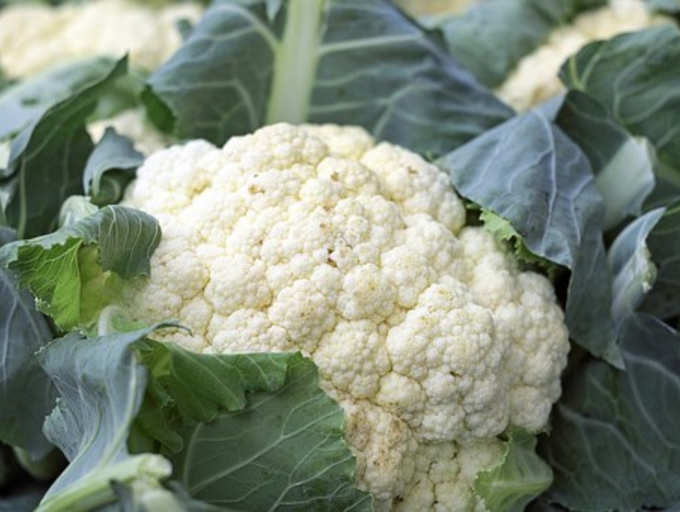
02/9Cauliflower

Cauliflower is low in calories and can be a substitute for high-calorie foods like rice and flour. One cup of cauliflower contains just 25 calories, so you can eat a lot without gaining weight. It is the best vegetable for women shedding kilos between 46 to 51 years and third best for women between 33 to 40 years.

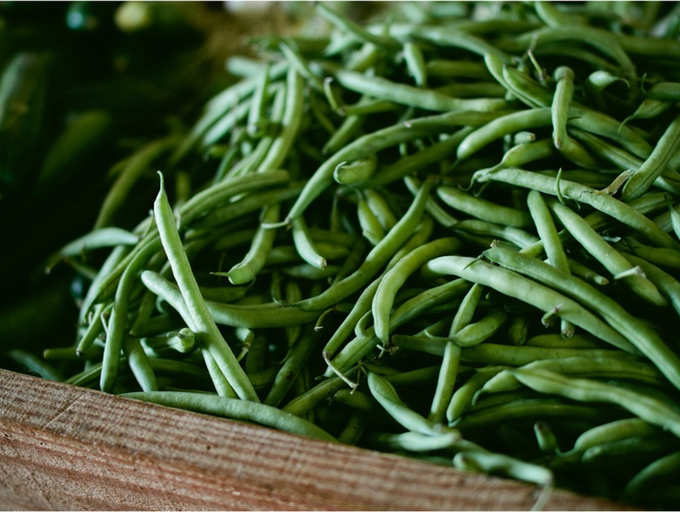
03/9​String beans

One cup of raw beans contains 31 calories, no fat and only 3.6 grams of sugar. It is packed with vitamin C, K, A, carotenoids, antioxidants, and fiber. It is the third-best food for shedding kilos for women in the 46-51 age group.

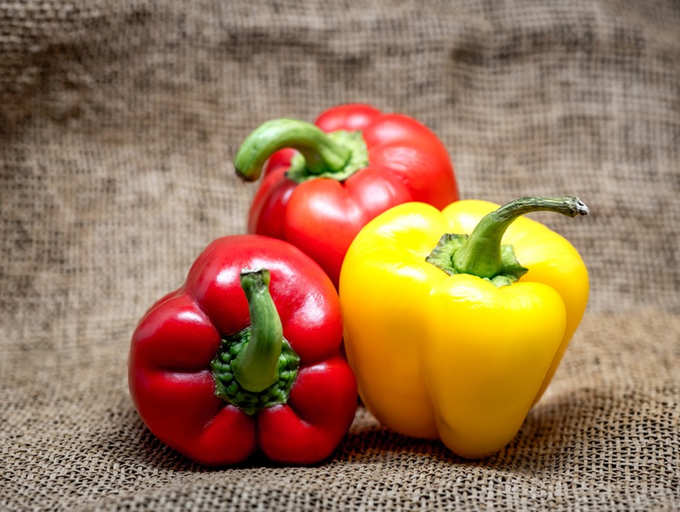
04/9Bell pepper

Add them in your salad or sandwich, bell pepper are an excellent food for shedding kilos. The colourful vegetable is low in calories and has fat burning property. It is loaded with vitamin C, which helps to cut down belly fat and lift your mood.

05/9Carrot

Carrot is another weight loss friendly, low-calories food that women must add in their diet. High in fiber and beta-carotene, this vegetable can be added in the diet in a variety of ways. You can have carrot juice, salad or smoothie. This vegetable helps in bile secretion which in turn burn fat and thus aids weight loss.

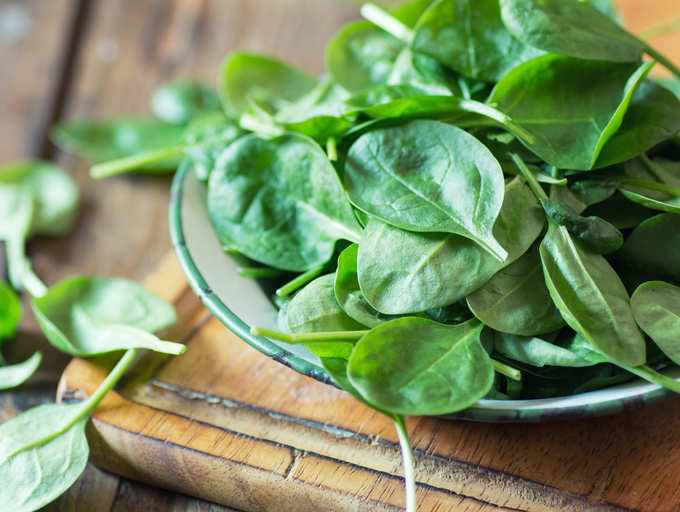
06/9​Leafy greens

When it is about weight loss, you cannot miss the leafy green. They contain an abundance of nutrients, are low in calories and full of fiber. The fiber content in the green veggies helps to promote satiety and prevent unhealthy munching.

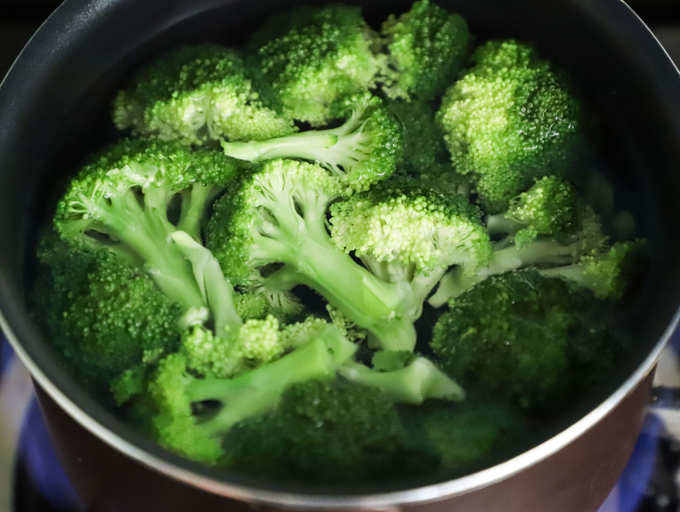
07/9​Broccoli

For women belonging to the 33 to 40 years age bracket, broccoli is the most important vegetable for sustained weight loss. This green vegetable is a good source of carb and is high in fiber. Having this vegetable every day can help prevent constipation and overeating.

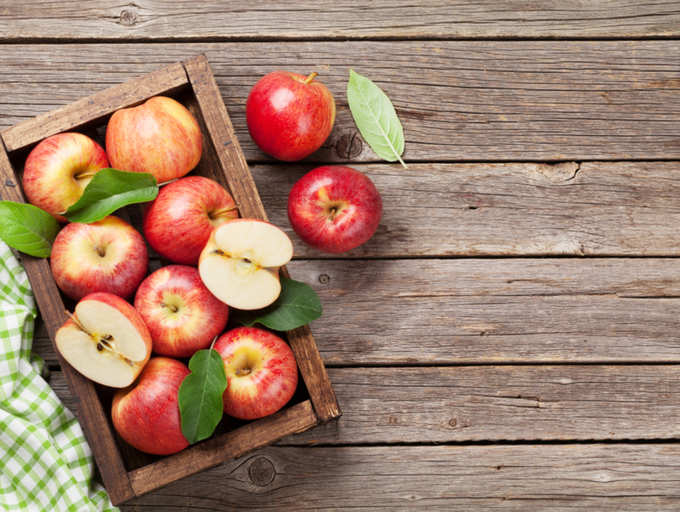
08/9​Apple and pears

Both apple and pear were considered among the top five best fruits for weight loss. Both are packed with fiber and have anti-inflammatory properties. Moreover, their calorie content is extremely low, which makes them excellent weight loss friendly fruits.

09/9​Strawberries

Rich in vitamin C, potassium and fiber, strawberries are another excellent weight loss fruit. By consuming 1 cup of sliced strawberries, you can get 163 per cent of daily dose of vitamin C. Besides, it is rich in antioxidants and low in calories.