Showing posts with label health benefits of Ginger. Show all posts

Sunday, 4 October 2020

Health This happens to your body when you eat ginger every day for a month

Ginger For Good Health 


We didn’t know ginger is so healthy

We all know that fruit and vegetables are really good for us. It is known that we should eat colored food several times a day, but did you know that certain spices also have many health benefits? Take ginger, for example. When you eat ginger every day, a lot of good things happen to your body.


This happens to your body when you eat ginger every day for a month
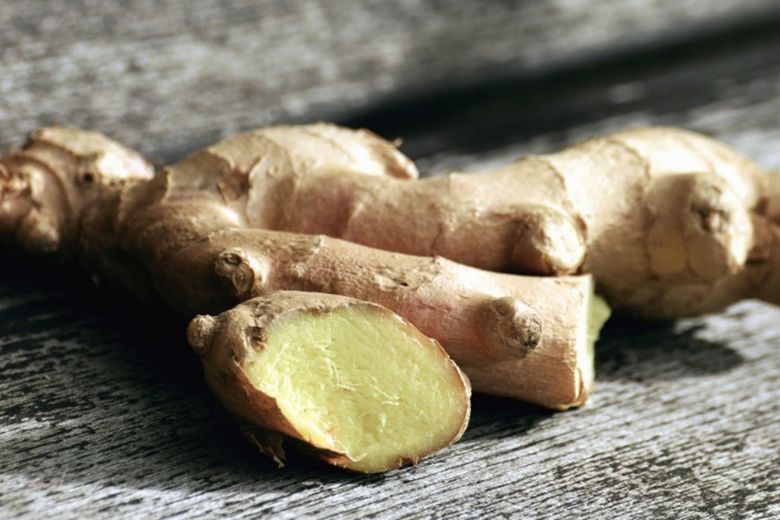
We didn’t know ginger is so healthy

We all know that fruit and vegetables are really good for us. It is known that we should eat colored food several times a day, but did you know that certain spices also have many health benefits? Take ginger, for example. When you eat ginger every day, a lot of good things happen to your body.

Ginger

Ginger is a spice with a very strong taste. Ginger is not only very tasty, but also has a lot of good qualities. Ginger contains gingerol, shogaol, zingiberene and a whole range of vitamins and minerals. It is therefore not surprising that ginger has a long medicinal history. Centuries ago, ginger was used to cure all kinds of ailments. In addition, eating ginger regularly also helps to keep your body healthy.

Good qualities

Ginger contains gingerol, a bio-active substance that helps to reduce symptoms such as nausea and vomiting. This substance also helps to reduce swollen joints. Ginger also contains shoagol, a substance with an analgesic effect that also helps against cancer and heart disease. Zingiberene in ginger is particularly good for digestion. But not only this: ginger also has an anti-diabetic effect and improves brain function and the immune system.


Ginger every day

Are you planning to eat ginger every day for a month? Then we will not stop you! Eating ginger daily has many health benefits. Side note: you do not have to nibble on a piece of ginger every day. Cut a large piece – about 1.5 centimeters – into small pieces and mix it with your smoothie, tea or Asian dish. Wondering what this does to your body? We will explain it to you.

It does this to your body:

Anti-inflammatory: Inflammation in the body is reduced faster. This is due to the anti-inflammatory effect of ginger.

Nausea disappears: are you often nauseous in the morning? We bet that eating ginger every day will help you! By eating ginger daily, the nausea will soon subside. Tip: Especially pregnant women and people undergoing chemotherapy can benefit from this.

Reduction of muscle pain: Do you have muscle pain or pain in the limbs? Eating ginger can have a good influence on this. Consuming ginger daily will gradually ease the pain.

Promotes bowel movements: Eating ginger on a daily basis does a lot of good for your bowel movements. Do you regularly suffer from constipation? Then this might help you.

Menstrual pain: Are you in constant pain during this time of the month? Then eating ginger daily may help you. The spice is similar to taking pain medications, which can help relieve acute abdominal pain.

Lowers cholesterol: Eating ginger every day for a month can help lower “bad” cholesterol in the body. The amount of triglycerides in the blood is reduced by the substances in ginger.

Boosts the Immune System: The anti-inflammatory properties in ginger strengthens the immune system. Have you already been affected by a cold or virus? Then ginger can help you recover faster.


Thursday, 9 January 2020

Ginger Soothes Suffering of Rheumatoid Arthritis

Ginger


Are aching, swollen joints stifling your activity levels and making life a real pain? Read on to learn how ginger, an inexpensive, herbal wonder, can lead to less pain and inflammation and allow you to do more of the activities you love
Rheumatoid arthritis (RA) is an autoimmune disease affecting approximately 1.5 million people in the U.S.[i] RA disproportionately affects women, with nearly three times as many women afflicted as men and onset typically occurring between 30 and 60 years of age.[ii]
Autoimmune diseases occur when the body's immune response is overactive and assaults healthy cells and tissues. In the case of RA, the immune system erroneously attacks the joints.
The tissue that lines the inside of joints, called the synovium, thickens, and synovial fluid, which lubricates and reduces friction between bones and cartilage, is impaired, resulting in inflammation and swelling of affected joints and surrounding tissues.[iii]
RA can affect specific joints, such as those of the hands and feet, and can also be systemic, affecting entire body systems, such as the cardiovascular or respiratory systems.[iv] Left untreated, RA can permanently damage cartilage, which normally protects bones, eventually causing damage to the bones themselves. This can result in severe pain, loss of mobility and even permanent joint deformity.
Due to the severity of potential outcomes, most doctors recommend early and aggressive treatment to control RA.[v] Fortunately, natural treatments, including ginger, can help.
Drug Treatment Poses Risks
Due to the painful symptoms and severe risks presented by RA, most individuals who receive this diagnosis will opt for medication-based treatment. Physicians typically prescribe one or a combination of three types of drugs: non-steroidal anti-inflammatory drugs (NSAIDs), corticosteroids, and disease-modifying anti-rheumatic drugs (DMARDS).[vi]
The risks of taking NSAIDs are well-documented. Meta-analyses of these data show that the elderly are particularly vulnerable to such adverse effects.[vii] Increased risks of cardiovascular disease, gastrointestinal problems, which can be severe, and liver problems are among the devastating consequences that can occur from NSAID treatment.[viii]
Steroids, another common prescription for RA sufferers, provide targeted treatment since they can be shot directly into joints. However, their effectiveness diminishes over time and using steroids is not without risks. Side effects of steroids can include weight gain and puffiness, increased blood pressure, diabetes and heart disease.[ix]
Another common treatment, DMARDS, work by suppressing the body's immune system response. DMARDS are taken for long periods, potentially for the duration of the disease-state, or the rest of the patient's life. Relief does not come immediately, so these drugs are often prescribed in conjunction with an NSAID for pain relief.
DMARDS are risky drugs since suppression of the immune system increases susceptibility to opportunistic infections. They can also harm a developing fetus, so any patient who is or wishes to become pregnant should exercise extreme caution when taking DMARDS.[x]
Other potential side effects include, but are not limited to, gastrointestinal distress, liver damage, pancreas damage, high blood pressure, fertility problems and increased cancer risk.[xi]
Ginger: A Natural Antidote to Inflammation
A focus of our research at GreenMedInfo.com is the potent healing effects of plant-based medicine. Ginger (Zingiber officinale Roscoe) is a medicinal plant from the Zingiberaceae family. To date, more than 40 antioxidants have been isolated from ginger rhizome.[xii] Ginger is GRAS, generally recognized as safe,[xiii] and is known as a traditional treatment for relieving stiffness and pain in patients with osteoarthritis.[xiv]
While the healing effects of ginger may be well known, there is little clinical evidence supporting its use as a pharmaceutical drug alternative or adjunct in the treatment of RA. A multidisciplinary team of researchers based in Tehran, Iran, aimed to add to this dearth of clinical evidence by studying the effects of ginger root on immunity and inflammatory markers in patients with active cases of RA.
In this randomized, double-blind, placebo-controlled clinical trial,[xv] 70 active RA patients between 19 and 69 years of age were selected. Inclusion criteria were at least two years of disease duration, being under treatment with DMARDs (methotrexate, hydroxychloroquine and prednisolone <10 milligrams (mg) a day) and not receiving anti-inflammatory drugs (NSAIDs).
Participants were randomly allocated into two groups, ginger or control (placebo). The ginger group received two capsules daily, each containing 750 mg of powdered ginger, while the placebo group received similar, inert pills containing wheat powder that was stored in a ginger box to impart the distinctive ginger smell. The intervention was conducted for 12 weeks, with the ginger group receiving a total of 1500 mg of ginger each day.
The severity of illness and pain from RA are closely associated with inflammation and oxidative stress markers, factors that can be measured via a "disease activity score" and expression of certain genes (NF-κB, PPAR-γ, FoxP3, T-bet, GATA-3, and RORγt). The disease activity score (DAS28-ESR) was measured by a rheumatologist, with information related to swollen joints, tender joints, acute phase response and the patient's self-report of general health of 28 joints.
These markers and scores were measured using quantitative, real-time PCR (polymerase chain reaction) blood analysis, before and after this clinical intervention.
After the 12-week intervention, the group receiving ginger supplementation had significant decreases in their disease activity score and inflammatory markers (RORγt and T-bet genes expression). In addition, the ginger group saw significant increases in healthy immunity markers (FoxP3) as compared to placebo.
Also, the expression of PPAR-γ gene within the ginger group increased significantly, showing increased anti-inflammatory activity. Researchers concluded that ginger can improve quality of life and decrease symptoms of rheumatoid arthritis by increasing FoxP3 gene expression and decreasing RORγt and T-bet gene expression.
You can find more than 100 free and informative articles on the healing properties of ginger on GreenMedInfo.com. To read more scientific studies on ginger, consult GreenMedInfo.health's Research Database by becoming a member today.


References
[i] Arthritis Foundation, What Is Rheumatoid Arthritis
[ii] Arthritis Foundation, What Is Rheumatoid Arthritis
[iii] Arthritis Foundation, What Is Rheumatoid Arthritis
[iv] Arthritis Foundation, What Is Rheumatoid Arthritis
[v] Arthritis Foundation, What Is Rheumatoid Arthritis
[vi] Johns Hopkins Arthritis Center, Arthritis info, RA treatment
[vii] Can Fam Physician. 1989;35:653-654. PMID: 21249004
[viii] Can Fam Physician. 1989;35:653-654. PMID: 21249004
[ix] Arthritis Health, Types, Rheumatoid, 5 types of medication that treat RA
[x] Arthritis Foundation, Treatments, Drug types, DMARDs: Benefits and Risks
[xi] Arthritis Foundation, Treatments, Drug types, DMARDs: Benefits and Risks
[xii] Gene. 2019 May 25;698:179-185. doi: 10.1016/j.gene.2019.01.048. PMID: 30844477
[xiii] Ginger, Drugs and Lactation Database (LactMed) [Internet]. Bethesda (MD): National Library of Medicine (US); 2006-. PMID: 30000845
[xiv] Int J Gynecol Cancer. 2004 Nov-Dec;14(6):1063-9.;14(6):1063-9.
[xv] Gene. 2019 May 25;698:179-185. doi: 10.1016/j.gene.2019.01.048. PMID: 30844477

Wednesday, 6 December 2017

The Amazing Health Benefits of Ginger

The Amazing Health Benefits Of Ginger

The benefits of Ginger cannot be stressed enough. 


Our modern world is a difficult place to maintain a healthful balance. Ginger is, hands down, one of the most broadly therapeutic and familiar plant allies available to us to prevent and even reverse a wide range of ailments, with the science supporting its safety and efficacy one of the most robust.

Ginger root (Zingiber officinale) is a powerful medicinal herb that has been used for centuries to keep mankind in balance. Rich in bioactive terpenes, ginger belongs to the same powerhouse plant family, Zingiberaceae, as turmeric and cardamom. Ginger became prized by herbalists around the world during the days of the early spice trade, when it was first exported from India and Southern Asia into Europe.[1] Traditional Chinese Medicine (TCM) and Ayurveda consider ginger to be warming to the system, thus stimulating to the “digestive fire.” Traditional uses reflect this understanding of ginger’s powerful healing properties: it’s known for relieving nausea, aiding digestion, soothing cramps, and improving circulation. Ginger also possesses potent detoxifying properties, stimulating elimination via bowel release and perspiration.
If the benefits of ginger stopped there, it would be a miracle plant food worthy of daily consumption. But modern science has not only validated ginger’s traditional uses, it has put ginger into an elite “superfood” category where the lines between food and medicine become blurred. Sure, ginger can keep your tummy happily humming along. But did you know it may also help prevent you from falling prey to some of the worst health conditions plaguing people today?

A Remedy for What Ails You
With nearly 3,000 years of documented use and almost as many scientific abstracts on ginger’s effectiveness, it can be difficult to narrow down ginger’s five most powerful health benefits. One approach is to cross-reference ginger’s healing properties with the worst disease threats in our world today. The World Health Organization, whose stated mission is to combat diseases around the world, publishes annual statistics on the top ten causes of death, worldwide.[2] In 2017, there are five diseases on the list for which ginger has been shown to provide significant benefit:
  • Heart disease
  • Stroke
  • Lung cancer
  • Diabetes
  • Diarrheal diseases
Let’s examine the most impactful scientific research that has been conducted on ginger in recent years, to see how ginger can be applied therapeutically and proactively to ward-off and treat disease.


Friday, 24 June 2016

Health Benefits Of Ginger Oil

Ginger Oil

Ginger is one of those herbs that has unlimited benefits to our health.  It is primarily used in Far Eastern and Ayurvdic cooking and has a warming, cleansing effect but also boost the Immune System.  The article goes into detail on how Ginger Oil is used in health and it is all highly beneficial to our well-being.


Ginger oil has a thin consistency and is light yellow in color, with a pleasantly pungent aroma. The scent varies according to the distillation and quality of the ginger used. However, the most aromatically superior ginger oil is said to come from distilling fresh ginger root.

Tuesday, 22 March 2016

Ginger The Wonder Herb

Ginger The Herb For Everything

The health benefits of Ginger cannot be over stressed.  There are so many of them that no household should be without this wonderful herb.

Check this out!

Monday, 23 February 2015

The Best Anti-Inflammatory Herbs

 It is well known that herbs and spices are anti-inflammatory.  The article shows which are the most and many others that are also beneficial.

Warmly
Adele Bantle


The Best Anti-Inflammatory Herbs

Monday, 30 June 2014

The Health Benefits of Ginger

 Ginger has long been hailed as a Health Food.  It certainly has so many benefits that it should be part of every kitchen ingredient.  The article provides great beneficial advice on this invaluable vegetable.

Ginger's Many Evidence-Based Health Benefits Revealed