Showing posts with label coconut oil. Show all posts

Wednesday, 8 May 2019

Coconut Oil Fights Deadly Yeast Infections, Research Suggests

Coconut Oil


Coconut Oil has long been known for its many benefits.

Views 74854
Coconut Oil Fights Deadly Yeast Infections, Study Suggests
A common food oil has been found to have potent antifungal properties that could literally save lives. 
The coconut palm is perhaps the world's most widely distributed and versatile food-medicine, and has been prized and even revered by indigenous cultures for a wide range of health complaints since time immemorial. Increasingly, scientific evidence is emerging validating its traditionally ascribed health benefits, and more, including supporting brain healthprotecting the heart, and even reducing stress and depression.
But what of anecdotes referring to the presumed antifungal activity of coconut oil? Is there any basis in scientific research to make such claims? 
Indeed, a recent study led by researchers at Tufts University has found that coconut oil is highly effective at controlling the overgrowth of the opportunistic fungal pathogen Candida albicans in mice.
Published in the American Society for Microbiology's journal mSphere and titled, "Manipulation of Host Diet to Reduce Gastrointestinal Colonization by the Opportunistic Pathogen Candida Albicans," the study identified C. albicans as the most common human pathogen, with a mortality rate of about 40% when causing systemic infections.
C. albicans is normally present in the human gastrointestinal tract, but antibiotics can destroy commensal bacteria that normally keep Candida populations within a healthy range. According to the study, compromised immunity is also a major cause of C. albicans overgrowth, and  "Systemic infections caused by C. albicans can lead to invasive candidiasis, which is the fourth most common blood infection among hospitalized patients in the United States according to the CDC."
Additionally, in a recent article we wrote on the topic of Candida albicans and cancer, we explored the implications of a paper published in Critical Reviews in Microbiology titled, "Candida albicans and cancer: Can this yeast induce cancer development or progression?", wherein compelling evidence is presented that C. albicans overgrowth may play a significant role in carcinogenesis.  If this is true, clearly natural ways to keep C. albicans levels at bay are needed by a global population increasingly afflicted by cancer as a primary cause of morbidity and mortality. 
Like conventional cancer treatments like chemotherapy, conventional anti-fungal drugs carry with them significant risk of adverse effects, and their repeated use leads to the development of drug resistant strains of fungal pathogens, making natural approaches all the more attractive. The researchers hypothesized that a coconut-based dietary intervention might reduce Candida infection in mice. The study design and results were reported on ScienceDaily.com as follows:
"The team, led by microbiologist Carol Kumamoto and nutrition scientist Alice H. Lichtenstein, investigated the effects of three different dietary fats on the amount of C. albicans in the mouse gut: coconut oil, beef tallow and soybean oil. A control group of mice were fed a standard diet for mice. Coconut oil was selected based on previous studies that found that the fat had antifungal properties in the laboratory setting.
A coconut oil-rich diet reduced C. albicans in the gut compared to a beef tallow-or soybean oil-rich diet. Coconut oil alone, or the combination of coconut oil and beef tallow, reduced the amount of C. albicans in the gut by more than 90% compared to a beef tallow-rich diet.
"Coconut oil even reduced fungal colonization when mice were switched from beef tallow to coconut oil, or when mice were fed both beef tallow and coconut oil at the same time. These findings suggest that adding coconut oil to a patient's existing diet might control the growth of C. albicans in the gut, and possibly decrease the risk of fungal infections caused by C. albicans," said Kumamoto, Ph.D., a professor of molecular biology and microbiology at Tufts University School of Medicine and member of the molecular microbiology and genetics program faculties at the Sackler School of Graduate Biomedical Sciences."
These preliminary results have profound implications for the practice of medicine, according to a statement made to ScienceDaily by Alice H LIchtenstein, D.Sc., director of the Cardiovascular Nutrition Laboratory at the Jean Mayer USDA Human Nutrition Research Center on Aging at Tufts University:
"This study marks a first step in understanding how life-threatening yeast infections in susceptible individuals might be reduced through the short-term and targeted use of a specific type of fat. As exciting as these findings are, we have to keep in mind that the majority of adult Americans are at high risk for heart disease, the number one killer in the U.S. The potential use of coconut oil in the short term to control the rate of fungal overgrowth should not be considered a prophylactic approach to preventing fungal infections."
The first author of the study, Kearney Gunsalus, Ph.D. an Institutional Research and Academic Career Development (IRACDA) postdoctoral fellow at the Sackler School in Kumamoto's lab, also offered his opinion on the study implications:
"We want to give clinicians a treatment option that might limit the need for antifungal drugs. If we can use coconut oil as a safe, dietary alternative, we could decrease the amount of antifungal drugs used, reserving antifungal drugs for critical situations."
Previous research, available to view on GreenMedInfo.com, indicates that coconut oil is also an effective anti-fungal agent against the growth of dermatophytes, a type of yeast which can cause infections of the skin, nails, and hair because they can utilize keratin.
For more research on the health benefits of coconut oil, view our database section on the topic here. For more research on natural interventions to prevent and/or treat Candida infection, view our database on the topic here.
Originally published: 2017-11-28
Article updated: 2019-05-7
Disclaimer: This article is not intended to provide medical advice, diagnosis or treatment. Views expressed here do not necessarily reflect those of GreenMedInfo or its staff.

Tuesday, 8 January 2019

Replace Dangerous Oils With Healthy Fats

Healthy Oils


 How to choose the right oils for your health!

Story at-a-glance

  • Replacing dangerous oils with healthy fats is one simple way to boost your health and reduce your risk of chronic disease
  • While partially hydrogenated vegetable oils are now recognized as harmful due to their trans fat content, and are being largely eliminated, trans fat-free vegetable oils still have the worrisome problem of degrading into toxic oxidation products when heated
  • Vegetable oils are also a concentrated source of omega-6 linoleic acid, which has led to a severe imbalance between the omega-6 to omega-3 ratio in most people’s diets, and many commonly used vegetable oils are genetically engineered
  • Maintaining a healthy ratio of omega-6 to omega-3 is important for optimal health. Ideally, you want to maintain a 4-to-1 ratio of omega-6 and omega-3 fats or less
  • Black seed oil has at least 20 different pharmacological actions, and has been shown to be useful for a wide variety of ailments, including Type 2 diabetes, asthma, cognitive decline, stress and rheumatoid arthritis
  •  
  •  
  • Dietary fats are a crucial component of a healthy diet, but the devil's in the details, and the type of fats you choose can make a world of difference. While the notion that saturated fats cause heart disease is a fallacy, some fats do cause cardiovascular problems and need to be avoided.
    Replacing dangerous oils with healthy fats is one simple way to boost your health and reduce your risk of chronic disease. Here, I'll review some of the key points to remember when adding more fat into your diet.

    Trans Fat — A Hidden Culprit in Heart Disease for Decades

    Before 1900, American housewives used lard and butter for cooking. It wasn't until 1911 that our diets experienced a dramatic change with the introduction of trans fat in the form of Crisco, the first hydrogenated vegetable oil product to hit the market.
    Hydrogenated vegetable oils and margarine quickly became the backbone of the food industry. In my new book "Superfuel: Ketogenic Keys to Unlock the Secrets of Good Fats, Bad Fats, and Great Health ," cowritten with James DiNicolantonio, Pharm.D, we take a deep dive into this topic. In fact, our book reveals how the consumption of soybean oil has increased over a thousand percent from 1909 to 1999.
    Trans fats became a staple dietary fat with the introduction of processed foods, and could be found in everything from cookies and crackers to french fries and frozen food. Unfortunately, it would take more than a century for the truth about trans fat to be fully recognized.
    The U.S. Food and Drug Administration (FDA) didn't remove partially hydrogenated oils from the generally recognized as safe (GRAS) list until 2015,1 based on evidence suggesting their removal could prevent thousands of heart attacks and deaths each year.
    In reality, research by Fred Kummerow, dating back to 1957, showed that trans fat interferes with the basic functioning of cellular membranes. Even small amounts of manufactured trans fat have been shown to have adverse effects on your heart, insulin sensitivity and neurological system.

    Processed Vegetable Oils Do More Harm Than Good

    In response to research and public opinion, many restaurants have since turned from partially hydrogenated oils to 100 percent vegetable oil. However, while these oils do not have trans fats, they're just as bad, if not worse. There are three significant reasons for this:
    1. When heated, vegetable oils degrade to extremely toxic oxidation products, including cyclic aldehydes,2 which have been linked to neurodegenerative diseases and certain types of cancer. In her book, Teicholz cites research showing that aldehydes cause toxic shock in animals through gastric damage
    2. Vegetable oils are a concentrated source of omega-6 linoleic acid, which has led to a severe imbalance between the omega-6 to omega-3 ratio in most people's diets
    3. Many of the vegetable oils produced today — especially corn and soy — are products of genetic engineering (GE) and a significant source of glyphosate exposure, and glyphosate has also been linked to gut damage and other health problems
    In summary, processed vegetable oils (polyunsaturated fat) harm health by:
    Creating high amounts of oxidation products when used in cooking (as they are very susceptible to heat), including aldehydes, which are what cause oxidized low-density lipoprotein (LDL) associated with heart disease. Aldehydes also crosslink tau protein and create neurofibrillary tangles, thereby contributing to the development of neurodegenerative diseases.
    Damaging the endothelium (the cells lining your blood vessels) and causing an increase in penetration of LDL and very low-density lipoprotein (VLDL) particles into the subendothelium. In other words, these oils get integrated in your cell and mitochondrial membranes, and once these membranes are impaired, it sets the stage for all sorts of health problems.
    Damaging your mitochondria and DNA by making your cell membranes more permeable, allowing things to enter that shouldn't.
    Making the cell membrane less fluid, which impacts hormone transporters in the cell membrane and slows your metabolic rate.
    Inhibiting cardiolipin, an important component of the inner membrane of your mitochondria that needs to be saturated in DHA in order for it to function properly.
    Cardiolipin can be likened to a cellular alarm system that triggers apoptosis (cell death) by signaling caspase-3 when something goes wrong with the cell. If the cardiolipin is not saturated with DHA, it cannot signal caspase-3, and hence apoptosis does not occur. As a result, dysfunctional cells are allowed to continue to grow, which can turn into a cancerous cell.
    Inhibiting the removal of senescent cells, i.e., aged, damaged or crippled cells that have lost the ability to reproduce and produce inflammatory cytokines that rapidly accelerate disease and aging.
    Stripping your liver of glutathione (which produces antioxidant enzymes), thereby lowering your antioxidant defenses.3
    Inhibiting delta-6 desaturase (delta-6), an enzyme involved in the conversion of short-chained omega-3s to longer chained omega-3s in your liver.4
    Exposing you to toxic 4-hydroxynonenal (4HNE), which forms during the processing of most vegetable oils, even if the oil is obtained from organic crops. 4HNE is highly toxic, especially to your gut bacteria, and consumption of 4HNE has been correlated with having an obesogenic balance of gut flora. It also causes DNA damage and instigates free radical cascades that damage your mitochondrial membranes.5
    Exposing you to glyphosate residues, as most vegetable oils are made with genetically engineered crops. Glyphosate has been shown to disrupt the tight junctions in your gut and increase penetration of foreign invaders, especially heated proteins, which can cause allergies.

    Address Your Omega-6 to Omega-3 Ratio to Protect Your Health

    Marine-based omega-3 is one of the most important fats in the human diet, as docosahexaenoic acid (DHA) and eicosapentaenoic acid (EPA) are actually key structural elements of cells, including your brain cells, and not just simple fuel. If you don't have enough DHA and EPA, your body's ability to repair and maintain healthy cell structures is seriously impaired.
    Unfortunately, in the past 100 years, our omega-6 intake has nearly tripled while our intake of omega-3 has decreased 10fold, and this imbalance has also likely played a significant role in our skyrocketing disease rates. Eating too much damaged omega-6 fat — found in abundance in processed vegetable oils — and too little animal-based omega-3 sets the stage for diabetes, cardiovascular disease, rheumatoid arthritis, cancer, depression and Alzheimer's, just to name a few.
    Now, omega-6 fat in and of itself is not the problem. The problem is that most people get far too much of it, and insufficient amounts of omega-3, and that most of the omega-6 people eat has been damaged and oxidized through processing. Evidence implicating excessive consumption of omega-6-rich vegetable oils as a direct cause of heart disease include but is not limited to:6
    The amount of linoleic acid in adipose tissue and platelets is positively associated with coronary artery disease, and studies7 measuring changes in linoleic acid concentrations in adipose tissue in Americans show concentrations increased from 9.1 percent in 1959 to 21.5 percent in 2008. This increase also paralleled increases in the prevalence of obesity, diabetes and asthma.
    Conversely, the long-chained omega-3s docosahexaenoic acid (DHA) and eicosapentaenoic acid (EPA) have been shown to protect against coronary artery disease, which is why maintaining a healthy balance between omega-3 and omega-6 is so important.
    Patients with atherosclerosis have higher amounts of linoleic acid oxidation products in their plasma, low-density lipoprotein (LDL) and atherosclerotic plaques.
    Oxidation of linoleic acid begins before any clinical signs of atherosclerosis become apparent.
    When the endothelium (the interior lining of your blood vessels) is exposed to linoleic acid, LDL transfer across the endothelium is increased and this is an essential step in the atherosclerotic process.
    Low linoleic acid diets reduce LDL oxidation.
    A meta-analysis of randomized controlled trials in humans showed that when saturated fat and trans fat are replaced with omega-6 PUFAs, all-cause mortality, ischemic heart disease mortality and cardiovascular mortality increase.
    Oxidation products of linoleic acid are found in infarcted tissue.
    The linoleic acid metabolite 9-HODE is a strong promoter of inflammation, and may be both a marker for and inducer of atherosclerosis.

    How to Balance Your Omega Fat Ratios

    Ideally, you want to maintain a ratio somewhere in the range of (4-2)-to-1 of omega-6 and omega-3 fats. This, however, is nearly impossible if you're regularly eating processed foods or restaurant fare, as these are loaded with omega-6 from industrial vegetable oils like corn oil and canola oil.
    While you do need omega-6, it should be in its unprocessed form, not industrial vegetable oils. Good sources are whole, raw plant seeds and tree nuts. In summary, to correct your omega-6 to omega-3 ratio, you typically need to do two things:
    1. Significantly decrease intake of damaged omega-6 by avoiding processed foods and foods cooked in vegetable oil at high temperatures. A number of studies8,9 have found that people who regularly eat deep-fried foods have a significantly increased risk of stroke and death.
    Common sources of harmful omega-6 to avoid include corn oil, canola oil, soy oil, hydrogenated or partially hydrogenated fats, margarine and shortening.
    2. Increase your intake of marine-based omega-3 fats. Ideal sources include small fatty fish such as sardines, anchovies and herring, along with wild-caught Alaskan salmon, or a supplement such as krill oil.

    Healthiest Fats for Cooking

    Getting back to cooking oils, if vegetable oils are "out," what should you use to cook with? Healthy alternatives include:
    Coconut oil — This is what I believe is the best cooking oil. It has a number of valuable health benefits, including a positive effect on your heart and antimicrobial properties. It's also a great source of energy, thanks to its medium-chain fatty acids (MCFAs). When consumed, the MCFAs are digested and converted by your liver into energy that you can immediately use. Coconut oil also helps stimulate your metabolism to encourage a healthy weight profile.
    Grass fed butterRaw, organic butter made from healthy grass fed cows' milk contains many valuable nutrients, including vitamins A, D, E and K2. Furthermore, it contains various minerals and antioxidants that support good health.
    Organic ghee, which has been used for cooking for thousands of years, is another good choice.
    Olive oil — This oil contains healthy fatty acids that can help lower your risk of heart disease. While the standard recommendation has been to avoid using olive oil for cooking and to only use it cold, recent research10 in which 10 popular cooking oils were compared, contradicts this advice, showing extra-virgin olive oil actually scored best for both oxidative stability and lack of harmful compounds produced when heated.
    A word of caution is warranted, however. Fake olive oil abounds, so it's important to take the time to investigate your sources. Tests reveal anywhere from 60 to 90 percent of the olive oils sold in American grocery stores and restaurants are adulterated with cheap vegetable oils or nonhuman-grade olive oils, which are harmful to health in a number of ways.11
    For tips on how to assess the quality of your olive oil, see the short video below. For more information, see "Is Your Olive Oil Fake?" where I cover this topic in-depth.
    Peanut oil and sesame oil are two other healthy options. While both are high in omega-6, peanut oil is high in antioxidants, and sesame oil has been shown to benefit diabetics. The caveat with these two oils is that you need to consume them unheated and in moderation, so as not to throw off your omega-6 to omega-3 ratio.
    healthiest cooking oil

    Black Seed Oil — The Forgotten Gem

    Black seed (Nigella Sativa) oil is another exceptional fat with a long history of use in traditional systems of medicine, including Ayurveda and Siddha. The most abundant active plant chemical in black seed is thymoquinone; other bioactive compounds include α-hederin, alkaloids, flavonoids, antioxidants and fatty acids.
    As for its antioxidant activity, black cumin seed has been found to be far more potent than vitamin C.12 In modern times, researchers have confirmed Nigella Sativa may be helpful for:
    Type 2 diabetes — In one study, Nigella sativa improved glucose tolerance as efficiently as metformin.13 It's also been shown to improve the performance of antidiabetic medication14
    Reducing asthma symptoms — In one study,15 thymoquinone was found to be instrumental, by reducing two inflammatory mediators of asthma and other inflammatory processes.
    Another study16 found black cumin seed also acts as a relaxant, and displays both anticholinergic (reducing spasms in smooth muscle) and antihistaminic (blocking allergic reactions) effects. Here, thymoquinone was found to be superiorto the asthma drug fluticasone (a synthetic glucocorticoid)
    Enhancing memory and reducing stress — The results showed black cumin seed inhibited stress-induced biochemical changes in a dose-dependent manner. Memory and cognition was also dose-dependent17
    Reducing damage caused by cadmium poisoning18 — May also serve as prophylactic against chemical warfare agents
    Protecting against and attenuating aflatoxicosis19
    Alleviating symptoms of allergic rhinitis20
    Candidiasis21
    Rheumatoid arthritis22
    Cancer23,24,25
    Black seed oil has at least 20 different pharmacological actions, which helps explain how it can be useful for so many different and varying ailments, including:26
    Antidiabetic Anti-cancer
    Immunomodulatory Analgesic (pain relief)
    Antimicrobial Anti-inflammatory
    Spasmolytic Bronchodilator27
    Hepatoprotective Renal protective
    Gastroprotective Antioxidant

    How to Use Black Seed Oil

    Black seed oil is a highly undervalued and oft-forgotten kitchen staple. When used in cooking, it imparts a warm, slightly bitter flavor that tastes something like a blend of thyme, oregano and nutmeg.
    A mixture of black seed oil, honey and garlic also makes for a powerful tonic that can help soothe coughs and boost immunity, especially during cold and flu season or if you feel like you're coming down with an infection.28
    Like all seeds, black seed oil is high in polyunsaturated fats. So, when taken in excess, it could make your mitochondrial membranes more susceptible to oxidation.
    For this reason, I suggest limiting your daily intake to 1 to 2 tablespoons or less. A simple way to get a small amount of black seed oil into your diet on a regular basis is to use it in your homemade dressing. Here are a few suggestions:
    • Mix apple cider vinegar, black seed oil, fresh lemon juice, cilantro and tahini. Experiment with the ratios to enhance the flavor you enjoy the most
    • A simple and yummy dressing that goes particularly well with broccoli, asparagus or salad greens includes: 1 tablespoon apple cider vinegar, 1 tablespoon lemon juice, one-half teaspoon minced garlic, a dash of ground black pepper and a few fresh basil leaves, chopped
    • Alternatively, you can use apple cider vinegar and/or black seed oil as substitutes for other oils and vinegars in whatever dressing recipe you're already using. Keep in mind that the black seed oil does have a spicy kick to it, so substituting the full amount may make it too spicy. Start by adding just a small amount, and experiment to find the ratio of vinegar, olive oil and black seed oil you enjoy

    Optimize Your Health by Selecting the Right Fats

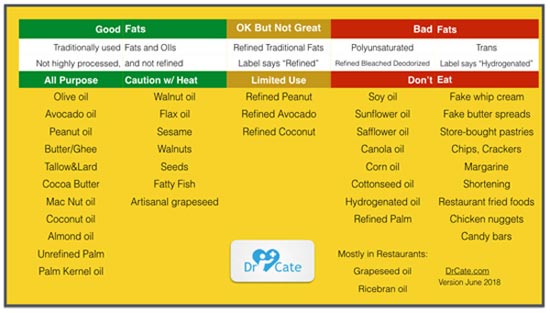
    The list below, obtained from Dr. Cate Shanahan, author of "Deep Nutrition: Why Your Genes Need Traditional Food," summarizes some of the best and worst fats found in our modern diet. Replacing the bad fats in your diet with ones from the "good" list is a simple way to safeguard your health without making any radical changes.
    To learn more about the ins and outs of dietary fats, pick up a copy of my latest book, "Superfuel: Ketogenic Keys to Unlock the Secrets of Good Fats, Bad Fats, and Great Health," cowritten with James DiNicolantonio, Pharm.D., which gives more in-depth specifics on how to discriminate between healthy and harmful dietary fats.
    good and bad fats

Saturday, 28 April 2018

Coconut Oil And Baing Soda - A Natural Facewash

Natural Facewash


 Back to Mother Nature!

THIS Is What Happens To Your Face After Washing It With Coconut Oil and Baking Soda

by DailyHealthPost
coconut oil face wash

Baking soda and coconut oil face wash, can be very good for washing your face. Exfoliating your skin has become an increasingly popular part of the beauty routine of men and women alike.
The idea is that the mild abrasive nature from baking soda and coconut oil removes dead skin cells to create an even texture, promotes blood flow and cleanses pores (1).
With increasing awareness about the environmental effect of plastic micro beads found in popular exfoliation products (2), it’s definitely worth looking into more environmentally friendly and non-toxic skincare options.

Wednesday, 29 November 2017

Coconut Oil Fights Deadly Yeast Infections

Coconut Oil - A Great Source Of Health Benefits

Time and again I am reading about the health benefits of Coconut Oil.  Below is just one of them.


Written By:
Sayer Ji, Founder
Coconut Oil Fights Deadly Yeast Infections, Study Suggests
A common food oil has been found to have potent antifungal properties that could literally save lives. 

The coconut palm is perhaps the world's most widely distributed and versatile food-medicine, and has been prized and even revered by indigenous cultures for a wide range of health complaints since time immemorial. Increasingly, scientific evidence is emerging validating its traditionally ascribed health benefits, and more, including supporting brain healthprotecting the heart, and even reducing stress and depression.

But what of anecdotes referring to the presumed antifungal activity of coconut oil? Is there any basis in scientific research to make such claims? 

Indeed, a recent study led by researchers at Tufts University has found that coconut oil is highly effective at controlling the overgrowth of the opportunistic fungal pathogen Candida albicans in mice.
Published in the American Society for Microbiology's journal mSphere and titled, "Manipulation of Host Diet to Reduce Gastrointestinal Colonization by the Opportunistic Pathogen Candida Albicans," the study identified C. albicans as the most common human pathogen, with a mortality rate of about 40% when causing systemic infections.

Thursday, 6 July 2017

Is Coconut Oil Toxic?

Is Coconut Oil Toxic?


 Here we have another of those situations where we have been told for years that Coconut Oil is good for our health.  Now there is doubt about this theory.  Who is right?


Story at-a-glance

  • According to the latest advisory from the American Heart Association (AHA), saturated fats such as butter and coconut oil should be avoided to cut your risk of heart disease
  • Replacing saturated fats with polyunsaturated fats such as margarine and vegetable oil might cut heart disease risk by as much as 30 percent, about the same as statins, the AHA claims
  • The AHA bases its outmoded conclusions on four studies dating back to the 1960s — studies shown to have problematic performance biases

Saturday, 13 February 2016

How To Rid Your Facial Skin Of Toxins

Easy Face Mask

Now and again, it is a good idea to give a detox to your facial skin with the easy face mask.  Coconut Oil is one of the best incredients for skin care anyway.

It is recommended to do this face mask three times a week.  It could not be easier with just two ingredients and a little time to pamper yourself.

Wednesday, 28 January 2015

Uses of Coconut Oil

I was amazed when I read the article below on the many uses of Coconut Oil.  It is so beneficial and so versatile.  In particular, I liked the Mayonaise recipe which I shall use shortly.  See for yourself!

Warmly
Adele Bantle

 Uses of Coconut Oil

Monday, 12 January 2015

Top Foods To Boost Your Brain Power

New Year, resolutions and healthy eating go together.  These top foods can boost your brainpower.   They are everyday foods, no exotic ingredients, just natural healthy herbs, fish and vegetables.

  • Your diet plays a large role in your brain health and can either promote or prevent neurodegeneration
  • Top foods to boost brainpower include turmeric, wild Alaskan salmon, broccoli/cauliflower, walnuts, celery, coconut oil, and blueberries


Top Foods To Boost Your Brainpower