Showing posts with label vitamin D. Show all posts

Wednesday, 14 April 2021

Beware sugar highs: seven healthy ways to get more energy – from stretching to sourdough

Energy 


Beware sugar highs: seven healthy ways to get more energy – from stretching to sourdough

Young people hiking in a forest
A long walk in a forest is great – but even just 10 minutes will have a rejuvenating effect for several hours. Photograph: hobo_018/Getty Images

It’s tempting to use coffee and sweet treats as pick-me-ups, but they are only temporary solutions. Here’s how to keep yourself going for longer

Sirin Kale

Last modified on Mon 5 Apr 2021 11.33 BST


The twin gods of conquering the post-lunch slump are caffeine and sugar. But such pick-me-ups are temporary: while a syrupy latte will help you power through until dinner time, you may well end up lying awake at 3am, staring at the ceiling. What if there were a way to have more energy that wasn’t unhealthy, addictive or expensive? (Those takeaway coffees add up.) Here, some experts weigh in.

Get moving

Woman and child exercising indoors
‘Find a way to move that will give you energy, rather than using exercise to tire yourself out.’ Photograph: Justin Paget/Getty Images

“Use exercise to nourish you, not punish you,” says Sarah Russell, a clinical exercise specialist who works with people with cancer. “Find a way to move that will give you energy, rather than using exercise to tire yourself out.”

To find motivation to get moving, even when you are feeling worn out or low, Russell encourages her clients to focus on achievable goals. “Even 10 minutes of movement will energise you,” she says. “Push away those images the fitness industry is always trying to sell you, of people in Lycra with weights or out running. Do some stretching, if you feel up to it. Because something is always better than nothing – and it will always lead to more.”

Carbohydrates are your friend

Sourdough bread
‘Carbohydrates provide us with glucose, which is the body’s preferred energy source.’ Photograph: Alison Thompson/Alamy

“The main reason people struggle with low energy is because they’re either not eating enough throughout the day or they’re not eating enough carbohydrates,” says Priya Tew, a registered dietitian. Contrary to what diet culture teaches us, carbohydrates are not the enemy. “Carbohydrates provide us with glucose, which is the body’s preferred energy source,” says Tew. “You want to balance the energy coming from carbohydrates by eating protein and healthy fats, too, as this helps stabilise your energy levels, giving you more lasting energy over the day.” This is all to say: pass the lockdown sourdough.

Check your iron levels

Iron deficiency, also known as anaemia, can cause symptoms including tiredness, lack of energy and shortness of breath. It is more common in women, often due to heavy periods or pregnancy, and can be treated by changes to your diet. Include more dark-green leafy vegetables, iron-fortified cereals and pulses, as well as iron supplements, if necessary. “It’s always a good idea to have your iron levels checked by a doctor if you’re feeling fatigued,” Tew says.

Same goes for vitamin D

“The first sign of vitamin D deficiency can be fatigue,” says Tew. “So do take a vitamin D tablet in winter if you feel you may be deficient.” In April 2020, Public Health England recommended that Britons take a daily dose of vitamin D, as a result of the public’s reduced exposure to the sun during lockdown.

Be wary of sugar highs
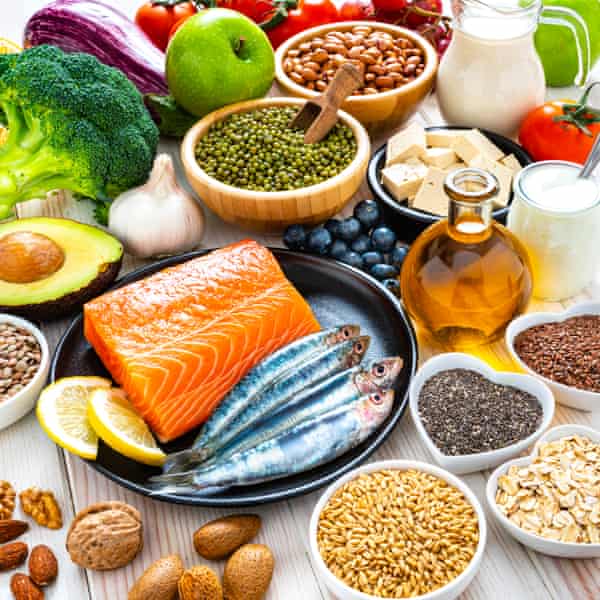
Oily fish, pulses, nuts and vegetables
A balanced diet comprises wholegrains, carbs, proteins, fruit, vegetables and healthy fats. Photograph: fcafotodigital/Getty Images

Look, sugary snacks work: you do feel more awake afterwards. But a doughnut a day will certainly not keep the doctor away. “High-sugar foods will give you an initial surge in energy, but then your energy levels will plummet down,” says Tew. “I call it the blue Smartie effect.”

Instead, “focus on eating balanced meals and snacks with fibre-rich wholegrains, carbohydrates, proteins, fruit and vegetables, plus healthy fats,” says Tew. “The B vitamins found in wholegrains will help you release energy from foods.” Also, avoid alcohol. “It will make you feel tired the next day as your body processes it,” says Tew.

Go outside

Research from the University of Rochester, published in the Journal of Environmental Psychology, has found that spending time outside in nature can have a powerfully invigorating effect. “When people walk out in nature, they get a boost in vitality or energy,” says Prof Richard M Ryan from the university. “This brighter mood lasts for longer and has a more powerful effect than things like drinking coffee or eating chocolate.”

Crucially, you need to be engaged with nature when out walking in it. “You can’t be on your mobile phone,” says Ryan. “You need to allow yourself to be immersed in the world around you.” But the walk doesn’t have to be long – just 10 minutes will have a rejuvenating effect for several hours. “A lot of us feel draggy in the day and reach for that cup of coffee,” says Ryan. “But the evidence shows that we would be better served by taking a break and walking outside.”

Don’t slam yourself in the gym

Woman exercising with dumbbell at home
Don’t beat yourself up – find the exercise that works for you. Photograph: kate_sept2004/Getty Images

“People often beat themselves up if they feel like they’re not doing hard enough workouts,” says Russell. “And then they end up not doing anything at all.” The best exercise routine is a consistent one. “If people are struggling to find energy to exercise, it becomes a vicious circle,” says Russell. “They lose more muscle and become less active – and even more lethargic.”

Russell recommends home-based strength work, such as chair squats or bicep curls using small hand weights (or tins). Pilates is also a great way to strengthen your core without having to pay for expensive equipment; there are plenty of free YouTube videos online. Above all, Russell says, “find the exercise that works for you”.

Friday, 27 November 2020

2 types of people need vitamin D the most this winter

Vitamin D 


Give a shoutout to Michele Blackwell on social or copy the text below to attribute.


Winter is upon us and so is the risk of vitamin deficiency.

Winter is upon us and so is the risk of vitamin D deficiency and infections. Vitamin D, which is made in our skin following sunlight exposure and also found in oily fish (mackerel, tuna, and sardines), mushrooms, and fortified dairy and nondairy substitutes, is essential for good health. Humans need vitamin D to keep healthy and to fight infections. The irony is that in winter, when people need vitamin D the most, most of us are not getting enough. So how much should we take? Should we take supplements? How do we get more? And who needs it most?


I am a medical microbiologist and immunologist who studies the functions of vitamin D in immune cells. My laboratory has been interested in figuring out why the immune system has vitamin D receptors that determine which cells can use vitamin D. In the immune system, vitamin D acts to improve your ability to fight infections and to reduce inflammation.

Where to get your vitamin D

Vitamin D is called the sunshine vitamin since it is made in the skin after exposure to the Sun. The same UVB rays that cause a sunburn also make vitamin D. Sunscreen, darker skin pigmentation, clothing, and reduced daylight in winter diminish the skin’s ability to make vitamin D. The people who experience the biggest seasonal swings in vitamin D levels are fair-skinned individuals living in the northern regions of the US and at higher latitudes around the globe where there is very little daylight in winter.

But those most at risk for low vitamin D levels are people of color and people living at higher latitudes. Dark-skinned individuals are more likely than fair-skinned individuals to be low for vitamin D year-round because the darker skin blocks the UVB rays from producing vitamin D. However, even in dark-skinned individuals, vitamin D is lowest in the winter.

In the winter, in addition to high vitamin D food, adults should take additional vitamin D from foods and/or supplements to get at least 600 IU per day of vitamin D. People who have dark skin or avoid sunshine should eat more vitamin D year-round.


Food rich in vitamin D. ansonmiao/E+/Getty Images

Vitamin D is important for bones and your microbes

Originally, doctors thought that vitamin D was only important for bone health. This was because vitamin D deficiency caused bone diseases like rickets in children and osteoporosis in adults. However, in the 1980s scientists discovered that immune cells had receptors for vitamin D.

My group’s research has shown that vitamin D plays an important role in maintaining health in the gastrointestinal tract. Higher levels of vitamin D reduce susceptibility to inflammatory bowel disease and Crohn’s disease, gut, and lung infections in animals and people.

My colleagues and I have discovered that one of the ways vitamin D functions is by keeping the microbes in the gut healthy and happy. Vitamin D increases the number and diversity of microbes living in the gut, which together reduce inflammation throughout the body.

Low vitamin D levels are associated with inflammatory bowel disease in humans. Researchers have found that inflammatory bowel disease patients in Japan have more symptoms in winter than during other season

s. 


People with darker skin are most likely to have low vitamin D levels year-round.Westend61/Getty Images

Why is vitamin D more important in winter?

In the winter, humans are exposed to more infections and spend less time outside. Exactly how much vitamin D healthy adults should have is debated. Some authorities recommend 200 IU per day to 2,000 IU per day. In the US, the Institutes of Medicine recommends 600-800 IU per day for adults, while the Endocrine Society states that optimal vitamin D status may require 1500-2,000 IU per day. In the winter, people have a reduced ability to make vitamin D when they go outside, so amounts of at least 600 IU per day of vitamin D from food or supplements would help maintain vitamin D status at summer levels.

But, just like many things, too much vitamin D can be harmful. Vitamin D toxicity does not result in too much sun or food. Because of the risk of skin cancer, dermatologists and other health professionals do not recommend unprotected sun exposure to boost your vitamin D. Instead they suggest supplements. But vitamin D toxicity can occur if an individual takes too many.

The experts that set the national intakes of vitamin D for the US recommend that adult individuals take no more than 4,000 IU per day of vitamin D to avoid toxic side effects. Vitamin D helps you absorb calcium from your diet, but when vitamin D is too high, calcium levels in the blood go up and that can lead to kidney disease.

By consuming more vitamin D during the winter, your gut microbes will be healthier and you’ll be more resistant to infection and inflammation year-round.

This article was originally published on The Conversation by Margherita T. Cantorna. Read the original article.


Friday, 7 August 2020

Vitamin D Twice a Day May Keep Vertigo Away

Vitamin D Twice a Day May Keep Vertigo Away:

Having suffered from Vertigo, I was interested in this post and felt it might shed light on this condition for other people.

Newswise — MINNEAPOLIS –  Taking vitamin D and calcium twice a day may reduce your chances of getting vertigo again, according to a study published in the August 5, 2020, online issue of Neurology®, the medical journal of the American Academy of Neurology. ­­­­

“Our study suggests that for people with benign paroxysmal positional vertigo, taking a supplement of vitamin D and calcium is a simple, low-risk way to prevent vertigo from recurring,” said Ji-Soo Kim, M.D., Ph.D., of Seoul National University College o

f Medicine in Korea. “It is especially effective if you have low vitamin D levels to begin with.”
Benign paroxysmal positional vertigo happens when a change in head position gives you a sudden spinning sensation. It’s one of the most common types of vertigo. Treatment includes a doctor performing a series of head movements that shift particles in the ears that cause the vertigo, but the condition tends to recur frequently. About 86% of people with this form of vertigo find that it interrupts their daily life or causes them to miss days at work.

The study looked at 957 people in Korea with benign paroxysmal positional vertigo who were treated successfully with the head movements. The participants were separated into two groups, intervention and observation.

The 445 people in the intervention group had their vitamin D levels taken at the start of the study. The 348 people with vitamin D levels below 20 nanograms per milliliter (ng/mL) were started on supplements with 400 international units of vitamin D and 500 milligrams of calcium twice daily, while those with vitamin D levels equal to or greater than 20 ng/mL were not given supplements.
The 512 people in the observation group did not have their vitamin D levels monitored and they did not get supplements.

Those in the intervention group who took  the supplements had a lower recurrence rate for vertigo episodes after an average of one year than those in the observation group. People taking supplements had an average recurrence rate of 0.83 times per person-year, compared to 1.10 times per person-year for those in the observation group, or a 24% reduction in the annual recurrence rate.

There appeared to be greater benefit for those who were more deficient in vitamin D at the start of the study. Those who started with vitamin D levels lower than 10 ng/mL saw a 45% reduction in annual recurrence rate, while those starting with vitamin D levels at 10 to 20 ng/mL saw only a 14% reduction.­ A total of 38% of the people in the interventional group had another episode of vertigo, compared to 47% of those in the observation group.

“Our results are exciting because so far, going to the doctor to have them perform head movements has been the main way we treat benign paroxysmal positional vertigo,” said Kim. “Our study suggests an inexpensive, low-risk treatment like vitamin D and calcium tablets may be effective at preventing this common, and commonly recurring, disorder.”

A limitation of the study is that a large number of participants did not complete the entire study, with more people assigned to take the supplements dropping out of the study than in the observation group.

This study was supported by the Korean Ministry of Health and Welfare.
Learn more about the brain at BrainandLife.org, home of the American Academy of Neurology’s free patient and caregiver magazine focused on the intersection of neurologic disease and brain health. Follow Brain & Life® on Facebook, Twitter and Instagram.

The American Academy of Neurology is the world’s largest association of neurologists and neuroscience professionals, with over 36,000 members. The AAN is dedicated to promoting the highest quality patient-centered neurologic care. A neurologist is a doctor with specialized training in diagnosing, treating and managing disorders of the brain and nervous system such as Alzheimer’s disease, stroke, migraine, multiple sclerosis, concussion, Parkinson’s disease and epilepsy.
For more information about the American Academy of Neurology, visit AAN.com or find us on Facebook, Twitter, Instagram, LinkedIn and YouTube.

Tuesday, 10 March 2020

Essential Nutrition to Protect Yourself From Coronavirus

Coronavirus


Story at-a-glance

  • According to bioweapons expert Francis Boyle, evidence suggests COVID-19 is a weaponized coronavirus originating from the Biosafety Level 4 facility in Wuhan City, China
  • COVID-19 appears to be a chimera consisting of SARS (an already weaponized coronavirus), HIV genetic material and influenza virus, designed with gain of function properties that allow it to spread a greater distance than normal
  • Others have suggested COVID-19 may involve Prevotella, a bacterium known to cause respiratory tract infections, and that this may explain some of the observed symptoms and how it can spread through feces
  • RNA sequencing data from Wuhan show millions of Prevotella proteins amid a few thousand COVID-19 viruses. Prevotella bacteria was also found in six COVID-19 patients from the same family in Hong Kong
  • Supplements thought to be useful in the prevention of coronavirus infection include NAC, elderberry, spirulina, beta-glucan, glucosamine, selenium, zinc, lipoic acid, sulforaphane, resveratrol, vitamin D, Bifidobacterium bifidum strain probiotics and sporebiotics


Tuesday, 30 July 2019

How vitamin D keeps you young and thin

Vitamin D

Story at-a-glance

  • Researchers found an association between vitamin D and leptin levels. The hormone leptin is secreted by fat cells in proportion to fat deposits, signaling the hypothalamus to regulate energy balance
  • Researchers have found those with nonalcoholic fatty liver disease (NAFLD) often present with vitamin D deficiency; however, the research into supplementation is not consistent, potentially because supplement doses are not high enough to affect a change
  • Vitamin D is metabolized in the liver and undergoes further hydroxylation in the kidney, producing 1,25 dihydroxyvitamin D3, upregulating a transcription factor used to reduce reactive oxygen species and decrease cellular aging
  • Vitamin D insufficiency is linked to several negative health conditions, including cancer and cardiovascular disease. While it is best to optimize vitamin D levels with safe sun exposure, if you find supplementation is necessary after a serum vitamin D test, also supplement with magnesium and vitamin K2 (MK-7)
Your body needs vitamins and certain nutrients to grow and develop normally. Vitamin D is one of them. Although not technically a vitamin — it's actually a fat-soluble hormone that transforms into vitamin D in your body — it's important to several different bodily processes. It's not commonly found in foods, but is added to some processed foods. It's also available in supplement form.1,2
Optimally, your body will make vitamin D when your skin is exposed to sunlight; hence, it's also known as the sunshine vitamin.3 As mentioned, it plays a number of roles in the body, including helping the gut absorb calcium necessary for strong bones,4 modulating cell growth and optimizing your neuromuscular and immune functions.5
To date, the best indicator of vitamin D status is your serum (blood) concentration of 25-hydroxy Vitamin D, also called 25-OH vitamin D.6 Blood test results serve as a biomarker of your exposure to vitamin D.7
Chronic deficiency results in bone diseases, such as rickets and skeletal deformities. Research has also demonstrated that insufficiencies8 are associated with disease.9,10 Most recently scientists are now looking at the association between vitamin D and leptin,11 a hormone which controls your hunger,12 and the effects vitamin D may have on antiaging.13

Physiological link between leptin, vitamin D and adipose

Canadian researchers looked at the association between elevated leptin levels, vitamin D deficiency and their relationship to adipose tissue.14 They enrolled 113 men with a sedentary lifestyle who had abdominal obesity, were not taking a vitamin D supplement or had dyslipidemia.
The participants were involved in a lifestyle modification program over one year during which they were individually counseled by a nutritionist and kinesiologist every two weeks for the first four months. The goal was to reduce their calorie intake by 500 calories per day and increase their daily physical activity and exercise.15
After the first four months, the participants continued to be counseled once a month. At the beginning and end of the one-year study, a CT scan was done to map adipose deposits. Cardiometabolic biomarkers were also measured.
The researchers found that after making lifestyle changes, participants showed an increase in their vitamin D levels that was inversely correlated with their leptin levels.16 In other words, as their vitamin D levels rose, their leptin levels fell.
The participants were taking more steps per day and their heart rates were lower at a treadmill pace lower than their maximum effort after one year. Additionally, the researchers found an association between levels of vitamin D and the volume in adipose tissue deposits.17
The scientists felt this supported a possible physiological link between the two measurements which was independent from fat cell deposits. This led to a recommendation for lifestyle modifications to lower leptin levels in the clinical management of vitamin D deficiency.18

Interaction of leptin and weight management

The hormone leptin is directly connected to body fat and obesity, making it important for those who are struggling with weight management. It is an adipokine, or a cell signaling protein (cytokine) released by fat cells in proportion to the fat deposits.19 For a long time, fat tissue was considered to be the body's inert tissue for storing energy.20
In 1994, the discovery of leptin marked an immediate change in an understanding of the function of body fat.21 There are two forms of fat tissue, white and brown. Brown adipose tissue is found more frequently in newborns, distributed above the collarbone and around the neck area.22 The primary function is generating heat.
White adipose tissue is located throughout the body, and sometimes referred to as subcutaneous or visceral fat.23 One of the physiological functions of white fat is to regulate metabolism through the secretion of leptin.24 Leptin sends signals to the hypothalamus, where it helps regulate your energy balance and turn on or turn off your hunger response.
For instance, lower levels of leptin will trigger an increase in your appetite. But, because leptin is secreted in proportion to the amount of fat cells in your body, as you lose weight, your appetite increases with lower levels of the hormone.25 This can make weight management more challenging.
As you produce more fat cells, they produce more leptin, which normally lowers the appetite. Your body does this to maintain a homeostatic level of fat deposits. However, with obesity, the body may become leptin resistant, which is a lack of sensitivity to the hormone.26
When this happens, you may continue eating because you don't feel satisfied. The body then produces more leptin, which increases the levels and continues to drive resistance. Some people are born having a leptin deficiency; this signals uncontrollable hunger, increases energy intake and leads to both severe childhood obesity and delayed puberty.27

Is there a link between vitamin D and NAFLD?

Results of several studies evaluating links between vitamin D and nonalcoholic fatty liver disease (NAFLD) are not consistent, suggesting there may exist another factor not yet explored affecting the results of these studies, including the supplementation dosage of vitamin D that should be used.
A recent, community-based study performed in Taiwan28 sought to look at the association between levels of vitamin D and NAFLD. They studied concurrent symptoms of metabolic syndrome, high C-reactive protein and high levels of adipokines, including leptin.
Those who had viral hepatitis B or C, frequently drank alcohol, took a vitamin D supplement, steroid treatments, were pregnant or refused an abdominal ultrasound were excluded from the study. In the end, 564 individuals with fatty liver but no viral or alcoholic liver disease were included in the NAFLD group.
The control group contained 564 individuals matched for age and gender to the experimental group, who had normal ultrasound findings and liver function tests. The researchers found those who had deficient or insufficient vitamin D levels had a higher risk of metabolic syndrome.29
However, they did not find that vitamin D insufficiency or deficiency, as defined by the study protocol, increased the risk of having NAFLD as compared to those who had a sufficient vitamin D level.30 In this study, normal was considered 30 nanograms per milliliter (ng/mL), insufficiency was 20 to 30 ng/mL and those who had levels less than 20 ng/mL were considered deficient.
One systematic review of randomized controlled studies on the relationship between vitamin D deficiency and NAFLD found supplementation with vitamin D may improve symptoms.31 Another found epidemiological studies point toward an association and reinforce the rationale that supplementation may help manage NAFLD.32
Other research finds the common coexistence of vitamin D deficiency and NAFLD ay suggest a plausible treatment, but the limited number of prospective studies in humans and the lack of consensus in studies led the researchers to conclude it is premature to recommend supplementation with vitamin D for the specific treatment.33
The inconsistent evidence may be related to the supplementation dosages used to measure change in those with NAFLD or nonalcoholic steatohepatitis (NASH).34 NASH is a form of NAFLD, which includes hepatitis.35 In one study using daily supplementation of vitamin D with 2000 IUs for six months, low levels of vitamin D were not corrected.36

Vitamin D plays a role in antiaging

Vitamin D is metabolized in the liver to form 25-hydroxy (OH) vitamin D. This then travels to the kidneys where further hydroxylation forms 1,25 dihydroxyvitamin D.37 The authors of one study38 looked at the hypothesis that 1,25 dihydroxyvitamin D3 may have an antiaging effect.
They tested the theory that the vitamin would upregulate nuclear factor (erythroid derived 2)-like 2 (Nrf2), thus reducing reactive oxygen species and DNA damage.39 In the body, reactive oxygen species are balanced by an antioxidant system regulated by pathways to ensure response. Nrf2 is found to be one regulator of resistance to oxidants.40
Nrf2 has the effect of reducing reactive oxygen species and decreasing DNA damage. In combination with increasing cell proliferation and reducing cellular aging, researchers were able to demonstrate that mice deficient in 1,25 (OH)2 D3 survived only 3 months on average.
However, when the diets of the mice were supplemented with dietary calcium and phosphate, it prolonged their lifespan to more than eight months. These same types of mice were then supplemented with exogenous 1,25 (OH)2 D3, and it resulted in prolonging the average life of the experimental mice to more than 16 months.41
The researchers suggest the data demonstrate 1,25 (OH)2 D3 plays a part in extending life through the upregulation of Nrf2 and the subsequent inhibition of oxidative stress and DNA damage.42
The role that Nrf2 may play in a number of different conditions is now being explored, such as its effects on cardiovascular risk in metabolic disease,43 cancer44 and chronic diseases.45 Some are also evaluating the role Nrf2 transcription factor may have in protecting against Type 2 diabetes.46

Vitamin D insufficiency linked to negative health conditions

According to research47 published in June 2018, an estimated 40% of Americans are deficient in vitamin D. This means that they have a vitamin D blood level that is lower than 50 ng/mL. "Sufficiency" means having a level of 50 ng/mL or higher.
Seventy-seven percent of American adults and teens are deficient in vitamin D when a sufficiency level of 30 ng/mL is used.48 However, the sufficiency level recommended by the National Institutes of Health is not nearly high enough to prevent some chronic illnesses,49 which is currently recommended at greater than or equal to 20 ng/mL of serum vitamin D.50
Optimizing your vitamin D levels has been shown to have a powerful effect on health, helping to protect against a wide variety of diseases, including dry eye, cardiovascular disease, Alzheimer's disease and obesity. You'll find more of the health conditions affected by vitamin D in my past article, "Top 5 Signs of Vitamin D Deficiency."

What affects your vitamin D level?

There are several factors that influence your personal vitamin D levels. By knowing and understanding these, you may determine the best way to attain optimal levels. According to Harvard Health publishing, these are the top six factors:51
Geography — The farther away you are from the equator, the less UVB light you get during the winter months.
Air pollution — Carbon particles in the air will slow vitamin D production as they absorb UVB rays.
Sunscreen — Liberal use of sunscreen may prevent sunburn, but it also lowers vitamin D production.
Skin color — People with dark skin need more UVB exposure than those with light skin.
Weight — Body fat absorbs vitamin D, as it's a fat-soluble vitamin. Obesity is correlated with low vitamin D levels, which may also affect bioavailability.
Age — Older individuals will produce less vitamin D than younger people.

Optimize your vitamin D levels

Although it is best to optimize your vitamin D levels with safe sun exposure, you may need additional supplementation if you are affected by one or more of the factors discussed above.
Research52 involving a community-based group of 3,667 participants with a mean age of 51.3 years, produced data that suggest it would require 9,600 IUs of vitamin D per day to get 97.5% to reach 40 ng/mL.
However, individual requirements vary widely based on a variety of factors, and you need to take whatever dosage required to get you into the optimal range. The only way to gauge how much you need is to have your levels tested, ideally twice a year.
You should test once in the early spring, after the winter months to make sure you took enough throughout the winter, and again in the early fall when your level is at its peak. You are aiming for a level between 60 and 80 ng/mL, with 40 ng/mL being the lowest cutoff for sufficiency.53,54 In fact, new research in 2018 showed that the optimal levels for cancer prevention are between 60 and 80 ng/mL.
Aside from determining your ideal dose of vitamin D3, you also need to make sure you're getting enough vitamin K2 (to avoid complications associated with excessive calcification in your arteries), calcium and magnesium.
Research55,56 has shown that taking high doses of vitamin D with an insufficient magnesium level reduces your body's ability to utilize vitamin D. Magnesium is required for the activation of vitamin D so, when it's low, vitamin D may be stored in its inactive form.
This may help explain why so many people may need rather high doses of vitamin D to optimize their levels. According to this review, as many as 50% of Americans taking vitamin D supplements may not get significant benefit due to insufficient magnesium levels.
It's vital that you take vitamin D with sufficient amounts of vitamin K2 (MK7) as both are required to slow the progression of arterial calcification.57 Vitamin K2 in the MK-7 form has been found to be bioactive. It regulates atherosclerosis, cancer, inflammatory diseases and osteoporosis.58
Vitamin K2 may lower the risk of damage to the cardiovascular system by activating a protein that prevents calcium from depositing in the walls of your blood vessels.59


Thursday, 18 July 2019

6 Ways to Reverse Hair Loss

6 Ways to Reverse Hair Loss:

 A condition plaguing over 80 million men and women in the United States alone, hair loss a condition that not only indicates possible health issues but can also profoundly diminish quality of life

Views 8454

A condition plaguing over 80 million men and women in the United States alone, hair loss a condition that not only indicates possible health issues but can also profoundly diminish quality of life. Here we provide in-depth, actionable information that can provide hair loss sufferers with tools they need to reverse hair loss

Hair loss, although not a life-threatening condition, can be a significant source of social stigma and pose a profound detriment to quality of life. However, it is readily reversible in many cases once the underlying cause is identified and remediated.
In many cases, it can be rectified by optimizing vitamin and mineral status, since vitamins and minerals play a critical role in the hair cycle and in particular in the rapid turnover of the matrix cells residing within the follicle bulb (1). In fact, many of the overt nutritional deficiency diseases are associated with prominent hair loss, showcasing how crucial our diets are not only for prevention of pathology, but also for visible signs of health such as healthy hair.
For example, in the eighteenth century, James Lind documented that scurvy, the vitamin C deficiency disease that historically afflicted sailors on long voyages, was linked to dermatological symptoms including skin hemorrhage and hair loss (1). Other conditions of protein-energy malnutrition including kwashiorkor and marasmus, can also be associated with profound hair loss, underscoring how important diet is to hair quality (1).
Although hair loss is multifactorial, there are several common-sense steps that can be systematically examined and addressed in order to fix it, as outlined below. Many of the approaches elucidated are diet-related, as hair is a rapidly proliferating organ, which therefore requires much of the blood supply and the provision of adequate nutrition.
1. Eat a nutrient-dense diet replete in B vitamins
Human hair, which is comprised of approximately 100,000 hair follicles, grows in three phases, including the active growing or "anagen phase," which represents 90% of the hairs, the degeneration or "catagen phase," representing less than 10% of hairs, and the resting or "telogen phase" in which hair is shed, representing 5% to 10% of the hairs (2). During the anagen phase in particular, essential dietary elements including vitamins, minerals, and protein are required.
Deficiencies in the water-soluble vitamin B complex are particularly implicated, since B vitamins play a foundational role in cell metabolism. Because folate and vitamin B12, for example, are active in the production of nucleic acids, they may play a role in the highly proliferative hair follicle (1). Although research is inconsistent, some findings are confirmatory of these deficiencies in conditions of hair loss, such as one study which showed that mean red blood cell folate was significantly suppressed in patients with alopecia areata (AA) (Yousefi 3). Folate is present in a variety of foods, with some of the highest food sources including beef liver, spinach, black-eyed peas, asparagus, and Brussels sprouts.
Vitamin B12 sufficiency is also quintessential to hair growth since it affects the synthesis of almost 100 different substrates including RNA, DNA, and proteins (1). In some investigations, as many as half of the individuals eating a vegan diet were categorized as vitamin B12 deficient (Gilsing 4), since B12 is found exclusively in animal products. Foods naturally rich in vitamin B12 include clams, beef liver, trout, and sockeye salmon, and fortified nutritional yeasts also contain B12 (6 Health Prof Fact Sheet B12). 
Deficiencies in riboflavin (vitamin B2) may likewise contribute to hair loss. A precursor of flavin cofactors of the electron transport chain known as flavin mononucleotide (FMN; also known as riboflavin-5'-phosphate) and flavin adenine dinucleotide (FAD), riboflavin is instrumental to the series of redox reactions within the inner mitochondrial membrane that serve to generate cellular energy. Riboflavin is important not only for metabolism of macronutrients but it is also important for cell function, growth, and development and is used as an antioxidant for the immune system and for healthy skin and hair (5).
Pregnant and lactating women, vegans, older adults, alcoholics, people with certain disorders such as Brown-Vialetto-Van Laere syndrome (BVVL), and women on oral contraceptive pills are at risk for riboflavin deficiency (5). The best non-fortified sources of riboflavin are organ meats, with beef liver topping the list. Lean meats, clams, mushrooms, almonds, eggs, quinoa, and salmon also contain moderate amounts.
Lastly, biotin (vitamin B7) is one of the most recommended supplements for reversing hair loss, due to its role as a coenzyme for carboxylase enzymes which play a role in metabolic reactions critical to maintenance of healthy hair such as fatty acid synthesis, gluconeogenesis, and branched-chain amino acid catabolism (6). Although skin rashes, brittle nails, and hair loss are all signs of biotin deficiency, researchers state that large-scale studies do not support the efficacy of biotin supplementation (1).
Even so, biotin deficiency warrants exploration in cases of hair loss, especially where risk factors for biotin deficiency, such as alcoholism, pregnancy, malabsorption, and use of medications including valproic acid and isotretinoin, which disrupt activity in the enzyme biotinidase, are present (1). Excessive consumption of raw eggs can also deplete biotin, because avidin in the egg whites attaches to biotin and interferes with its absorption (1). Cooking eggs can circumvent this problem since it destroys the avidin particles.
A foods-first approach is the safest bet, as long as absorptive processes are intact, because foods contain synergistic nutrients to prevent the genesis of imbalances which can occur with supplementation--and especially with the megadose supplementation which is oftentimes recommended. Beef liver again tops the list as the richest source of biotin followed by whole eggs, with pink salmon, pork chops, hamburger patties, sunflower seeds, and sweet potato also containing fair but comparatively lower amounts.
Other than B vitamins, there are many other essential nutrients for hair growth that go well beyond the scope of this article. However, optimizing digestion and eating a phytonutrient-rich diet consistent with evolutionarily compatible eating principles--with a plate predominated by organic fruits and vegetables, roots and tubers, nuts and seeds, pseudograins such as amaranth, buckwheat, and quinoa where tolerated--alongside sustainably and humanely raised animals and seafood for those who eat from an omnivore template--will help to buffer against nutrient deficiencies.
2. Address Thyroid Dysfunction
It has been well-elucidated within the scientific literature that various endocrine disorders, including hypothyroidism, hyperthyroidism, and parathyroid disorders, can contribute to hair loss (7). Disorders of the thyroid gland, the butterfly-shaped gland that sits at the base of the neck, are implicated in hair loss since thyroid hormone is critical to development and maintenance of the hair follicle (7).
Hashimoto's thyroiditis, an autoimmune thyroid condition, is the most common cause of hypothyroidism, and should always be investigated in cases of hair loss. To assess thyroid status, a comprehensive thyroid panel including the following biomarkers should be ordered by a holistic physician well-versed in thyroid lab interpretation and optimization:
  • free T3 (fT3)
  • free T4 (fT4)
  • reverse T3
  • thyroid peroxidase (TPO) antibodies
  • thyroglobulin (TG) antibodies
Although a multifaceted, holistic approach is required to treat Hashimoto's thyroiditis, foundational first steps include removal of pro-inflammatory food proteins such as gluten. Not only does celiac disease occur twelve times more frequently in individuals with Hashimoto's relative to the general population (8), but antibodies produced against gluten can cross-react with the thyroid gland.
Gluten is also known to produce leaky gut syndrome, wherein the selective gates between intestinal cells become excessively permeable, allowing for the trafficking of undigested food proteins, microbial byproducts, endotoxins, and foreign agents into systemic circulation (9). This influx of inflammatory components provokes an immune response that can culminate in autoimmune response against the thyroid and other tissues.
The approach to treating Hashimoto's thyroiditis is complex, and is best done in conjunction with a naturopathic doctor or functional medicine practitioner. However, as is the approach for all autoimmune diseases and chronic illnesses more broadly, addressing the pillars of health and restoring an evolutionarily compatible lifestyle with sun exposure, nature, grounding, community, restorative sleep, and an anti-inflammatory, low-antigen diet free of immunoreactive foods such as gluten, dairy, and soy--as well as replete in thyroid-supportive micronutrients--should top the list of interventions.
3. Check Your Vitamin D Levels
Vitamin D is a fat-soluble vitamin necessary for the balance of the three distinct arms of the immune system: Th1, Th2, and Th17. Generally, polarization to the Th1 or Th17 immune responses away from the Th2 response results in excessive inflammation, tissue damage, and possible autoimmunity (10). In other words, without adequate vitamin D, the scales may be tipped in the direction of an inflammatory cascade that leads to immune dysfunction. Thus, vitamin D's immunomodulatory effects are undeniably essential for healthy immune responses (11).
A robust body of literature not only informs us of the presence of vitamin D receptors in the hair follicle but also demonstrates a clear connection between vitamin D deficiency and the development of alopecia areata (AA), a form of hair loss with autoimmune implications (12). One hallmark feature of AA is an increased production of Th1-type signaling molecules like interleukin-2 (IL-2) and interferon γ (IFNγ) in and around the hair follicle. Specifically, IFNγ is known to be a potent inhibitor of hair growth (13). These findings give us a deeper understanding as to how vitamin D deficiency and the corresponding immune dysfunction could be involved with the pathogenesis of AA.
However, conflicting findings in the research suggest that AA may not always boil down to a vitamin D deficiency itself. In some cases of AA, a decrease in vitamin D receptor expression and a resultant decrease in vitamin D activity might also contribute (12).
Treating a vitamin D deficiency is usually quite simple. Sun exposure provides a cost-free abundance of vitamin D. However, in winter months or in northern latitudes, supplementation and proactive food consumption might be needed to bolster vitamin D levels. In this case, supplementation with the bioavailable vitamin D3 as opposed to vitamin D2 is prudent. Fatty cold-water fish such as wild-caught salmon, sardines, and mackerel and organic, pasture-raised ghee provide a moderate dose of vitamin D3 in each serving while minimizing the possibility of food intolerances (ghee excludes most immunoreactive dairy proteins).
4. Include Antioxidant-Rich and Anti-Inflammatory Foods In Your Diet
Antioxidant-rich and anti-inflammatory foods are revered as pillars of health for a myriad of reasons. However, their possible applications as treatments in hair loss may give them a more vanity-driven, yet vital application.
Dermal papilla cells (DPCs), cells located at the base of the hair follicle, are responsible for signaling the division of hair follicle cells that leads to hair growth (14). Supporting the integrity and signaling capacity of these cells, then, is of the utmost importance in maintaining hair growth and preventing hair loss.
In cell culture studies, loss of proliferative capacity of DPCs--or the ability of these cells to multiply--is associated with increased markers of oxidative stress, or inflammation (6). Additionally, topical application of lipid peroxides (fats damaged by free radicals) causes cell death of hair follicle cells, leading to the onset of the catagen or shedding phase in the hair cycle. These findings are mirrored by elevated biomarkers of oxidative stress in AA and androgenetic alopecia (AGA), also known as pattern hair loss (15, 16).
What this all means, then, is that inflammation is a potent mediator of hair loss. In addition to the aforementioned Th1 polarization in AA, specific inflammatory molecules are also observed in AGA scalps. In AGA-affected hair follicles, there also seems to be elevated levels of the bacteria strain P. acnes. This particular strain incites the immune system through a release of byproducts called porphyrins (17).
The ensuing response is an activation of IL-1α, a pro-inflammatory cytokine known to inhibit hair growth, and TNF-α, a potent inducer of the inflammatory transcription factor NF-κB which is the gateway to other mediators of inflammation such as prostaglandins, thromboxanes, and leukotrienes. All of this culminates in the production of inflammation-spawning signaling molecules that wreak havoc on hair growth.
By including antioxidant-rich and anti-inflammatory foods as a focus in your diet, you can assist your body in lowering inflammation and mitigating oxidative stress. Try "eating the rainbow" to ensure a diversity of phytonutrients and incorporating fatty fish, turmeric, ginger, and even herbal medicines like cannabinoid-rich full-spectrum hemp oil into your daily routine. 
Some of the plant-based foods with the highest antioxidant potential include berries, such as dried varieties of amla (Indian gooseberry), dog rose, and bilberries, fresh black currants, blackberries, cranberries, crowberries, goji berries, strawberries, and zebeck (red sour berries) (18). An analysis of 581 fruits and vegetables found the following plant foods to contain high levels of antioxidants (18):
  • Artichokes
  • Green and red chili peppers
  • Lemon skin
  • Curly kale
  • Okra flour
  • Apples
  • Plums 
  • Apricots
5. Rule out Anemia
Iron deficiency is the leading global cause of anemia, responsible for 30%-50% of anemia in children and other groups. It is more common in women, with studies illuminating that two billion people worldwide are iron deficient (19). Iron deficiency anemia occurs when the balance of iron intake, iron stores, and iron losses become disturbed and can no longer support production of the body's red blood cells, which carry iron-rich proteins known as hemoglobin.⁣ Hemoglobin is important as a result of its role in tissue oxygenation, or the delivery of oxygen to tissue.⁣
Iron deficiency anemia is more common in multiparous women as well as in minority and low-income populations, but other risk factors include heavy menstrual bleeding, malabsorptive disorders, overexercise, pregnancy, presence of microorganisms that use up iron stores or inhibit its absorption, and consumption of substances which impede iron absorption, such as caffeine, antacid medication, calcium supplements, and dairy⁣.
Although low iron is frequently touted as a cause of hair loss, findings vary, but some research does document a relationship between iron deficiency and conditions of hair loss including female pattern hair loss (FPHL), alopecia areata, alopecia universalis or totalis, and telogen effluvium (20). One study found a significant decrease in hair loss and improvement in serum ferritin concentration in subjects with telogen effluvium who received oral iron therapy (21). Another analytical case-control study found that serum ferritin levels below or equal to 30 ng/mL are strongly associated with telogen hair loss in women of childbearing age without systemic inflammation or other underlying disorders (22). 
To rule out iron deficiency, the following tests should be ordered. Serum ferritin concentration is especially important, as it is reflective of total body iron stores and can signify the very early stages of iron deficiency (20).
  • Serum Iron⁣
  • Ferritin⁣
  • Total iron binding capacity (TIBC)⁣
  • Unsaturated iron binding capacity (UIBC)⁣
  • Transferrin saturation percentage⁣
Although iron supplementation or even intravenous iron infusions may be required in extreme cases, investigating why iron levels are low merits examination. Barring absorptive disorders, restoring iron levels through dietary strategies is oftentimes attainable.
Bioavailability of iron is dependent upon dietary context, as certain components in food can either inhibit or enhance iron absorption. For example, pairing iron with vitamin C-rich foods such as Bell pepper, broccoli, grapefruit, kiwi, oranges, and strawberries can enhance iron absorption. Consuming iron away from certain substances which inhibit iron absorption, such as tannins in coffee, oxalates in tea, polyphenols in cocoa, and phytate in soy will also render it more bioavailable. The "heme iron" present in animal foods, such as organ meats, beef, lamb, turkey, oysters, and clams, is generally more usable than "non-heme iron" in plant foods, including leafy greens, olives, quinoa, pumpkin seeds, legumes, and dark chocolate.
6. Enhance Your Insulin Sensitivity
The metabolic dysfunction known as insulin resistance is a contributor to elevated androgen levels, which is a mediating factor in the pattern hair loss known, again, as androgenetic alopecia (AGA) (17). A loss of cellular sensitivity to insulin forces an elevation in blood insulin levels, also known as hyperinsulinemia. In ovarian cell culture studies, hyperinsulinemia has been shown to increase the expression and enhance the activity of the 5α-reductase enzyme responsible for converting testosterone into powerful androgen dihydrotestosterone (DHT) (23).
DHT can stimulate the proliferation of sebaceous gland cells, the microscopic exocrine glands in the skin that secrete an oil, waxy substance known as sebum that lubricates the skin and hair. The result is increased sebum production (17), allowing pro-inflammatory P. acnes bacteria to readily colonize the hair follicle, leading to inflammatory responses, free radical production, and the need for tissue repair.
This tissue repair is initiated by a growth factor called TGF-β1 responsible for creating fibrous scar tissue. Continual stimulation of this process, as in chronic inflammation and oxidative stress, can lead to a process called perifollicular fibrosis. This can cause restricted growth space inside the hair follicle and choked-off blood supply, eventually leading to hair loss.
To prevent this deleterious sequence of events, restoring insulin sensitivity should be the priority. Inhibiting the insulin resistance cascade prevents insulin-associated DHT spikes, which may help reverse and prevent AGA hair loss. The cause of insulin resistance is still elusive, but there is an emerging trend within the literature that suggests inflammation and oxidative stress are inextricably linked to reduced insulin sensitivity (24). 
Some natural agents with insulin-sensitizing properties include berberine from goldenseal, bitter melon, cinnamon, and alpha lipoic acid. Curcumin, an active constituent within the golden-hued Indian culinary spice turmeric, is particularly effective, with one study showing that it is 400 to 100,000 times more effective than the prescription drug Metformin at activating the mechanism behind glucose uptake (25).
Omega-3s, the polyunsaturated fatty acids within cold-water fatty fish, also possess potent anti-inflammatory properties that may warrant their use for recovering insulin sensitivity. In one systematic review, researchers concluded: "Short-term fish oil supplementation is associated with increasing the insulin sensitivity among those people with metabolic disorders" (26).
Other Variables in Hair Loss
As illustrated, hair loss is a multi-factorial condition that requires a multi-pronged approach. In addition to the aforementioned factors, it is important to manage stress, since stressors can disrupt the finely-orchestrated hormonal symphony and change hair follicle biochemistry. Equally significant is minimizing exposure to environmental toxicants. 
Phthalate-laden, endocrine-disrupting shampoos, conditioners, and styling products as well as chlorinated and fluoridated water not only irritate the hair follicles and can precipitate shedding, but also displace iodine in the thyroid gland and can suppress thyroid function, creating a vicious cycle of hair loss. 
Hair is merely outward manifestation of health, such that we can glean insights into an individual's underlying state of health by assessing hair quality. Luckily, however, because the evidence-based interventions presented here are based in removing the impediments to and restoring the contributors to health--the approaches that bolster hair quality are also oftentimes accompanied by the fortunate byproduct of improving your quality of life and wellness overall.
If hair loss is getting you down, visit the GreenMedInfo database on the subject for more on natural ways to fight this condition. 

MedInfo.com, Journal Articles

Tuesday, 11 June 2019

Study Links Poor Sleep with Poor Nutrition

Study Links Poor Sleep with Poor Nutrition 


Many Americans get less than the recommended amount of sleep, and many do not consume the recommended amounts of important vitamins and minerals. A new study suggests the two factors may be connected.

Newswise — Baltimore (June 9, 2019) – Many Americans get less than the recommended amount of sleep, and many do not consume the recommended amounts of important vitamins and minerals. A new study suggests the two factors may be connected.

The research is based on data from the National Health and Nutrition Examination Survey (NHANES), a nationally representative sample of U.S. adults. Compared with people who got more than seven hours of sleep per night—the amount the Centers for Disease Control and Prevention recommends for adults—scientists found that people who got fewer than seven hours of sleep per night on average consumed lower amounts of vitamins A, D, and B1, as well as magnesium, niacin, calcium, zinc and phosphorus.

The study also found a greater number of nutrients were associated with poor sleep in women than in men. This number was reduced if women took dietary supplements, suggesting that supplements can help fill the gaps where a person’s diet is not providing the necessary nutrients.

“This work adds to the body of growing evidence associating specific nutrient intakes with sleep outcomes,” said lead study author Chioma Ikonte, director of nutrition science at Pharmavite, LLC. “Our findings suggest that individuals with short sleep duration might benefit from improving their intake of these nutrients through diet and supplementation.”

Ikonte will present the research at Nutrition 2019, the American Society for Nutrition annual meeting, held June 8-11, 2019 in Baltimore. In addition to the findings on sleep duration, the research suggests nutrients may also play a role in sleep disorders, poor sleep quality and trouble falling asleep.

Micronutrients are vitamins and minerals that our bodies require but do not produce. As a result, they must come from our diet. Globally, billions of people suffer from at least one micronutrient deficiency.

Previous studies have demonstrated important roles for micronutrients in growth and development, disease prevention and healing, and normal bodily functions, including sleep. Magnesium, for example, helps the body produce melatonin and other compounds involved in sleep. Some studies suggest zinc plays a role in sleep regulation.

However, the researchers cautioned that the study was a retrospective analysis, not a randomized controlled study, so cannot prove cause and effect.
 
“Whether chronic short sleep causes nutrient insufficiency or the nutrient insufficiency causes short sleep still needs to be determined,” said Ikonte. “A clinical study that investigates [impacts of] supplementation with these nutrients on sleep outcomes is needed to demonstrate cause and effect.”
Pharmavite, LLC is a company that sells dietary supplements.

Chioma Ikonte will present this research on Sunday, June 9, from 1:45 – 2:45 p.m. in the Baltimore Convention Center, Halls A-B (poster #400) (abstract). Contact the media team for more information or to obtain a free press pass to attend the meeting.
 Images available. 

This release may include updated numbers or data that differ from those in the abstract submitted to Nutrition 2019. 

Please note that abstracts presented at Nutrition 2019 were evaluated and selected by a committee of experts but have not generally undergone the same peer review process required for publication in a scientific journal. As such, the findings presented should be considered preliminary until a peer-reviewed publication is available.

About Nutrition 2019
Nutrition 2019 is the annual meeting of the American Society for Nutrition held June 8-11, 2019 at the Baltimore Convention Center. It is the national venue for more than 3,600 top researchers, practitioners and other professionals to announce exciting research findings and explore their implications for practice and policy. Scientific symposia address the latest advances in cellular and physiological nutrition and metabolism, clinical and translational nutrition, global and public health, population science, and food science and systems. www.nutrition.org/N19 #Nutrition2019

About the American Society for Nutrition (ASN)
ASN is the preeminent professional organization for nutrition research scientists and clinicians around the world. Founded in 1928, the society brings together the top nutrition researchers, medical practitioners, policy makers and industry leaders to advance our knowledge and application of nutrition. ASN publishes four peer-reviewed journals and provides education and professional development opportunities to advance nutrition research, practice and education. www.nutrition.org
Find more news briefs and tipsheets at: https://www.eurekalert.org/meetings/nutrition/2019/newsroom/.

###

Monday, 3 June 2019

Top Nutrients to Protect Your Skin From Summer Sun

Nutrients for your Skin

By Dr. Mercola

 Important information on skin protection from the sun!

Story at-a-glance

  • You can support healthy skin and protect it from ultraviolet damage from the inside. Scientists have identified several nutrients that have UV protective activity, reducing your risk of sunburn and related skin damage
  • Astaxanthin, lycopene, beta carotene, vitamins D, E and epigallocatechin gallate (EGCG) have all been shown to help protect your skin against sun damage
  • Astaxanthin specifically helps protect against UV-induced cell death. Unlike topical sun block, astaxanthin does not actually block UV rays, so it doesn’t prevent UVB from converting into vitamin D in your skin; it simply protects your skin against damage
  • Lycopene also acts as an internal sunscreen, although it’s not nearly as protective as astaxanthin. A 2001 study found tomato paste helped protect fair-skinned individuals with a tendency to burn rather than tan
  • Vitamin E absorbs energy from UV light, thus plays an important role in photoprotection, preventing UV-induced free radical damage to skin
Summer and sunshine-filled days are upon us and, with that, increased calls for the use of sunscreen. Unfortunately, most sunscreens contain toxic ingredients that are easily absorbed through your skin and can jeopardize your health.
The good news is you can support healthy skin and protect it from ultraviolet damage from the inside. Scientists have identified several nutrients that have UV protective activity which can reduce your risk of sunburn and related skin damage. Here, I'll review the top contenders: astaxanthin, lycopene and beta carotene, vitamins D and E, and epigallocatechin gallate (EGCG).

Astaxanthin — Most Potent Nature-Made Sunscreen

Astaxanthin, one of nature's most potent antioxidants, has been shown to offer significant protection against UV radiation damage by acting as internal sunscreen. It has very strong free radical scavenging activity that protects your cells, organs and body tissues from oxidative damage.
Astaxanthin is produced by the microalgae Haematococcus pluvialis when its water supply dries up, forcing it to protect itself from ultraviolet radiation. Astaxanthin is essentially the algae's survival mechanism. It is this "radiation shield" that explains how astaxanthin can protect you from similar radiation, thereby helping prevent skin photo-aging and wrinkles. As noted in a 2010 study:1
"Repetitive exposure of the skin to UVA radiation elicits sagging more frequently than wrinkling, which is mainly attributed to its biochemical mechanism to up-regulate the expression of matrix-metalloproteinase (MMP)-1 and skin fibroblast elastase (SFE)/neutral endopeptidase (NEP), respectively.
In this study, we examined the effects of a potent antioxidant, astaxanthin (AX), on the induction of MMP-1 and SFE by UVA treatment of cultured human dermal fibroblasts …
UVA radiation elicited a significant increase in the gene expression of MMP-1 as well as SFE/NEP (to a lesser extent) which was followed by distinct increases in their protein and enzymatic activity levels …
These findings indicate that, based on different effective concentrations of AX, a major mode of action leading to the inhibition elicited by AX depends on inhibition of UVA effects of the reactive oxygen species-directed signaling cascade, but not on interruption of the IL-6-mediated signaling cascade. We hypothesize that AX would have a significant benefit on protecting against UVA-induced skin photo-aging such as sagging and wrinkles."
A second paper,2 "Cosmetic Benefits of Astaxanthin on Human Subjects" published online in 2012, noted a combination of 6 milligrams taken internally with 2 milliliters per day of topical astaxanthin led to "significant improvements" in skin wrinkling, age spots and skin elasticity, texture and moisture content by week eight.

Astaxanthin Protects Against UV-Induced Cell Death

When it comes to UV radiation protection, astaxanthin specifically helps protect against UV-induced cell death. Unlike topical sun block, astaxanthin does not actually block UV rays, so it doesn't prevent UVB from converting into vitamin D in your skin; it simply protects your skin against damage. This protective effect is so potent studies even show it helps protect against:
  • Total body irradiation,3 primarily by scavenging intracellular reactive oxygen species and reducing cell apoptosis (programmed cell death)
  • Burn-wound progression, by reducing oxidative stress-induced inflammation and mitochondrial-related apoptosis4
Cyanotech Corporation funded a study5 through an independent consumer research laboratory to measure the skin's resistance to both UVA and UVB light, before and after astaxanthin supplementation. After taking 4 mg of astaxanthin per day for two weeks, subjects showed a significant increase in the amount of time necessary for UV radiation to redden their skin. According to the authors:6
"Results ranged from over 50% more energy needed to burn the skin on some subjects to little or no effect on some subjects. The average of all subjects was approximately 20% more energy, a statistically significant improvement."
Animal studies lend further evidence to astaxanthin's effects as an internal sunscreen. For example, in a 1998 in vitro study7 using fibroblasts from rat kidneys, beta-carotene, lutein and astaxanthin were all found to protect against UVA-induced oxidative stress, "with astaxanthin exhibiting superior protective properties."
Another study demonstrated the UV protective properties of other carotenoids: lutein and zeaxanthin. Here, lutein and zeaxanthin were found to provide a fourfold increase in protection when taken internally, and a sixfold increase when used topically as well as internally.8,9
Many athletes report astaxanthin allows them to stay in the sun for longer periods of time without feeling ill and without burning. Less burning also means lower skin cancer risk.
For general skin health and protection against the sun, a daily dose of 4 mg is likely sufficient, although if you're an outdoorsman or athlete who exercises outdoors on a regular basis, you may want to consider a dose between 8 mg and 12 mg/day, at which you'll also start reaping benefits in exercise performance and recovery.

Lycopene and Beta Carotene Also Improve Skin's Natural SPF

Lycopene also acts as an internal sunscreen, although it's not nearly as protective as astaxanthin. A study10,11 published in 2001 found tomato paste helped protect fair-skinned individuals with a tendency to burn rather than tan.
Nineteen men and women with fair complexions, blue eyes and light-colored hair were instructed to add either 10 grams of olive oil or a combination of 10 grams of olive oil plus 40 grams of tomato paste (about 5 tablespoons or half a small can) to their daily diet.
Previous work by this research team had shown cooking improves the bioavailability of lycopene in tomatoes;12 hence the use of tomato paste in this study. The oil further facilitates your body's uptake of the nutrient.
During the 10-week trial, the researchers periodically tested the participants' tolerance to sunlight by irradiating a small patch of skin on their backs with a sun lamp, to see how long it took for reddening (erythema) to occur.
The olive oil only group experienced no change in tolerance over the course of the study, but those who ate oil and tomato paste combo experienced 40% less reddening at the end of the 10 weeks compared to the first four weeks.
According to the authors, "The data demonstrate that it is feasible to achieve protection against UV light-induced erythema by ingestion of a commonly consumed dietary source of lycopene."13 Similarly, a 2008 systematic review14 of feeding studies evaluating the effectiveness of beta carotene for the protection against sunburn concluded that:
" … (1) beta-carotene supplementation protects against sunburn and (2) the study duration had a significant influence on the effected size. Regression plot analysis revealed that protection required a minimum of 10 weeks of supplementation with a mean increase of the protective effect of 0.5 standard deviations with every additional month of supplementation.
Thus, dietary supplementation of humans with beta-carotene provides protection against sunburn in a time-dependent manner."

Vitamin D Lowers Skin Cancer Risk

If you're like most people, you've probably fallen for the misguided advice from most dermatologists and public health officials to stay out of the sun to avoid skin cancer.
Unfortunately, total sun avoidance is inadvisable, as it can actually increase your risk rather than lower it. In a nutshell, the vitamin D your body produces in response to UVB radiation helps protect against melanoma. As noted in one Lancet study:15
"Paradoxically, outdoor workers have a decreased risk of melanoma compared with indoor workers, suggesting that chronic sunlight exposure can have a protective effect."
Optimizing your vitamin D through sensible sun exposure can also help protect against many internal cancers, the death tolls of which are far greater than melanoma. Vitamin D is also crucial for the prevention of many chronic diseases, and has been shown to be an important criteria for longevity.
For example, a Swedish study16 published in 2014, which followed 29,518 middle-aged to older women for up to 20 years, found women who avoided sun exposure and tanning beds were twice as likely to die over the course of the study. The researchers attributed this finding to the protective influence of vitamin D. As noted by the authors:
"We found that all‐cause mortality was inversely related to sun exposure habits. The mortality rate amongst avoiders of sun exposure was approximately twofold higher compared with the highest sun exposure group, resulting in excess mortality with a population attributable risk of 3%."
The key is to optimize your vitamin D level while avoiding sunburn, as sunburn is the factor that raises your risk of skin cancer (including squamous cell carcinoma, basal cell carcinoma and melanoma). As noted in one 2009 paper on vitamin D synthesis versus cancer development:17
"Concerning MM [malignant melanoma], numerous epidemiologic investigations analysing solar UV-exposure parameters have consistently reported an association between the development of MM and short-term intense UV-exposure, particularly burning in childhood.
It has been convincingly demonstrated by many investigators, that the incidence of MM increases with decreasing latitude towards the equator. However, in contrast to short-term intense exposure, more chronic less intense exposure has not been found to be a risk factor for the development of MM and in fact has been found in several studies to be protective."

Vitamin E Plays Important Role in Photoprotection, but Choose Your Supplement With Care

Another vitamin that helps prevent sun-related skin damage is vitamin E, especially when combined with vitamin C.18 An article19 on Oregon State University's Micronutrient Information Center website discusses the many functions of vitamin E in skin, noting that "vitamin E can absorb the energy from UV light. Thus, it plays important roles in photoprotection, preventing UV-induced free radical damage to skin."
Food is your best source of vitamin E, since food contains a combination of the eight types of vitamin E. If you're using a supplement, there are key considerations that need to be heeded. Synthetic vitamin E (alpha-tocopherol) is derived from petrochemicals and has known toxic effects.
Natural vitamin E includes a total of eight different compounds, and having a balance of all eight helps optimize its antioxidant functions. These compounds are divided into two groups of molecules as follows:
1. Tocopherols
a. Alpha
b. Beta
c. Gamma
d. Delta
2. Tocotrienols
a. Alpha
b. Beta
c. Gamma
d. Delta
Tocopherols are considered the "true" vitamin E, and many claim it's the only kind that has health benefits. Part of the problem with tocotrienols is that they simply haven't received as much scientific attention. In my view, it's safe to assume you would benefit from a balance of all eight and not just one.
Synthetic vitamin E supplements typically include only alpha-tocopherol, and research20,21 published in 2012 concluded that synthetic alpha tocopherols found in vitamin E supplements provided no discernible cancer protection while gamma and delta tocopherols found in foods do help prevent colon, lung, breast and prostate cancers. Bear in mind that a supplement will not actually tell you it's synthetic, so you h
ave to know what to look for on the label.
  • Synthetic alpha-tocopherol is typically listed with a "dl" (i.e., dl-alpha-tocopherol)
  • Nonsynthetic or naturally-derived is typically listed with a "d" (d-alpha-tocopherol). Note that when vitamin E is stabilized by adding either succinic acid or acetic acid, the chemical name changes from tocopherol to tocopheryl (as in d-alpha-tocopheryl succinate, for example).

Vitamin E Recommendations

I strongly recommend avoiding synthetic vitamin E supplements as they've been shown to have toxic effects in higher amounts and/or over the long term. Synthetic vitamin E has also been linked to an increased tumor progression and accelerated lung cancer in mice.22
So, if you opt for a supplement, make sure you're getting a well-balanced all-natural vitamin E supplement, not a synthetic one. Also look for a supplement that is free of soy, soybean oil derivatives and genetically engineered (GE) ingredients (some of the most common GE ingredients found in supplements are derivatives of corn, soy and cotton seed).
According to a scientific review23,24,25 published in 2015, a mere 21 percent of the global populations studied had a vitamin E serum level of 30 micromol per liter (μmol/L) or higher, which appears to be the threshold above which beneficial health effects are obtained.26
According to the paper27 "100 Years of Vitamins," a special issue in the International Journal for Vitamin and Nutrition Research published in 2012, achieving a level of 30 μmol/L requires a daily intake of 15 to 30 mg of vitamin E.
A primary reason for such widespread deficiency is that most people eat a primarily processed food diet, which tends to be lacking in vitamin E and other important nutrients.
Moreover, following a low-fat diet can have the undesirable side effect of lowering your vitamin E level, as your ability to absorb the vitamin E present in the foods you eat or supplements you take is then impaired. Since vitamin E is fat-soluble, taking it with some healthy fat, such as coconut oil or avocado, will increase its bioavailability.

Green Tea Antioxidant Helps Prevent Genetic Damage in UV-Exposed Skin

The antioxidant epigallocatechin gallate (EGCG), found in green tea, has also been shown to prevent genetic damage in skin cells exposed to UV radiation. The study,28 published in The Journal of Nutrition in 2011, found women who drank a beverage with green tea polyphenols (total catechin content 1,402 mg) reduced their risk of sunburn compared to controls. As reported in this study:
"Skin photoprotection, structure, and function were measured at baseline (wk 0), wk 6, and wk 12. Following exposure of the skin areas to 1.25 minimal erythemal dose of radiation from a solar simulator, UV-induced erythema decreased significantly in the intervention group by 16 and 25% after 6 and 12 wk, respectively.
Skin structural characteristics that were positively affected included elasticity, roughness, scaling, density, and water homeostasis … In summary, green tea polyphenols delivered in a beverage were shown to protect skin against harmful UV radiation and helped to improve overall skin quality of women."
To boost the benefits of green tea further, add a squirt of lemon juice to your cup. Research29 has demonstrated vitamin C significantly increases the amount of tea catechins available for your body to absorb. The addition of 30mg of ascorbic acid (vitamin C) to 250 ml of tea boosted EGCG recovery to 56% to 76%, while normally less than 20% of green tea catchins remain post-digestion.
Another study30 published in 2012 confirmed plant polyphenols in green tea "exhibit significant antioxidant, chemopreventive, and immunomodulatory effects in protecting the skin," noting that:
"UVA radiation is far more abundant (90%) and penetrates much deeper into the epidermis and dermis of the skin. It is weakly absorbed by DNA but reacts with other nonDNA chromophores that lead to the formation of ROS which damage DNA, proteins, and lipids in the skin.
Singlet molecular oxygen produced by UVA targets DNA base guanine producing 8-oxo-7,8-dihydroguanine (8-odHG) which is an important marker of oxidative stress … Additionally, stress signals created by UVR [ultraviolet radiation] trigger protective signaling responses in the cell membrane, nucleus, and mitochondria that lead to cell cycle arrest or apoptosis.
Chronic and excessive UVR exposure overwhelms and depletes these cutaneous defense mechanisms. Therefore, compounds with antioxidant and cell repair potential are promising additions to our sun protection armamentarium …
Topical application of EGCG in a hydrophilic ointment demonstrated better photoprotective properties versus oral consumption in mice …Earlier studies using topical and orally consumed GTPP [green tea polyphenols] in mice decreased UVR-induced carcinogenesis, by inhibiting the activity of chemical tumor initiators and promoters …
Photoaging is caused by chronic UV exposure. In vitro studies using cultured human skin fibroblasts pretreated with GTPP showed a decrease in hydrogen peroxide (H2O2)-induced ROS … As discussed in this paper, GTPPs have important antioxidant, immunomodulatory, and photoprotective functions.
Their ability to modulate critical biochemical functions through topical and oral formulations makes GTPPs a promising candidate for chemoprevention and treatment of disease."

Healthy Skin and Natural Sun Protection Are Created From the Inside Out

As you can see, there are many ways to improve your skin's ability to withstand the sun's rays, thereby allowing you to get the benefits without adding much risk. As mentioned, the key to preventing skin damage and skin cancer is to avoid burning.
As soon as your skin starts turning the lightest shade of pink (which will be relative, depending on your base skin color), it's time to get out of the sun or put on protective clothing. A wide-brimmed hat to protect your face is advisable at all times. A majority of your vitamin D production comes from exposing large areas of your body — not your face.
Topping the list of nutrients that protect your skin from sun damage is astaxanthin. Taking somewhere between 4 mg and 12 mg daily can allow you to spend far more time outdoors without risking a sunburn. Just remember — it will take a few weeks before the effects become apparent, so start early.
That said, optimizing your vitamin D and taking natural vitamin E can further add to your body's natural sun protection, as can drinking green tea or taking an ECGC supplement.